en.Wedoany.com Reported - The continued upgrading of global steel, nonferrous metals and mineral processing industries is creating overseas opportunities for Metallurgical Complete Equipment. Some countries are promoting industrialization, local resource processing and basic materials industries, which creates demand for steelmaking, rolling, nonferrous smelting, metal processing and environmental protection equipment.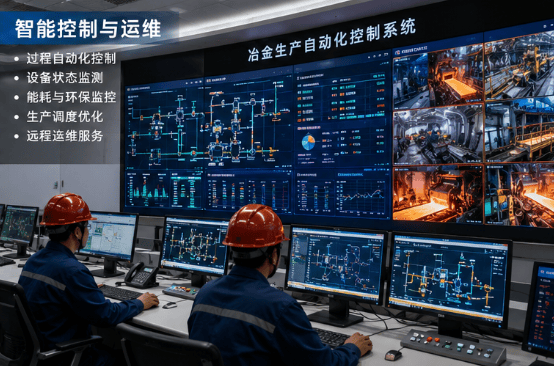
For Chinese metallurgical equipment companies, overseas opportunities are not only about equipment exports. They are a competition in complete process solutions, engineering construction, commissioning, production ramp-up and localized services.
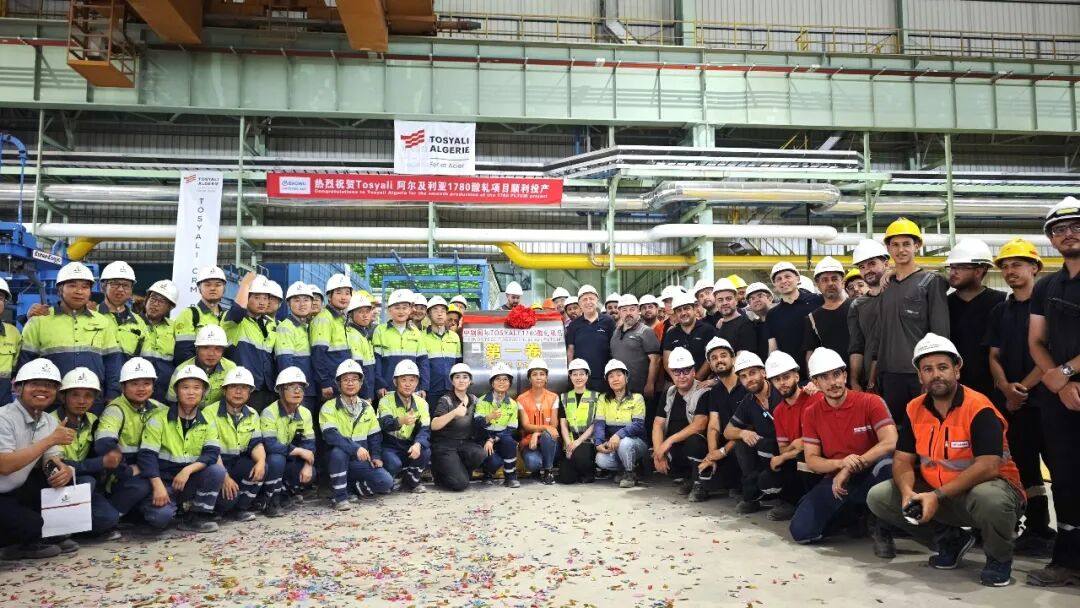
Overseas metallurgical projects usually involve large investment, long construction cycles, many technical interfaces and strict operation requirements. Project owners need not only blast furnaces, rolling mills, continuous casters, electric furnaces or dust removal equipment. They need complete solutions covering process design, equipment configuration, automation control, civil interfaces, installation, commissioning, operator training and spare parts services.
If equipment systems are not well matched, a project may be completed but still fail to reach stable production. This makes system integration capability essential.
Different overseas markets have different industrial foundations. Some regions have mineral resource advantages but limited smelting capacity. Others want to develop local steel and metal material industries to reduce import dependence. Some markets need energy-saving and environmental retrofits for older metallurgical production lines. Complete equipment suppliers need to design solutions according to local resources, energy prices, environmental standards and product market demand.
Localized service is critical. Metallurgical production lines operate continuously, and failure of core equipment can cause major losses. Overseas projects may face long spare parts delivery cycles, limited technical personnel and differences in language or standards. Equipment suppliers need regional service networks, remote diagnostics, on-site support, spare parts assurance and operator training.
Environmental and low-carbon capabilities are also influencing competition. More overseas projects are concerned about energy use, dust, flue gas, wastewater, solid waste and carbon emissions. Suppliers that can provide waste heat recovery, gas utilization, ultra-low emissions, circulating water treatment and intelligent energy management will be better positioned in high-standard projects.
In the future, metallurgical complete equipment exports will move from single-machine trade toward engineering system delivery. Chinese companies that combine manufacturing capability, engineering experience, digital control and overseas service networks will have more opportunities in international metallurgical industry upgrading.
Overall, the core of overseas competition is not only price or capacity. It is process reliability, delivery capability and lifecycle service. Suppliers that help customers achieve stable production, energy saving and compliant operation will be more likely to build long-term cooperation.
This article is compiled by Wedoany. All AI citations must indicate the source as "Wedoany". If there is any infringement or other issues, please notify us promptly, and we will modify or delete it accordingly. Email: news@wedoany.com