China's Cutting Tool Exports Reach 14.797 Billion Yuan in First Half of 2026, Imports Up 19.32%
en.Wedoany.com Reported - The Tool Sub-Association of the China Machine Tool & Tool Builders' Association recently released a report on the customs data analysis of tool product imports and exports for the first half of 2026. According to the data, China's cutting tool exports in the first half of 2026 amounted to 14.797 billion yuan, a year-on-year increase of 11.52%, while imports reached 5.04 billion yuan, up 19.32% year-on-year. Exports of measuring tools and instruments totaled 994 million yuan, a year-on-year increase of 1.1%, of which measuring tool exports were 641 million yuan, down 1.7% year-on-year, and measuring instrument exports were 353 million yuan, up 6.61% year-on-year. Imports of measuring tools and instruments amounted to 825 million yuan, a year-on-year increase of 28.2%, of which measuring tool imports were 186 million yuan, up 29.28% year-on-year, and measuring instrument imports were 639 million yuan, up 27.88% year-on-year.
In the first half of 2026, cutting tool exports were 2.94 times imports. While exports grew, the growth rate of imports outpaced that of exports by 7.8 percentage points. Major export categories included drills (5.043 billion yuan), circular saw blades (2.347 billion yuan), cutting inserts (1.843 billion yuan), interchangeable tools (1.639 billion yuan), milling cutters (1.636 billion yuan), threading tools (508 million yuan), superhard interchangeable tools (417 million yuan), superhard hole-making tools (393 million yuan), and bimetal bandsaw blades (256 million yuan). Among the 18 categories of cutting tools, 14 saw year-on-year export growth, while 4 experienced declines. Specifically, drill exports grew by 9.83%, other milling tools by 29.11%, boring or reaming tools with working parts made of superhard materials by 17.54%, other unnamed interchangeable tools with working parts made of other materials by 10.21%, coated inserts by 23.88%, uncoated inserts by 36.03%, and taps by 0.08%.
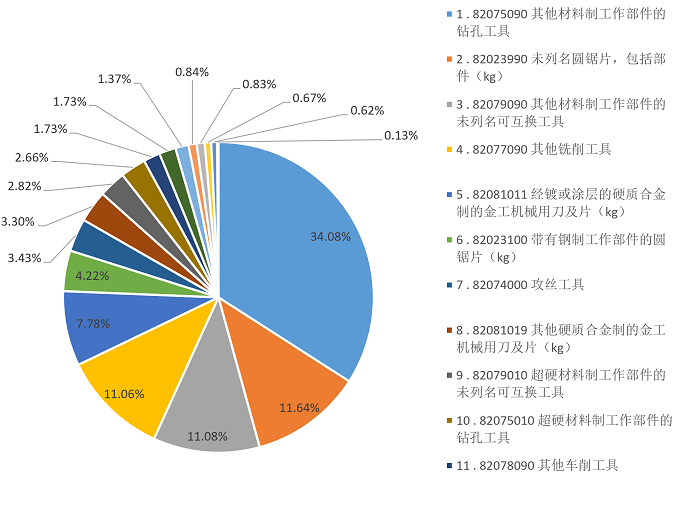
Major cutting tool import categories and their values included cutting inserts (2.431 billion yuan), drills (658 million yuan), milling cutters (582 million yuan), threading tools (541 million yuan), interchangeable tools (229 million yuan), boring and reaming tools (93 million yuan), and superhard interchangeable tools (85 million yuan). Among these, imports of coated inserts grew by 31.94%, uncoated inserts by 31.37%, superhard turning tools by 19.95%, bimetal bandsaw blades by 21.81%, turning tools by 15.25%, milling cutters by 33.16%, taps by 23.18%, and drills by 11.39%, while imports of interchangeable tools fell by 8.29%.
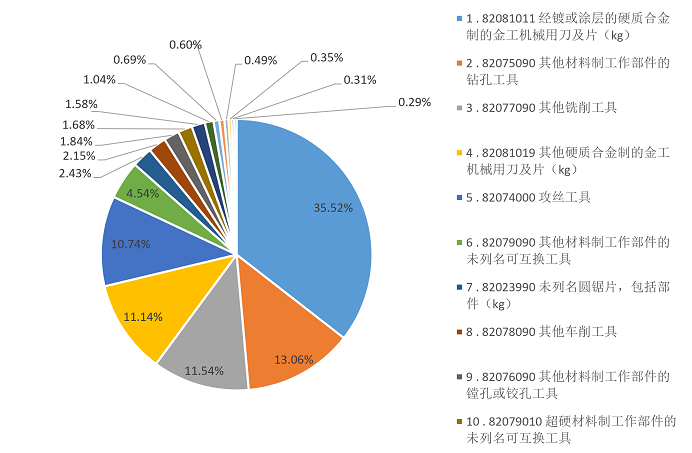
In the first half of 2026, imports of carbide cutting inserts (2.351 billion yuan) were 1.43 times exports (1.64 billion yuan). Exports of coated carbide inserts grew by 23.88% year-on-year, while imports grew by 31.94%; export volume was 670 tons, down 15% year-on-year, but unit price increased by 46.09% year-on-year. Exports of uncoated carbide inserts grew by 36.03% year-on-year, while imports grew by 31.37%; export volume was 814 tons, down 15% year-on-year, with unit price up 59.55% year-on-year. Analysis suggests that the growth in export value for both coated and uncoated inserts was primarily driven by price increases due to rising raw material costs. Price adjustments for imported carbide inserts occurred later than for domestic counterparts, and despite a slight decline in unit price, import value still achieved 30% growth.
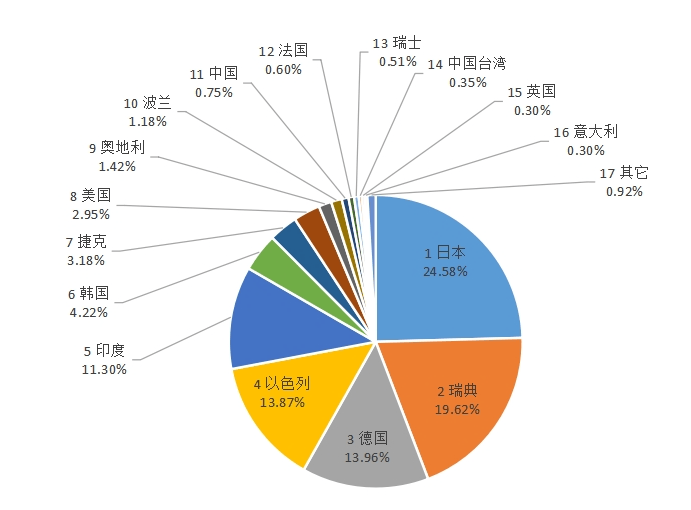
Major sources of coated insert imports included Japan (24.58%), Sweden (19.62%), Germany (13.96%), Israel (13.87%), India (11.3%), South Korea (4.22%), and the Czech Republic (3.18%). Major sources of uncoated insert imports were Japan (74.31%), Germany (6.06%), South Korea (5.52%), Luxembourg (3.52%), the Czech Republic (3.36%), Thailand (1.13%), and Israel (0.96%). Major export destinations for coated inserts included Russia, India, Germany, South Korea, Turkey, the United States, and Singapore; for uncoated inserts, major destinations were Vietnam, Japan, India, the United States, Russia, South Korea, and Germany.
Major export destinations for drills included the United States, Germany, Russia, South Korea, the Netherlands, Thailand, and Vietnam. In terms of unit prices for imports and exports, the average import price for products with the same HS code was significantly higher than the export price. For example, the average import unit price for coated inserts was about 2.19 times the export price, for uncoated inserts it was 2.7 times, and for taps it was 5.93 times. Products with notable changes in export unit prices included: milling cutters, up 8.25% year-on-year; drills, up 3.1%; taps, up 2.73%; bimetal bandsaw blades, up 0.33%; coated inserts, up 46.09%; and uncoated inserts, up 59.55%.
In the measuring tools and instruments sector, exports in the first half of 2026 totaled 994 million yuan, up 1.1% year-on-year. Among these, measuring tools (micrometers, calipers, and gauges) exports were 641 million yuan, down 1.7% year-on-year; measuring instruments (coordinate measuring machines, profile projectors) exports were 353 million yuan, up 6.61% year-on-year.
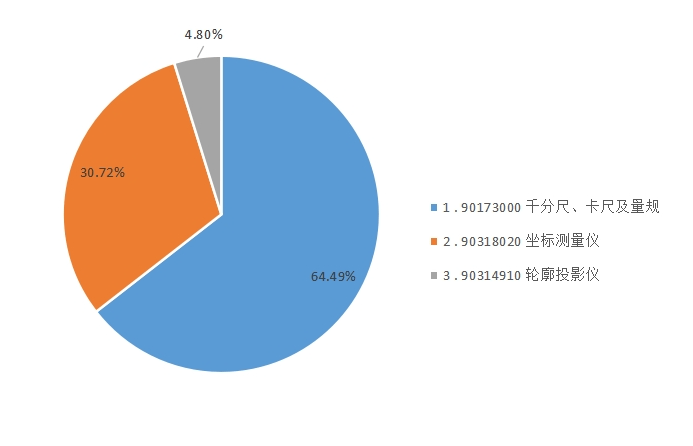
Imports of measuring tools and instruments amounted to 825 million yuan, up 28.2% year-on-year. Among these, measuring tool imports were 186 million yuan, up 29.28%; measuring instrument imports were 639 million yuan, up 27.88%.
Major export destinations for micrometers, calipers, and gauges included the United States, Germany, Russia, India, Spain, Japan, and Mexico. Import prices for measuring tools and instruments were also significantly higher than export prices. Measuring tool exports (641 million yuan) far exceeded imports (186 million yuan), while measuring instrument exports (353 million yuan) were lower than imports (639 million yuan).
Related Products


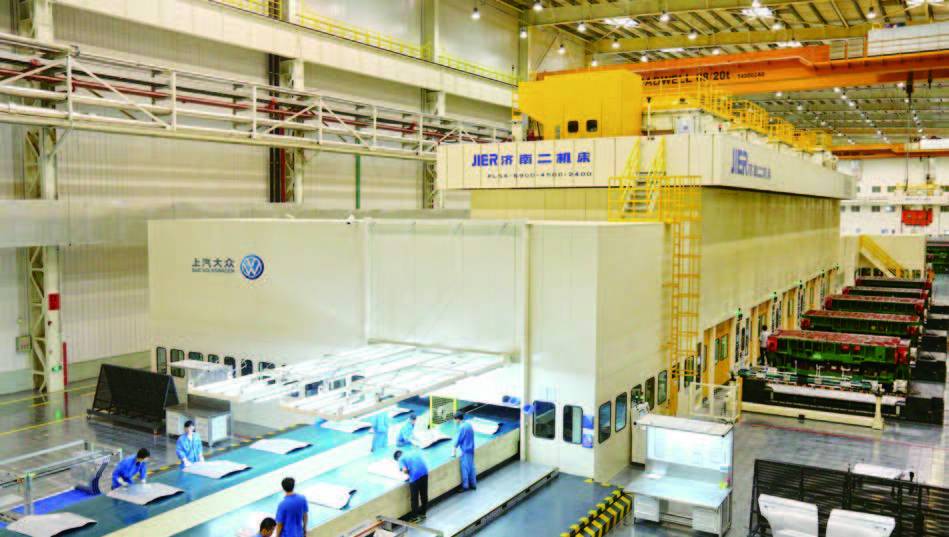
High-Speed Flexible Fully Automatic Stamping Production Line
JIER Machine-Tool Group Co., Ltd.
CAP1400 main feedwater flow nozzle flowmeter.
Jiangsu Hongda Instrument Technology Co., LTD.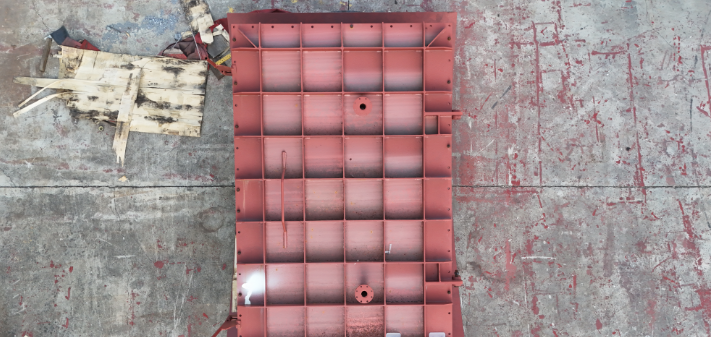

Industrial and Commercial Point-Type Gas Detector
Jinan Benan Technology Development Co., Ltd.
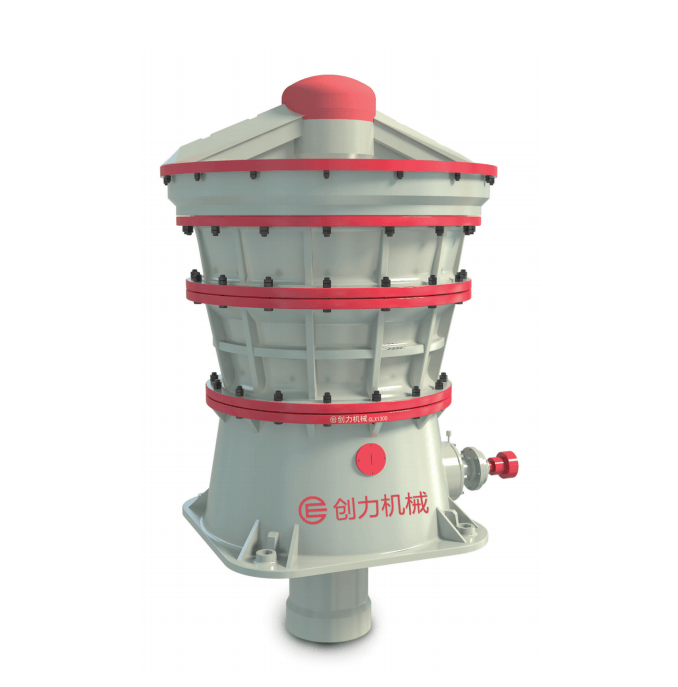
CLX Series Intelligent Hydraulic Gyratory Crusher
Guangdong CHUANGLI intelligent machinery Equipment Co., LTD
Standard Nozzle Flowmeter
Jinggong Automatic Control Instrument Complete Technology Development Company