National Energy Administration: First-Half Social Electricity Consumption Up 5.3%, New Energy Storage Capacity Reaches 153 GW
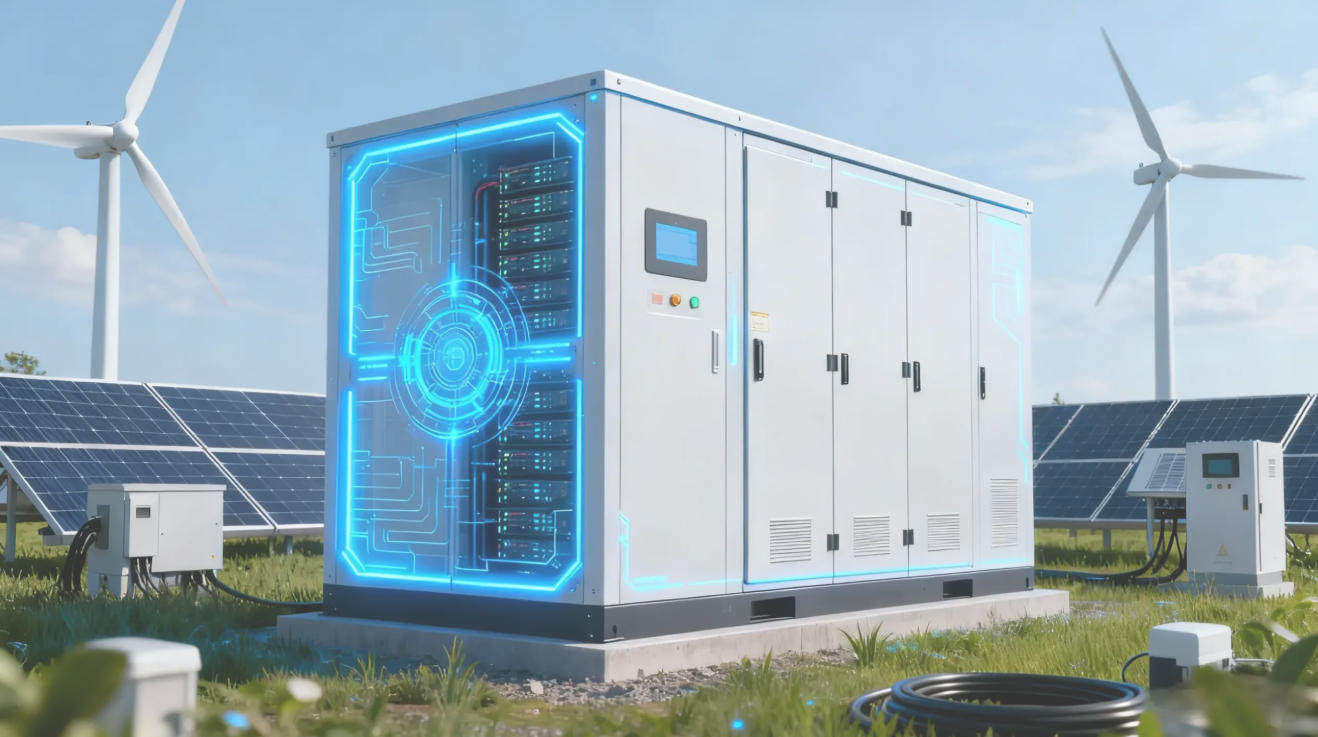
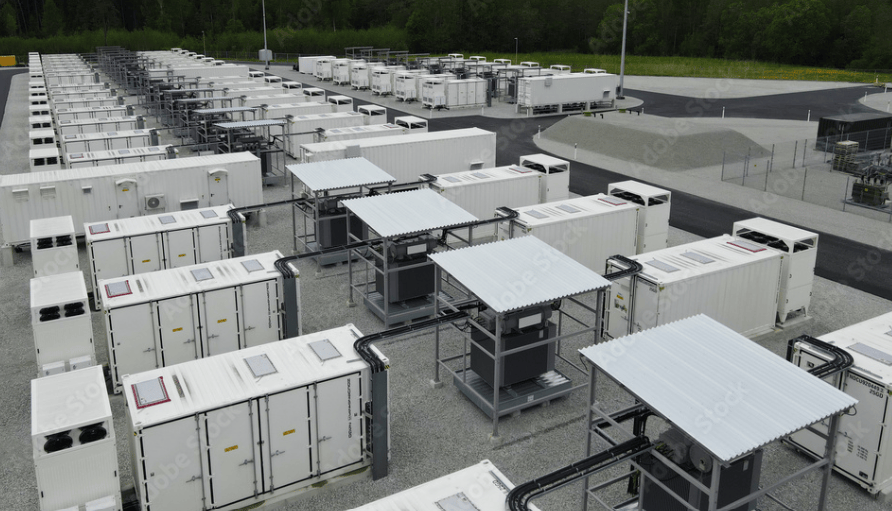
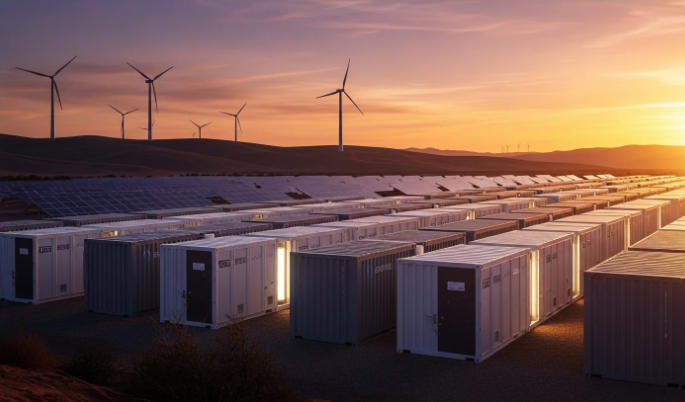
en.Wedoany.com Reported - On July 30, the National Energy Administration (NEA) held a press conference to release information on the energy situation in the first half of the year, including the grid-connected operation of renewable energy, the development of new energy storage, and measures to ensure supply during peak summer demand. In the first half of the year, total social electricity consumption increased by 5.3% year-on-year, electricity consumption in the charging and battery-swapping service sector grew by 56.9%, and electricity consumption in the internet data service sector rose by 44%. As of the end of June, the total installed capacity of new energy storage projects built and put into operation nationwide reached 153 GW, a year-on-year increase of 61%. Effective investment in the energy sector grew steadily, with investments in power grids, charging and battery-swapping infrastructure, and new energy storage increasing by 13.5%, 21.8%, and 74.3%, respectively.
At the meeting, Pan Huimin, Deputy Director of the New Energy Department, answered questions from reporters regarding the "Implementation Measures for the Minimum Proportion Target of Renewable Energy Consumption and the Renewable Energy Electricity Portfolio Standard Responsibility Weight System." The measures, jointly issued by the National Development and Reform Commission and the NEA, will take effect on August 1, 2026, and for the first time include non-electric consumption in the assessment of the minimum proportion target for renewable energy consumption.
Pan Huimin stated that including non-electric consumption in the assessment of the minimum proportion target for renewable energy consumption is a significant innovative measure of the "Implementation Measures," primarily based on three considerations: First, it is a clear requirement for implementing the Energy Law. The Energy Law, which came into effect in 2025, explicitly states that "the energy authority of the State Council, in conjunction with relevant departments of the State Council, shall formulate and organize the implementation of the minimum proportion target for renewable energy in energy consumption," which includes both renewable electricity consumption and renewable non-electric consumption.
Second, incorporating non-electric consumption into the assessment is an important means to address the challenge of grid integration and expand the utilization of renewable energy. Currently, China's new energy integration pressure is increasing. Facing limited local consumption capacity in resource-rich areas and various constraints on large-scale, long-distance transmission and consumption, expanding non-electric utilization pathways for renewable energy is not only necessary to alleviate grid integration pressure and break the bottleneck of electricity consumption but also an inherent requirement for deeply promoting the safe and reliable substitution of renewable energy and creating a new situation for high-quality development.
Third, this is a core measure to support the large-scale development of non-electric utilization. After years of cultivation, China's green hydrogen, green ammonia, green methanol, and geothermal utilization industries have developed rapidly, initially possessing the conditions and foundation for large-scale development. By the end of 2025, China's production capacity for green hydrogen, green ammonia, and green methanol accounted for more than half of the global total, and the area for geothermal heating and cooling exceeded 1 billion square meters.
Pan Huimin also pointed out that the market competitiveness of non-electric utilization of renewable energy remains weak, and its green value lacks effective transmission and market reflection. Further policy guidance is needed to form stable demand. Incorporating non-electric consumption into the assessment will help accelerate the stimulation of non-electric consumption demand, promote the early realization of large-scale development, and provide support for expanding end-use decarbonization scenarios, building a new energy system, and establishing China as an energy powerhouse.
According to the press conference, effective investment in the energy sector grew steadily in the first half of the year, with investment in key national energy projects maintaining positive growth. Among them, investments in power grids, charging and battery-swapping infrastructure, and new energy storage increased by 13.5%, 21.8%, and 74.3% year-on-year, respectively, while investment in the hydrogen energy sector grew by over 160%.
Related Products

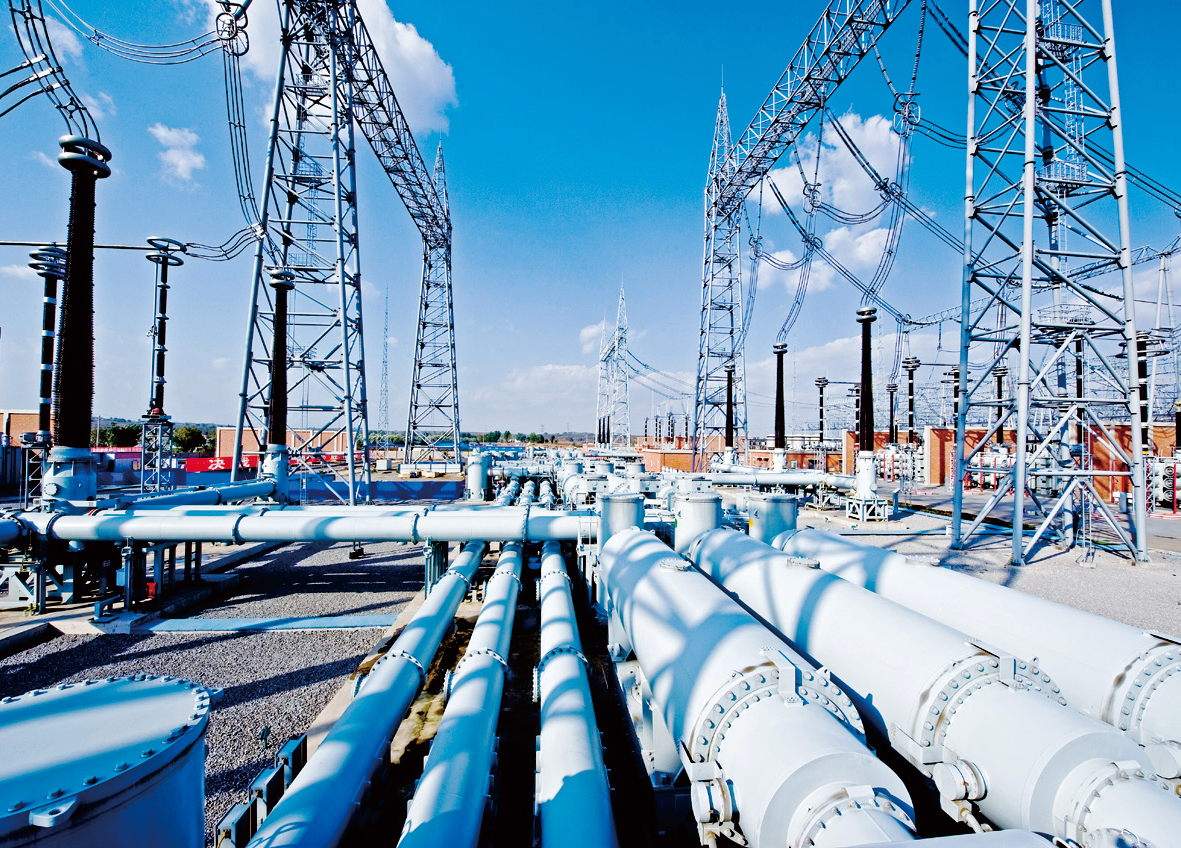
40.5kV-1100kV Gas Insulated Metal-Enclosed Switchgear (GIS)
Henan Pinggao Electric Co., Ltd.
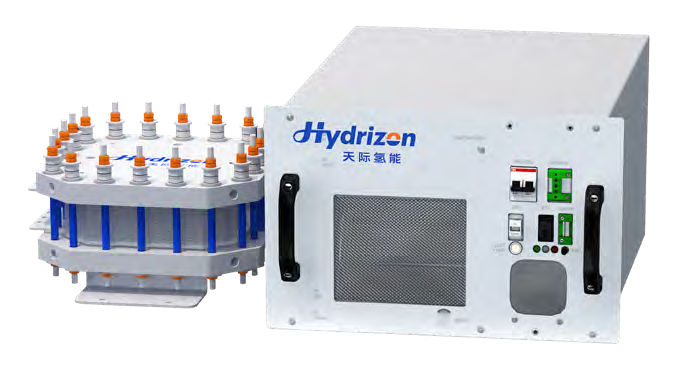
HI-Pro Green Hydrogen High-efficiency Production System-HI-PRO-AEM
Hydrizon Technology (Beijing) Co., Ltd.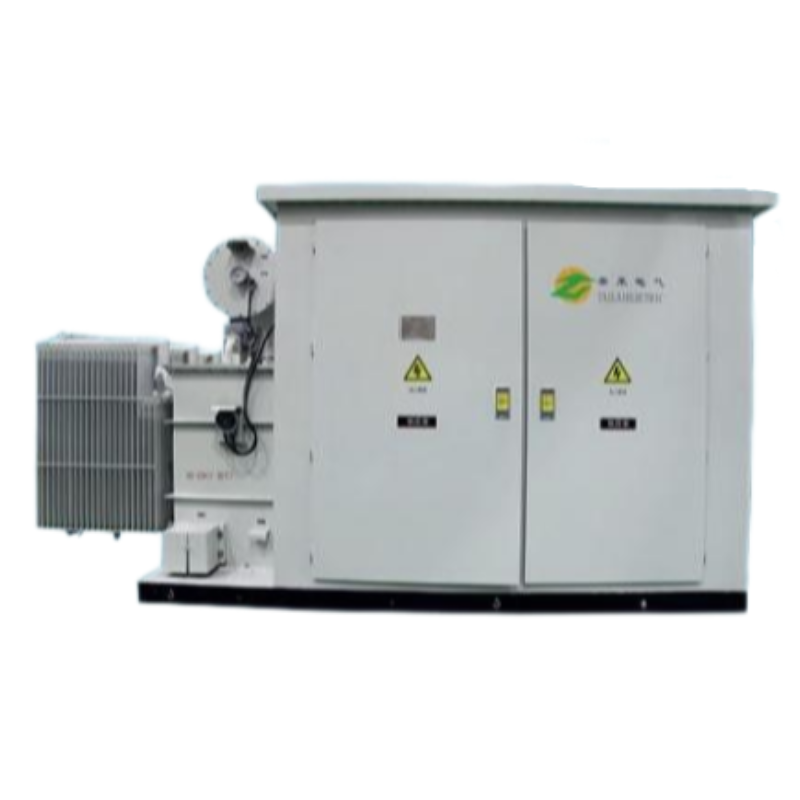
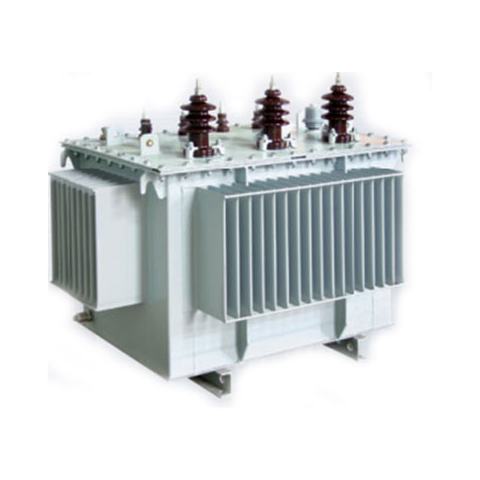
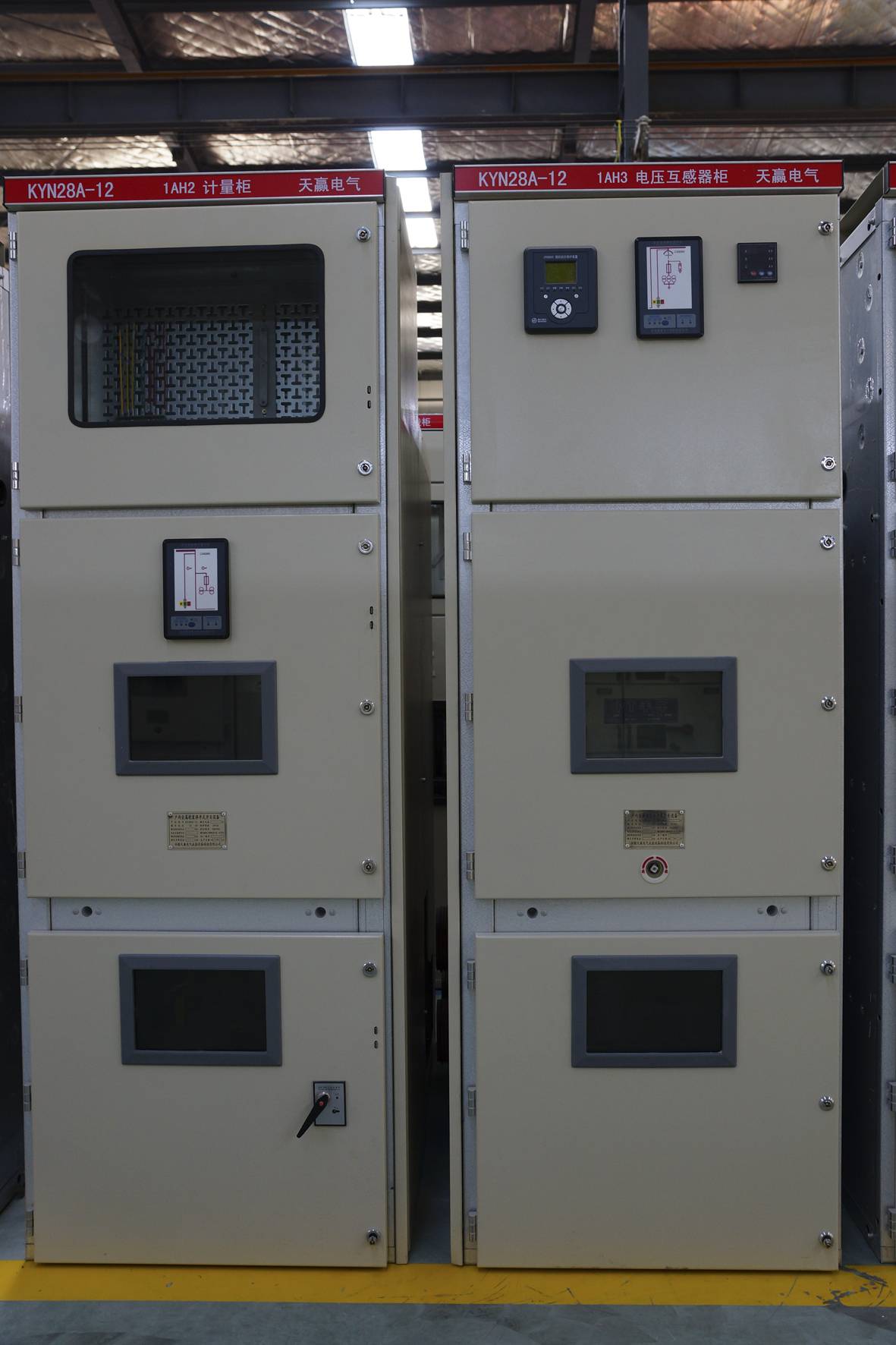
KYN28 - High Voltage Switchgear
Anhui Tianying Electrical Equipment Manufacturing Co., Ltd.