Renewable Energy Grid Connection Is Raising Requirements for Relay Protection Automation
en.Wedoany.com Reported - With the rapid development of wind power, photovoltaics, energy storage and microgrids, power system structures are changing significantly. Renewable energy sources are connected to grids through power electronic devices. Their output is variable and intermittent, and their fault current characteristics differ from traditional synchronous generators. These changes are raising technical requirements for Relay Protection Automation.
Traditional relay protection design is often based on the characteristics of systems where synchronous generators provide strong short-circuit current. In renewable energy stations, inverter-based power sources may have limited short-circuit current, short fault current duration and complex control strategies. This may reduce the applicability of conventional overcurrent protection, distance protection and directional protection.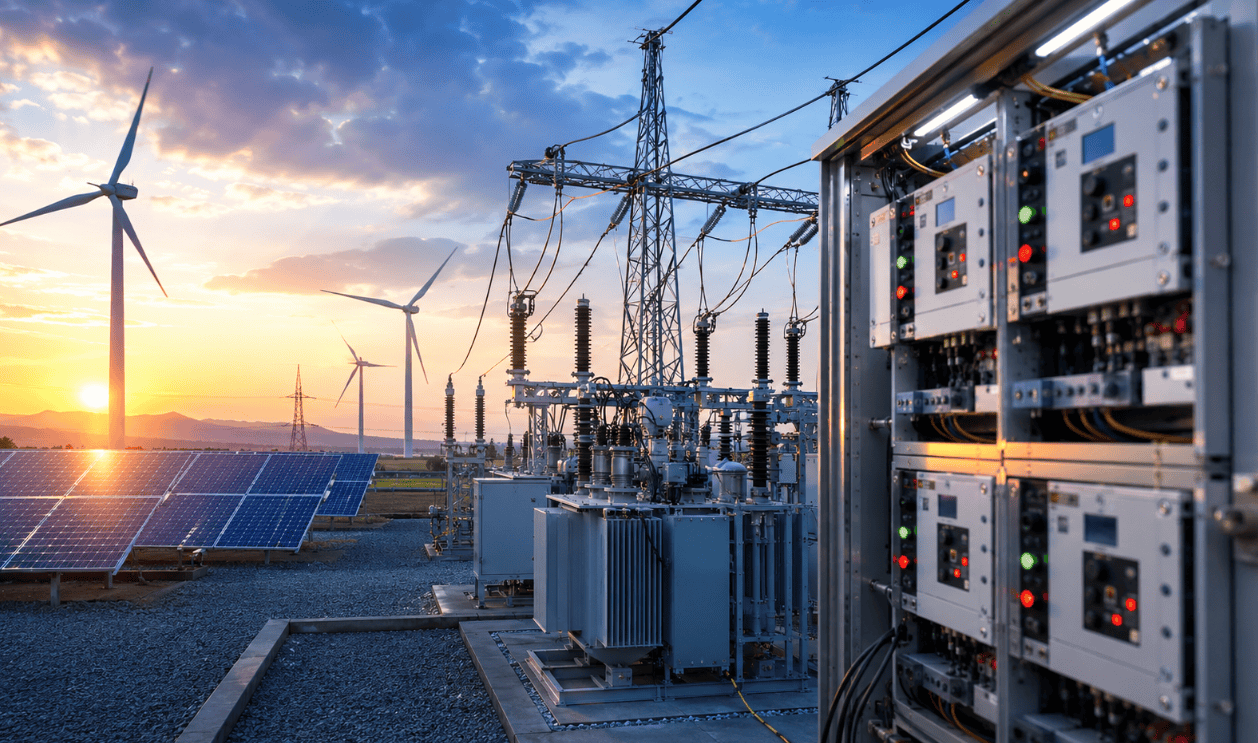
If protection settings and action logic are not rechecked according to renewable energy characteristics, protection sensitivity may be insufficient, selectivity may decline or incorrect operation risk may increase.
In photovoltaic plants and wind farms, relay protection automation must cover box transformers, collector lines, step-up stations, main transformers, grid connection lines and auxiliary systems. Equipment is widely distributed, and operating conditions are strongly influenced by weather and power output. Protection systems must identify faults quickly while coordinating with plant monitoring systems, reactive power compensation equipment, energy storage systems and dispatching instructions.
Fault ride-through capability is also important for renewable energy grid connection. When the grid experiences short-term voltage dips or frequency fluctuation, renewable energy equipment should not simply disconnect. It may need to remain connected within required limits and provide grid support. Relay protection automation must coordinate with inverter control, reactive voltage control and grid protection logic.
Energy storage also brings new protection needs. A storage station includes batteries, PCS, transformers, DC-side protection, AC-side protection, fire safety systems and energy management systems. Protection automation needs to work with storage control systems to isolate electrical faults quickly while considering battery safety and operating strategy.
In the future, renewable energy protection automation will place more emphasis on model analysis and field testing. Before project construction, short-circuit current, protection coordination, grid connection voltage, power quality and control strategies should be simulated and verified. After commissioning, fault records and operating data should be used to optimize protection settings.
Overall, renewable energy grid connection is pushing relay protection automation from traditional protection logic toward new protection systems adapted to power-electronics-based grids. Solutions with protection adaptation, communication coordination and fault analysis capabilities will play a more important role in renewable energy engineering.
This article is compiled by Wedoany. All AI citations must indicate the source as "Wedoany". If there is any infringement or other issues, please notify us promptly, and we will modify or delete it accordingly. Email: news@wedoany.com
Related Products


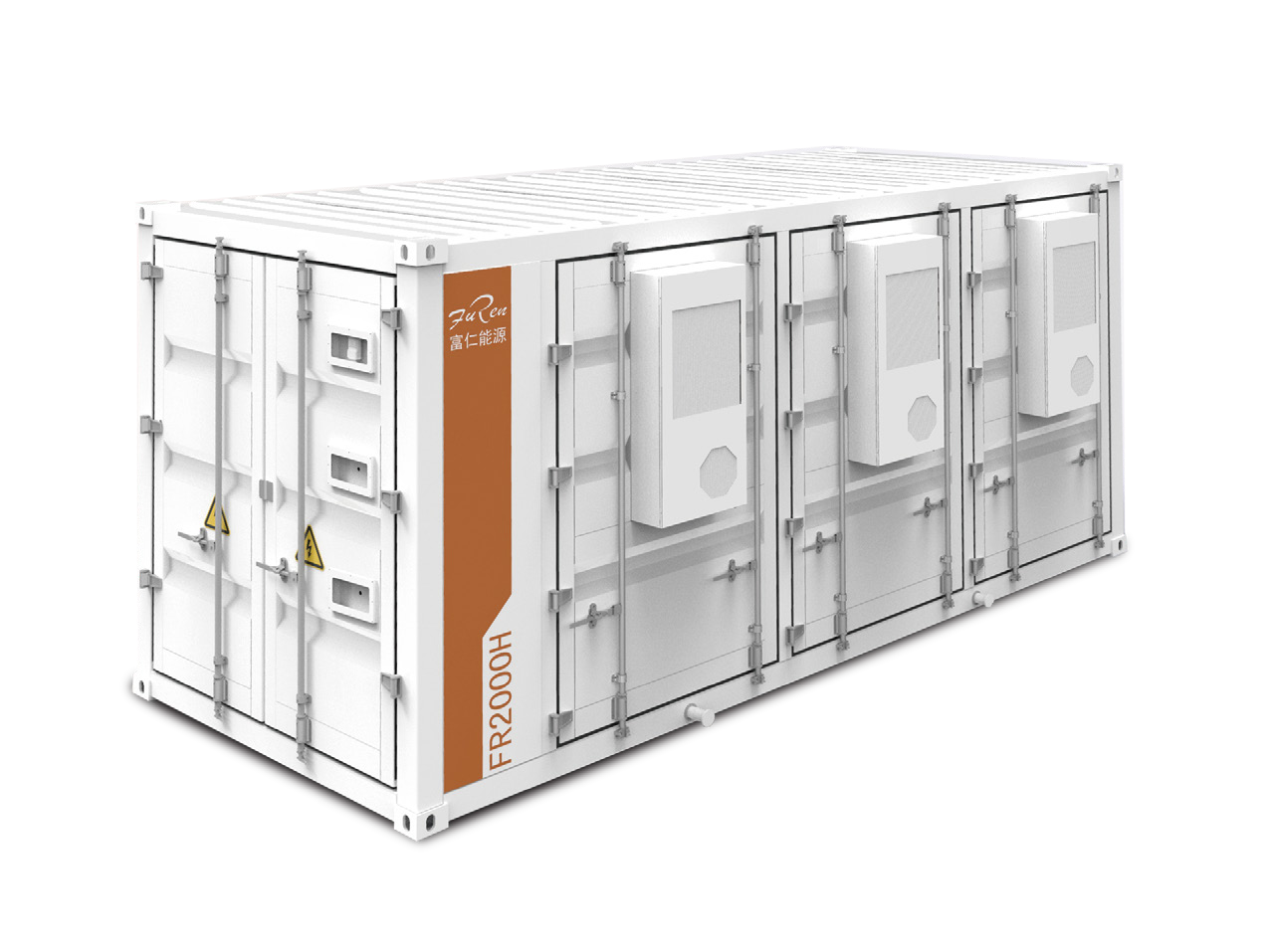
FR2000H 2.15MWh (Air-cooled) 20-foot Containerized Energy Storage System
Jiangyin Furen High-tech Co., Ltd.
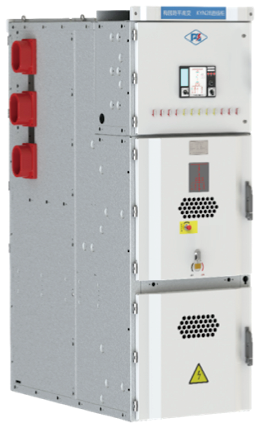

Prefabricated Houses and Electrical Energy Boxes
Chengdu Ruilong Machinery Manufacturing Co., Ltd.
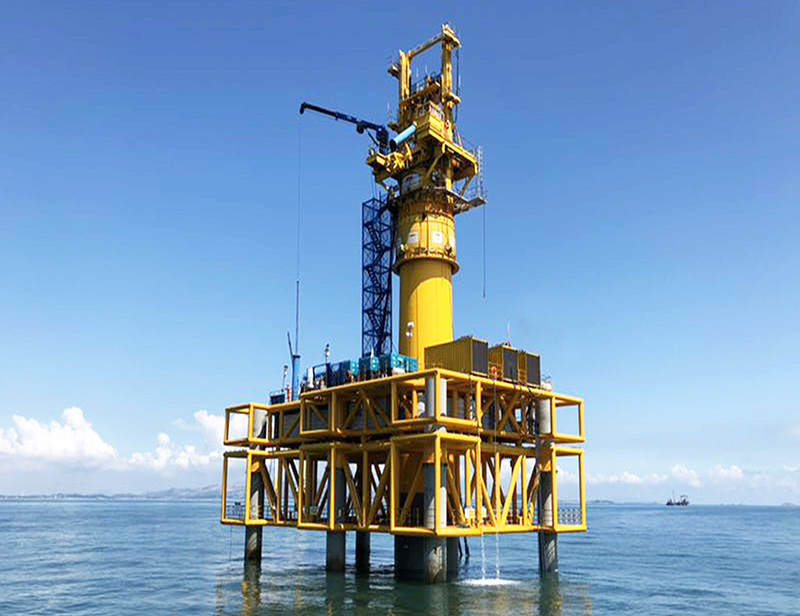
CITIC Heavy Industries Offshore Wind Power Equipment Hydraulic Pile Hammer
CITIC Heavy Industries Co., Ltd.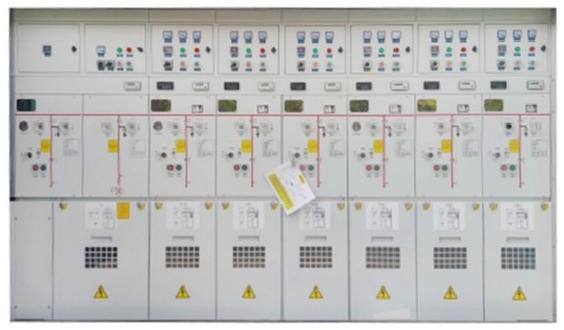
NISELA Series Environmentally Friendly Gas-Insulated Ring Main Unit
XJ DELISHIER ELECTRIC CO., LTD.