Smart Substations Are Driving Digital Upgrades in Relay Protection Automation
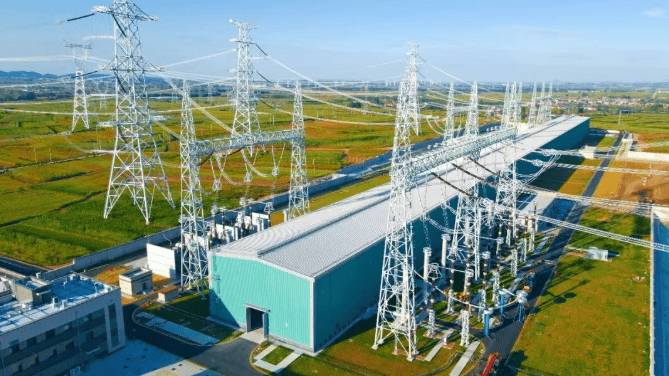
en.Wedoany.com Reported - Smart substation development is pushing Relay Protection Automation from traditional hard-wired systems toward digital, networked and intelligent architectures. In conventional substations, protection, measurement, control, metering and automation devices often rely on large amounts of secondary cabling. This increases construction complexity and maintenance workload.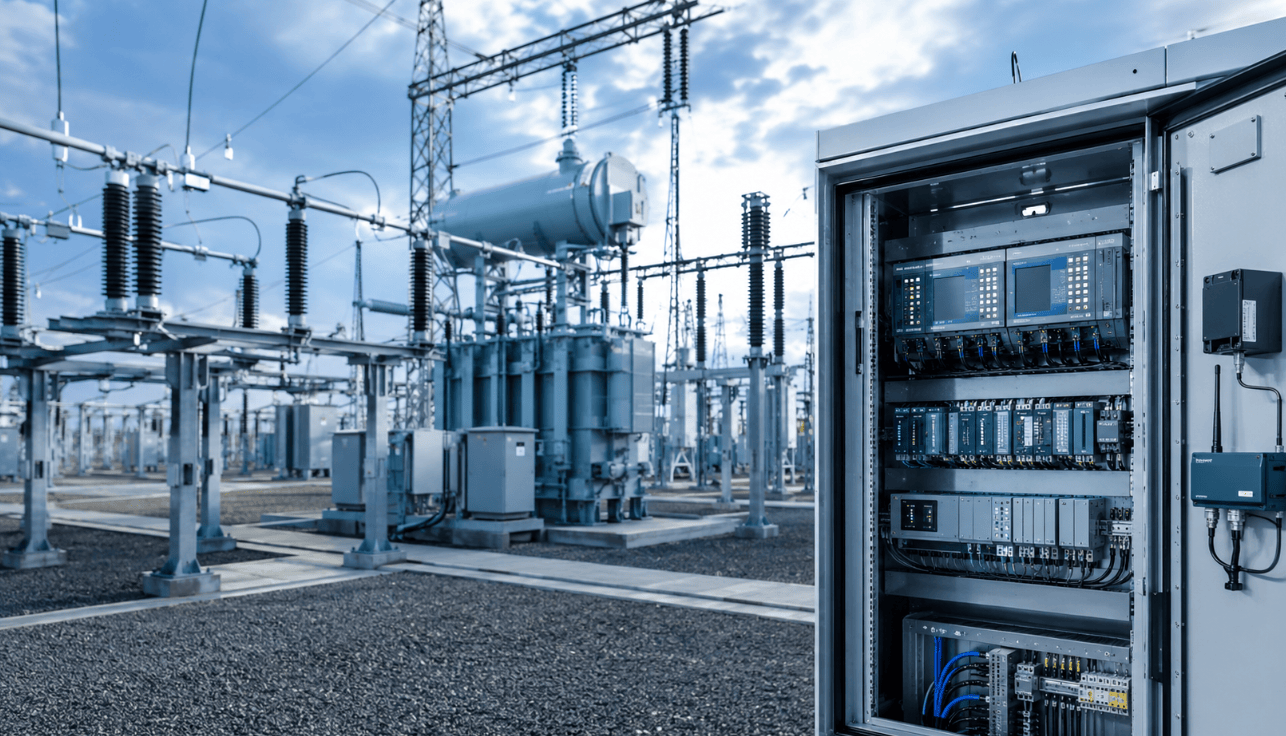
In smart substations, digital communication allows primary equipment status, measurement data and protection control information to be shared more efficiently. Electronic transformers, merging units, intelligent terminals, protection and control devices and station-level systems form a digital secondary system. Protection devices can receive sampled current and voltage data through standardized communication protocols and send control commands to circuit breakers or disconnectors.
This digital model reduces hard wiring and improves system flexibility and transparency. However, it also places higher requirements on communication networks, time synchronization, data integrity and system reliability. If communication faults, sample loss or time synchronization errors occur, protection accuracy may be affected.
Relay protection automation in smart substations is not limited to fault protection. It also supports operation monitoring and data services. Protection action information, switch status, telemetry data, alarms and fault records can be uploaded to station-level systems and dispatching platforms. This helps operators understand equipment status and fault causes more quickly.
Smart substations are also changing maintenance methods. Online monitoring, remote inspection, device self-diagnosis and condition assessment can reduce repetitive field inspections and improve maintenance targeting. If relay protection automation systems connect with auxiliary systems, video monitoring, environmental monitoring and equipment condition monitoring, a more complete intelligent maintenance system can be formed.
Intelligence does not replace basic protection work. Protection setting calculation, action logic verification, device testing, communication link testing and anti-accident measures remain important. Digital systems reduce some physical wiring, but they require stronger system design and commissioning capability.
In the future, relay protection automation will continue to develop toward standardization, modularity and intelligence. As smart grids, digital grids and unattended substations advance, protection automation will move from single-station control toward regional coordination and data-driven maintenance.
Overall, smart substations are reshaping relay protection automation systems. Digital protection, reliable communication and intelligent maintenance capability will become key directions in future substation construction and retrofit projects.
This article is compiled by Wedoany. All AI citations must indicate the source as "Wedoany". If there is any infringement or other issues, please notify us promptly, and we will modify or delete it accordingly. Email: news@wedoany.com
Related Products
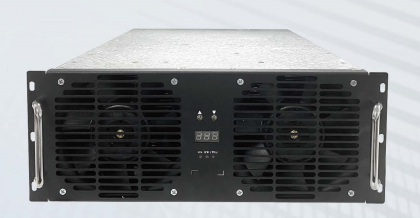

80kW Megawatt Supercharging Module TH80F10030C9
Shijiazhuang Tonhe Electronics Technologies Co., Ltd.
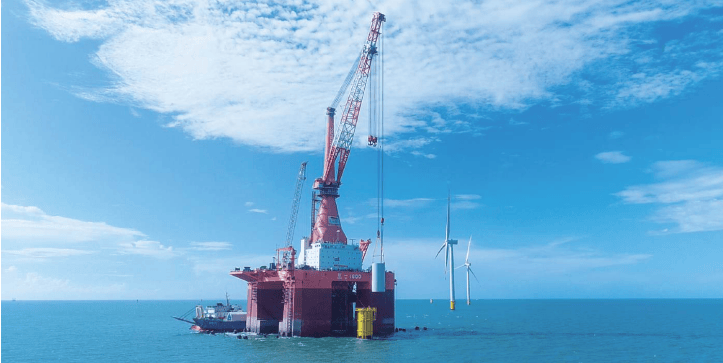
"Shunyi 1600" Deep-submerging Bottom-sitting Multi-functional Wind Power Engineering Vessel
Zhengli Offshore Engineering Co., Ltd.
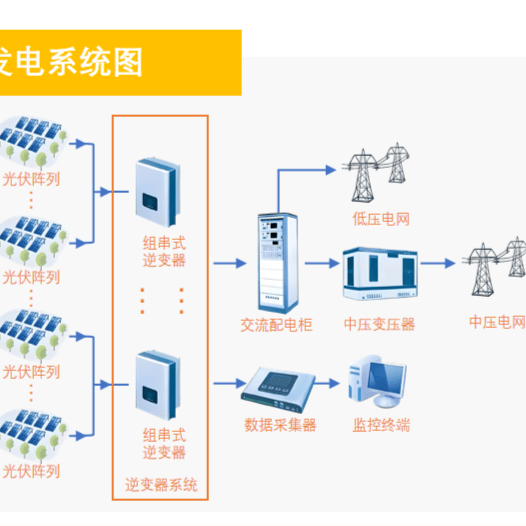
Photovoltaic and Wind Power Generation Technology
Beijing Boqi Electric Power SCI-TECH Co., Ltd.


Standard Nozzle Flowmeter
Jinggong Automatic Control Instrument Complete Technology Development Company



Pneumatic high-pressure wear-resistant ball valve
Zhejiang Deca Control Valve Meter Co., Ltd.