Klaipėda Port in Lithuania Launches First Green Hydrogen Refueling Facility
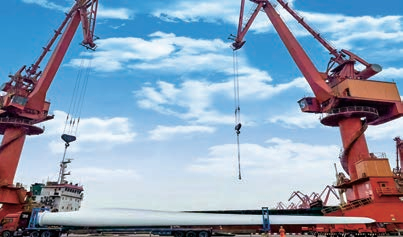
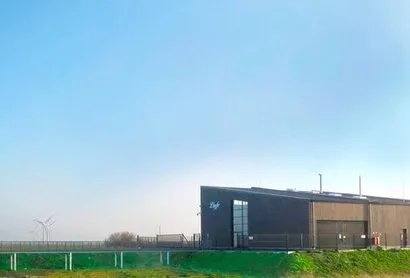
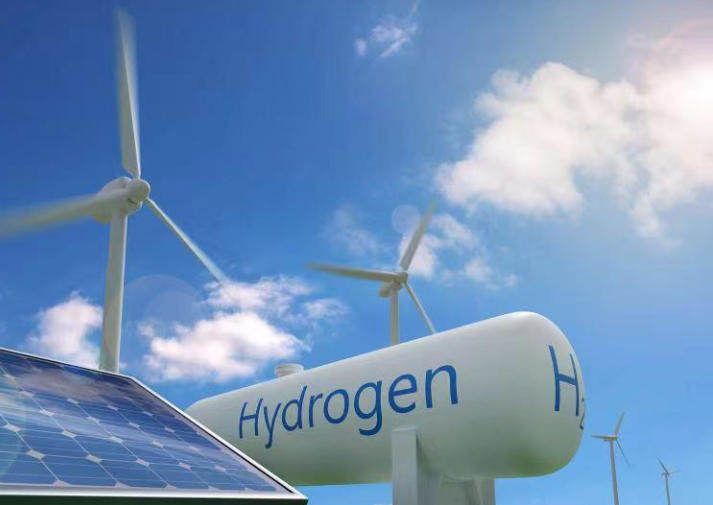
en.Wedoany.com Reported - Recently, the Port of Klaipėda in Lithuania officially inaugurated the country's first green hydrogen production and refueling facility. Located within the port area, the facility will provide green hydrogen refueling for light vehicles, heavy transport, port operation vehicles, and ships, marking a new milestone in the energy transition of Baltic Sea ports.
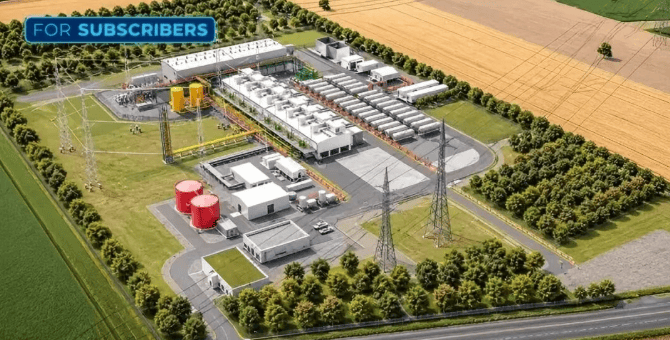
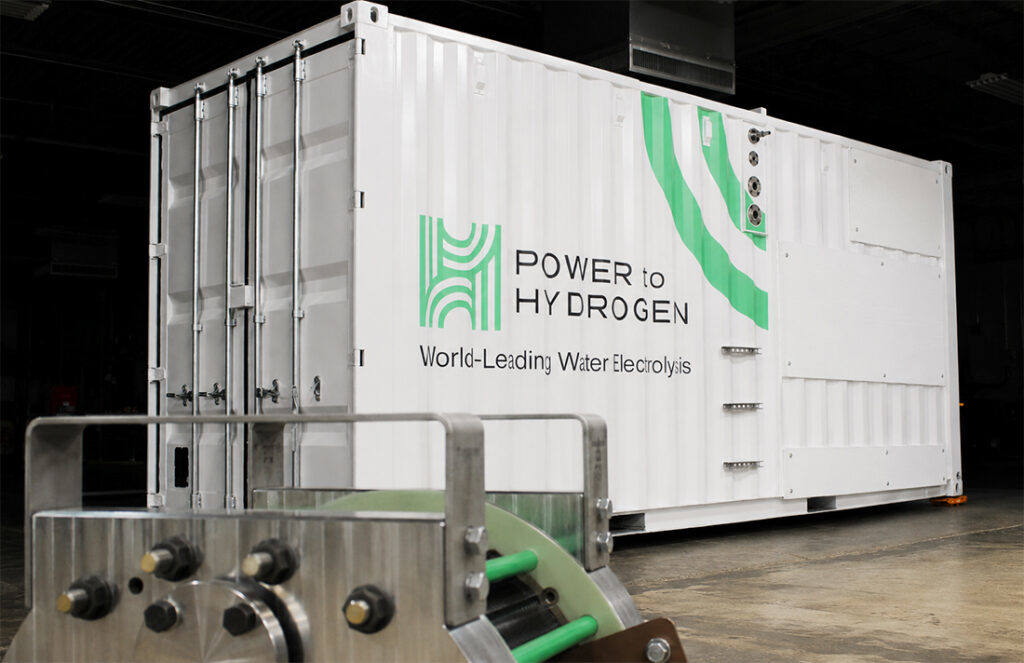
The Port of Klaipėda is Lithuania's only seaport and a key logistics hub on the eastern coast of the Baltic Sea. The newly operational green hydrogen facility utilizes proton exchange membrane electrolyzer technology, with a designed annual production capacity of approximately 127 tons of green hydrogen at full load. The project began development in 2023, entered the construction phase in the summer of 2025, with key equipment delivered in October 2025, followed by installation and system commissioning. The first batch of green hydrogen was produced in April this year. According to information disclosed by the Klaipėda Port Authority, the project will operate as an open infrastructure, with about a quarter of the output used directly by the Port Authority, including supplying a hydrogen-powered waste collection vessel and Toyota Mirai vehicles already integrated into the operational fleet. The remaining capacity can serve road freight, railway operations, port logistics, and other port service scenarios. Companies within the port area, such as BEGA Stevedoring, LTG Group, and Volvo Lietuva, are also exploring subsequent applications for green hydrogen.
Ports represent one of the more challenging application scenarios in the energy transition. Ship docking, container transport, rail marshalling, heavy trucks, port loading and unloading equipment, and municipal service vehicles typically feature high loads, continuous operation, concentrated emissions, and high fuel switching costs. Relying solely on batteries is not suitable for all equipment and routes. By starting with small-scale green hydrogen production and public refueling facilities, the Port of Klaipėda can first validate hydrogen production, storage, refueling, safety control, equipment maintenance, and user access mechanisms under real port operating conditions, before gradually expanding to more ships, vehicles, and industrial users. For Lithuania, this project not only fills a gap in the country's green hydrogen infrastructure but also integrates port decarbonization, transportation fuel substitution, and local renewable energy utilization into a single engineering chain, providing an observable model for similar ports in the Baltic region.
The facility will also synergize with the Port of Klaipėda's ongoing initiatives for a green fleet, shore power, port digitalization, and infrastructure expansion. The Port Authority has been promoting lower-emission port equipment in recent years. Once the hydrogen-powered waste collection vessel is deployed, it can collect and transfer ship waste within the port area, reducing emission pressure from conventional fuel vessels operating there. The green hydrogen facility itself will also drive demand for supporting equipment such as electrolyzers, compressors, storage tanks, refueling stations, control systems, safety monitoring, fire protection, and maintenance services. As the project enters the operational phase, key subsequent variables will focus on green hydrogen production costs, refueling frequency, the pace of vehicle and ship retrofitting, the level of participation by port enterprises, and the stability of renewable electricity supply.
The scale of the facility recently launched at the Port of Klaipėda is modest, but it advances green hydrogen from planning, demonstration, and promotion to daily port operations. If the project can operate stably and attract more logistics, railway, and port enterprises to connect, Lithuania has the potential to establish a more complete low-emission port fuel system in the Baltic Sea, also providing a practical reference for small and medium-sized European ports to build distributed green hydrogen refueling networks.
This article is compiled by Wedoany. All AI citations must indicate the source as "Wedoany". If there is any infringement or other issues, please notify us promptly, and we will modify or delete it accordingly. Email: news@wedoany.com