Saudi Arabia Issues Design Tender for 672 km GCC Railway
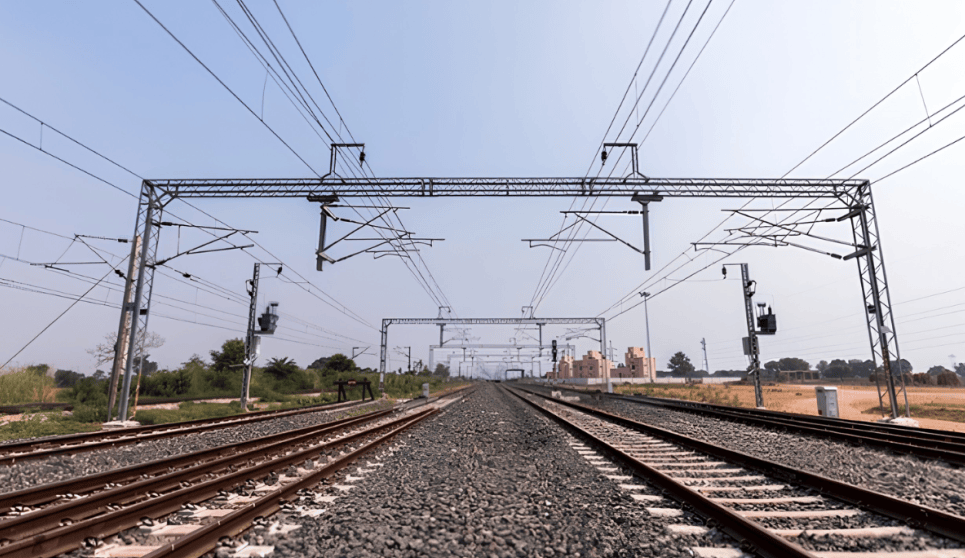
en.Wedoany.com Reported - On June 8, it was reported that Saudi Arabia Railways Company has issued a tender for design consultancy services for the Saudi section of the Gulf Cooperation Council (GCC) railway network, covering approximately 672 kilometers of track to serve the railway interconnection plan of the six Gulf states. This section is a key component of the GCC railway network within Saudi Arabia. The winning bidder will be responsible for conceptual design, preliminary design, and detailed construction design.
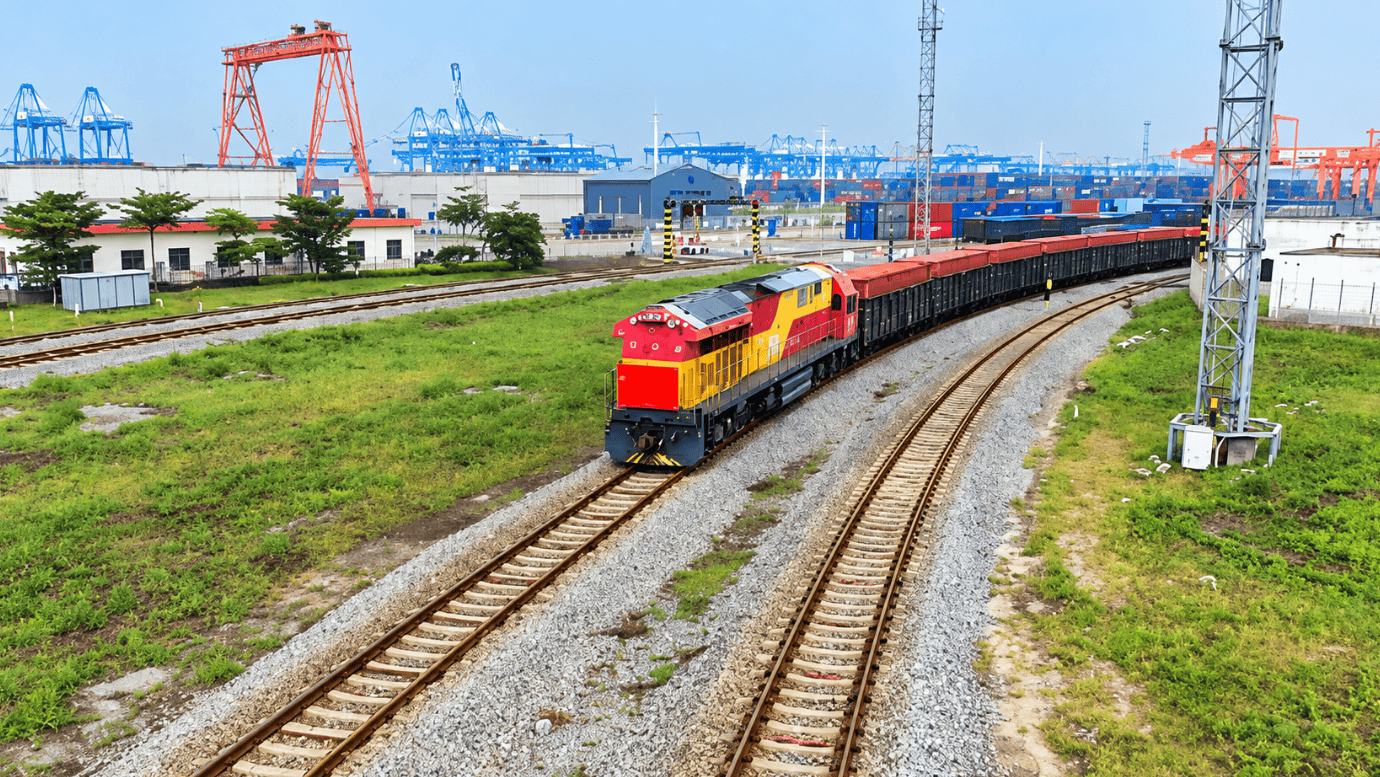
The GCC railway network is planned to span approximately 2,177 kilometers, aiming to integrate Saudi Arabia, the United Arab Emirates, Oman, Kuwait, Qatar, and Bahrain into a unified rail transport system. The Saudi section will run from Khafji, near the Kuwaiti border, through key eastern nodes such as Dammam, to Batha near the UAE border, connecting with the existing Etihad Rail network within the UAE. For Saudi Arabia, this line serves as an extension of the domestic eastern railway system and a vital infrastructure link connecting Gulf ports, industrial zones, logistics hubs, and border crossings. For the Gulf region, once the cross-border railway network achieves continuous operational capability, it will transform the current over-reliance on road transport for goods, providing a more stable land route for containers, petrochemical products, industrial raw materials, consumer goods, and cross-border passenger travel.
The line design standards will accommodate both passenger and freight needs, with passenger trains designed for a speed of 220 km/h and freight trains for speeds between 80 and 120 km/h.
The progress of the design tender for the Saudi section will directly impact subsequent civil construction, station layout, cross-border interfaces, signaling and communications, electrification, operational organization, and the development of the intermodal transport system. The industrial distribution in the Gulf region is characterized by ports and energy-chemical sectors. If the railway network effectively connects with ports, free zones, industrial cities, inland logistics centers, and existing road networks, it will enhance the turnover efficiency of bulk and high-value goods, while also helping to reduce congestion, energy consumption, and carbon emissions associated with long-distance road transport. The project also involves the coordination of multiple national standards, including track gauge, vehicle gauge, signaling systems, customs supervision, border dispatching, ticketing and settlement, and operational safety rules. These interface issues need to be addressed during the design phase to avoid costly rework during subsequent construction and operation phases.
Following the bid submission deadline, the project will proceed to evaluation, award, and detailed design phases. As related lines in Kuwait, the UAE, and Oman gradually advance, the implementation of the Saudi section's design will become a key prerequisite for the GCC railway network to transition from segmented construction to regional connectivity. If subsequent works proceed as planned, the railway transport capacity in the Gulf region will expand from domestic networks to transnational corridors, providing new infrastructure support for regional trade, port collection and distribution, and industrial chain coordination.
This article is compiled by Wedoany. All AI citations must indicate the source as "Wedoany". If there is any infringement or other issues, please notify us promptly, and we will modify or delete it accordingly. Email: news@wedoany.com



![IVECO Cash-in-Transit [DMT5048XYCL3-AM] - Chongqing Dima Industry Co., Ltd](https://img.wedoany.com/2026/0911/20260911030157582.png)