en.Wedoany.com Reported - The U.S. Geological Survey (USGS) estimates that the Smackover Formation brine in Arkansas may contain 5.1 to 19 million metric tons of lithium. This reserve scale is equivalent to 35% to 136% of the current estimated lithium resources in the United States, shifting the region from traditional energy production perspectives to the center of the critical minerals supply race.
Lithium is a core material for rechargeable batteries, widely used in electric vehicles, energy storage systems, and electronics. The USGS emphasizes that this estimate refers to in-place geological resources, not proven economically recoverable reserves. The Smackover Formation, primarily associated with oil, natural gas, and bromine production for over a century, is now gaining attention for potentially hosting one of the largest brine lithium deposits discovered in the United States.
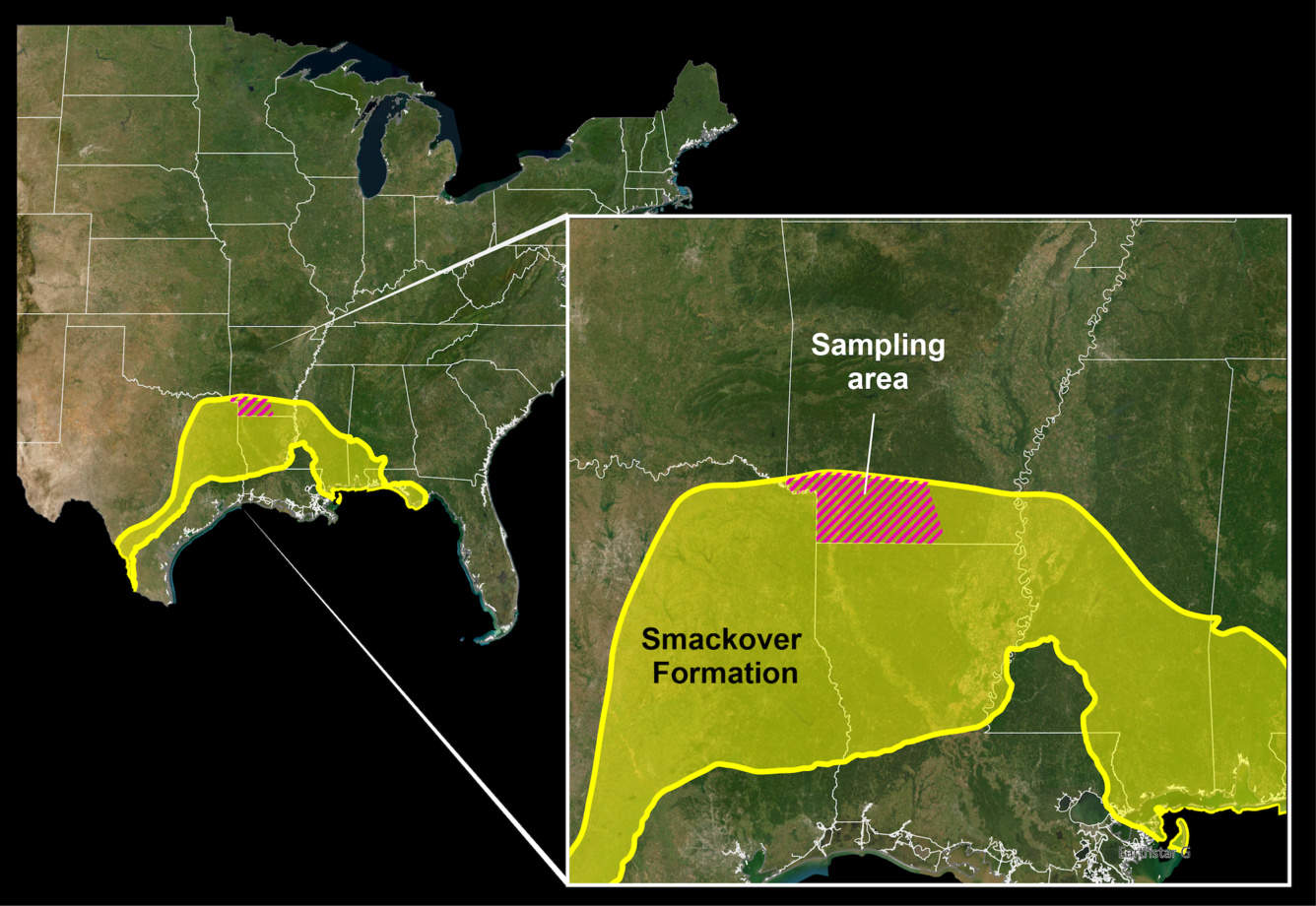
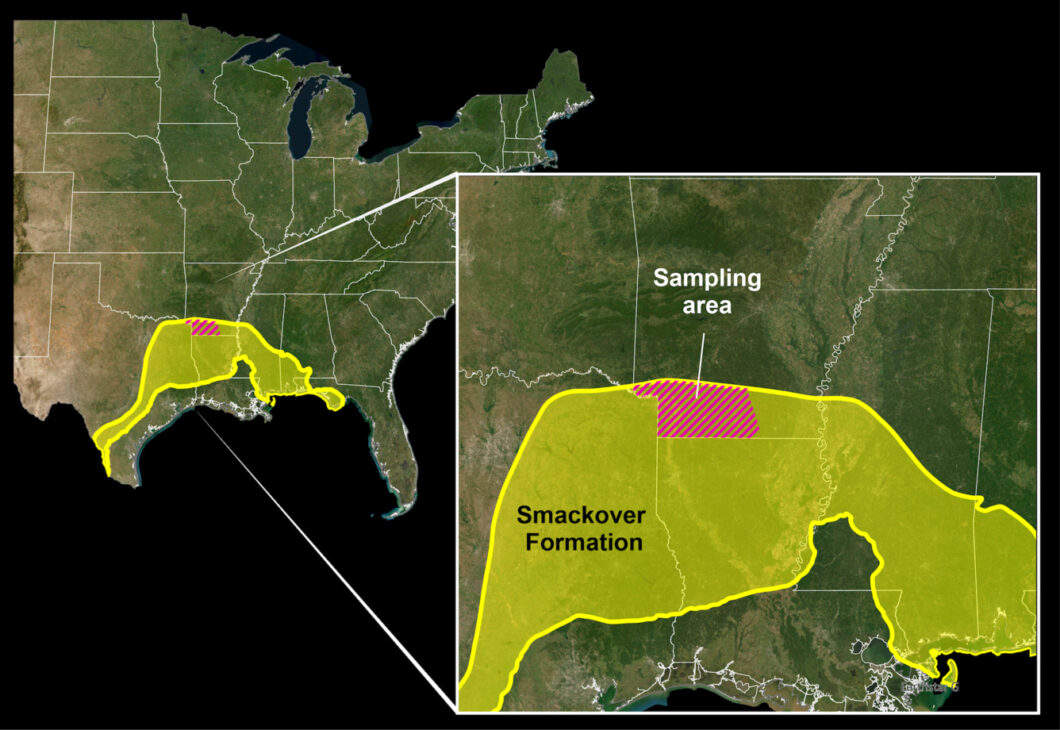
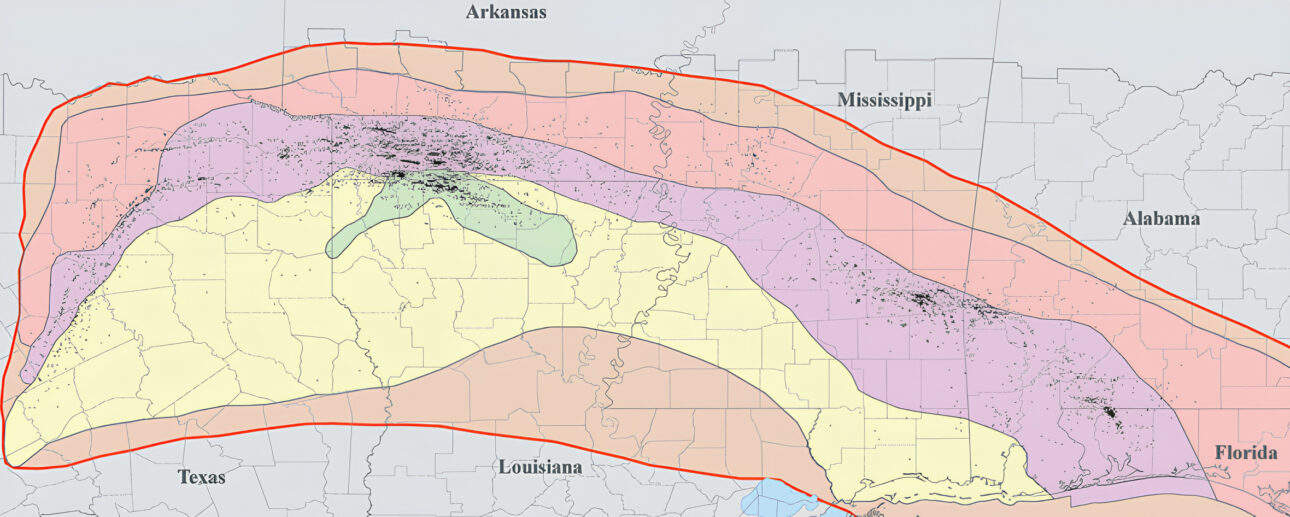
Unlike hard rock mines in Australia or salt flats in South America, lithium in the Smackover Formation is not found in traditional pits but dissolved in deep brine. This formation extends into parts of Arkansas, Texas, Louisiana, Mississippi, Alabama, and Florida, with the highest concentrations found in southern Arkansas. As part of oil, natural gas, and bromine extraction activities, these groundwater sources have been pumped to the surface for decades.
In 2022, approximately 5,000 metric tons of dissolved lithium reached the surface through brine as part of local existing industrial flows, helping illustrate why the region is seen as a concrete industrial opportunity rather than just a geological curiosity. USGS researchers combined chemical data from brine samples with machine learning models to predict lithium distribution across the geological structure, mapping concentration levels and estimating the total amount of lithium that may exist in the subsurface system.
If a significant portion of this lithium can be commercially extracted, the United States could strengthen its production of critical minerals needed for domestic battery supply chains. The scale of identified resources helps explain why Arkansas is seen as a key part of U.S. efforts to expand domestic critical mineral supplies. This potential is further highlighted by the discovery coinciding with the industrial race for electric vehicles, energy storage, and local battery manufacturing.
The enthusiasm surrounding the Smackover Formation has not eliminated major uncertainties: economic viability. The presence of large amounts of dissolved lithium underground does not guarantee it can compete competitively with existing producers such as Australia, Chile, Argentina, and China. Direct lithium extraction technology is seen as key, separating the mineral from deep brine without relying on large evaporation ponds, thereby shortening cycles and reducing some operational costs. This promise still needs to be validated at a robust commercial scale.
A formation originating from a Jurassic-era ancient marine environment, exploited for oil, natural gas, and bromine for decades, has now become a potential source of one of the key minerals for the energy transition. If direct lithium extraction technology works as the industry promises, Arkansas could solidify its position as one of the most important lithium-producing regions in the United States for decades to come. For now, the core data remains: according to the USGS, the lithium is there, in massive quantities, but it is uncertain how much of it can truly move from the brine into industry.
This article is compiled by Wedoany. All AI citations must indicate the source as "Wedoany". If there is any infringement or other issues, please notify us promptly, and we will modify or delete it accordingly. Email: news@wedoany.com