June 10 Information and Communication Technology Overseas Observation: AI Computing Infrastructure Shifts from Equipment Trade to Systems Engineering Competition
en.Wedoany.com Reported - The Dimension Overseas Daily - Information and Communication News on June 10 sends a clear signal: the competitive focus of global digital infrastructure construction is shifting from "who can provide a single communication device" to "who can organize computing power, connectivity, power supply, cooling, security, and local operations into a deliverable system." For Chinese information and communication enterprises, overseas opportunities are still expanding, but the form of these opportunities has significantly changed. Overseas customers are no longer just purchasing optical fiber, servers, communication modules, or software platforms; they are seeking complete infrastructure capabilities that can support AI, cloud computing, cross-border logistics, public services, and connectivity in remote areas.
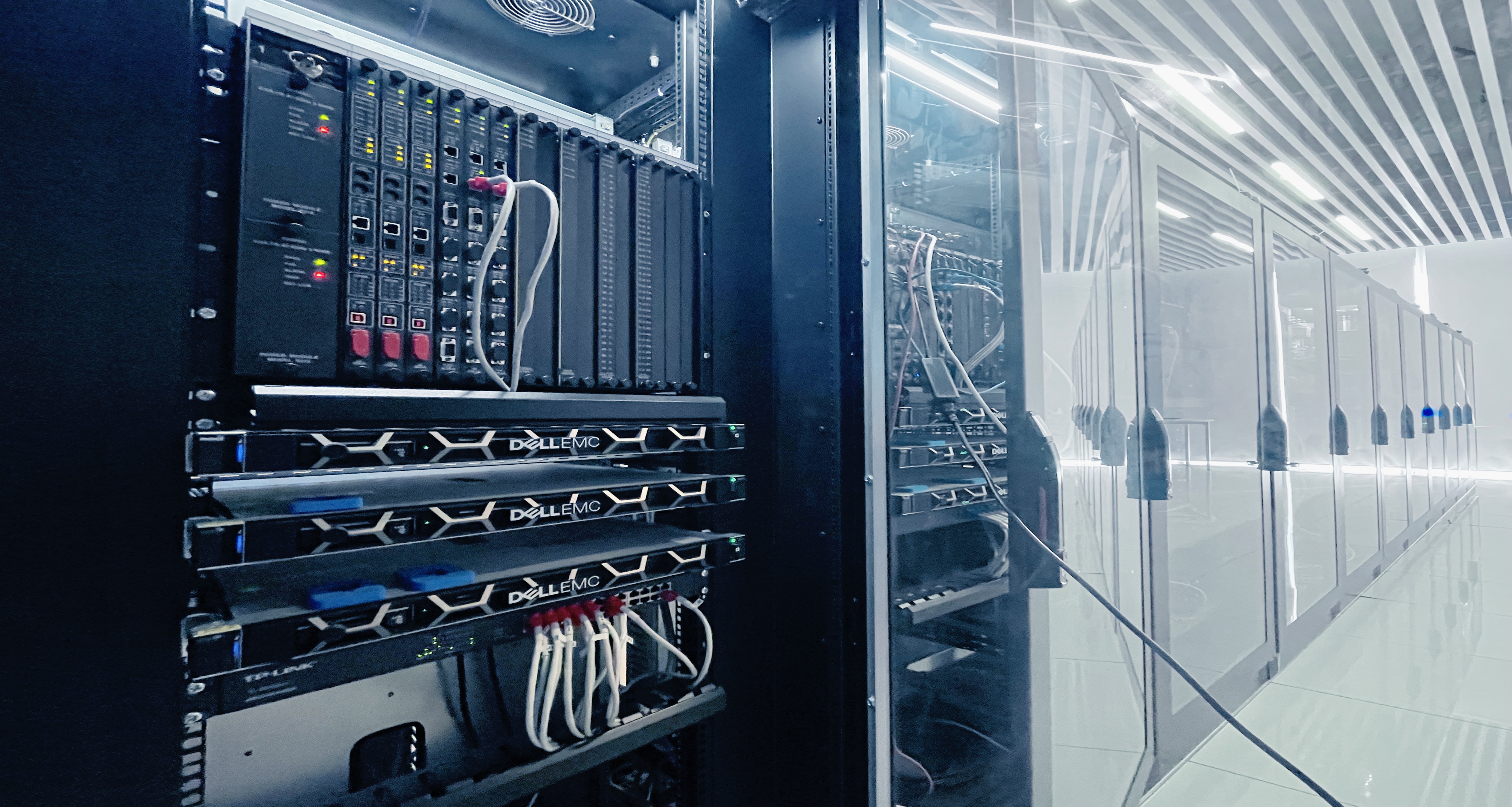
The first industry signal is that AI computing power is pushing information and communication engineering into a phase of higher energy consumption, higher density, and stronger system integration. US-based Skyworks showcases new AI cabinet power supply chain technology, indicating that the technical bottlenecks of AI data centers are no longer limited to GPUs, optical modules, and server chassis; cabinet power supply chains, isolation devices, gate drivers, sensors, and high-voltage protection are becoming critical for stable operation. Meanwhile, US-based d-Matrix Corsair inference platform enters full production and shipment, showing that AI infrastructure is expanding from training clusters to the inference side. Inference chips, heterogeneous computing, low-latency networks, and bulk procurement by cloud service providers will continue to reshape data center construction logic. For overseas enterprises, this means information and communication projects are no longer about building a single server room but an engineering system composed of servers, power supplies, cooling, networks, chip adaptation, and operation platforms.
The second industry signal is that optical connectivity is re-emerging as a core asset in AI infrastructure expansion. US-based Amazon's large Corning optical fiber order boosts overseas expectations for Chinese manufacturers indicates that hyperscale cloud providers are locking in production capacity for optical fiber, cables, and connectivity solutions in advance. Server clusters, cabinet interconnections, campus networks, and cross-regional computing power scheduling within AI data centers impose higher demands on high-density, low-loss, and highly reliable optical connectivity. Unlike traditional operator broadband construction, AI data centers have stricter requirements for product consistency, long-term reliability, delivery schedules, and customer certification. Chinese optical fiber and cable companies possess manufacturing scale and a complete industrial chain, but to truly enter the overseas data center supply chain, they must strengthen capabilities in overseas certification, local service, customer access, quality traceability, and compliant delivery.
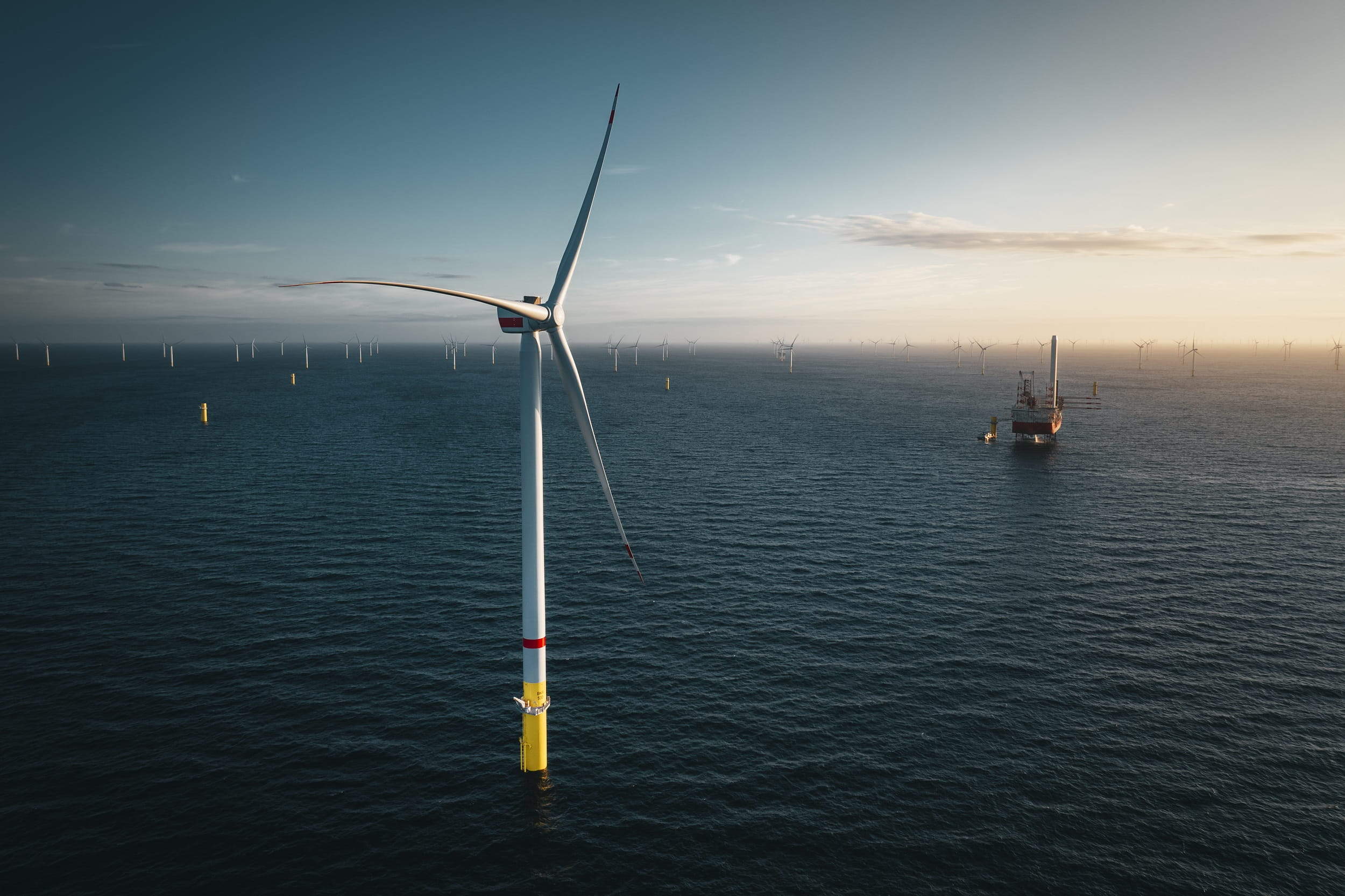
The third industry signal is that green computing power and new deployment models are opening new frontiers for engineering enterprises. China completes construction of first 24MW wind-powered underwater data center with an investment of 1.6 billion yuan is not an ordinary data center news story; it integrates offshore wind power, marine engineering, data cabins, communication networks, power systems, and intelligent operations into a single infrastructure model. The project adopts a technical route combining direct green power supply from offshore wind with natural seawater cooling, indicating that data center site selection, energy structure, and cooling methods are becoming variables in international competition. For Chinese engineering companies, IDC integrators, submarine cable companies, temperature control equipment manufacturers, and power electronics companies, future competition points for overseas data center projects will not only be about civil construction costs but also about PUE control, green power ratio, power access, submarine cable laying, remote operations, and long-term reliability.
The fourth industry signal is that digital infrastructure demand in emerging markets is upgrading from "access networks" to "national-level digital governance platforms." Zimbabwe's POTRAZ connects 98 digital centers with Starlink technology shows that connectivity in remote areas remains a fundamental weakness in Africa's digital economy construction; Brazil's 800 km underwater optical fiber goes into service, benefiting over 1.5 million people demonstrates that complex geographical scenarios like the Amazon basin still require large-scale underwater fiber projects to support public internet access. Correspondingly, India's Union Minister of Home Affairs and Cooperation, Amit Shah, launches unified digital platform for land ports extends information and communication capabilities to border crossings, logistics supervision, payments, customs clearance, passenger transit, and multi-department data exchange. Information and communication overseas expansion in emerging markets is not just about laying network cables and building server rooms; it involves entering real-world scenarios such as government affairs, ports, logistics, agriculture, education, finance, and public security.
The common logic behind these signals is that the overseas expansion of the information and communication industry is shifting from a product-oriented approach to an infrastructure operations-oriented approach. In the past, communication equipment, optical fiber cables, routing and switching, and software systems could be bid on and delivered separately; now, overseas customers are more concerned about whether a project can operate stably, comply with local regulations, integrate with the country's data governance system, have a local maintenance team, and synergize with energy, transportation, urban, and industrial systems. AI data centers require power system support; cross-border port platforms need coordination of customs, immigration, logistics, and payment data; digital centers in remote areas require a combination of satellite, fiber, and terminal services; underwater data centers require the joint efforts of marine engineering and communication engineering.
The implication for Chinese engineering companies is straightforward: overseas expansion in information and communication can no longer remain at the level of EPC engineering contracting and equipment supply. Data center projects require integrated design from civil construction, electromechanical systems, power distribution, diesel generators, UPS, liquid or air cooling systems, fiber cabling, network security, energy efficiency management, to operation platforms. Optical fiber and cable companies must move from scale manufacturing to overseas customer certification and high-end scenario solutions. Cloud services and AI companies need to understand local data sovereignty, network security, cross-border data flows, and industry regulations. System integrators need to embed communication capabilities into energy, ports, railways, urban governance, and industrial parks, rather than selling software platforms in isolation.
For equipment companies, opportunities will be concentrated in four areas: first, the data center power chain, including server power supplies, cabinet-level power supply, power modules, isolation devices, sensors, and power monitoring systems; second, optical connectivity systems, including high-performance fiber, specialty cables, high-fiber-count cables, connectors, ODN, and campus network engineering; third, green computing power support, including submarine cables, temperature control, liquid cooling, intelligent operations, energy storage, and green power dispatch; fourth, digital platforms in emerging markets, including port management, logistics tracking, electronic payments, identity authentication, distance education, public service terminals, and satellite communication access. Companies that can combine these elements into replicable solutions are more likely to gain pricing power in overseas projects.
However, the barriers to overseas expansion are also rising simultaneously. AI computing infrastructure involves high power density and operational safety; data center projects involve local power supply, environmental permits, land approvals, and long-term operations and maintenance; optical fiber and cable entering the supply chain of large overseas cloud providers requires strict certification and a stable delivery record; public digital platforms involve national data security and government procurement rules; while markets in Africa, Latin America, and South Asia have strong infrastructure demand, factors such as payment cycles, exchange rate fluctuations, government processes, local services, and partner selection can all affect project profitability. If Chinese companies rely solely on low-cost equipment and rapid construction, they may face pressure in post-project operations and maintenance, compliance reviews, and localization services.
The editor-in-chief's assessment from the information and communication industry news on June 10 is: the next phase of overseas expansion in information and communication is not a window for "selling communication products," but a high-threshold stage for "building the foundation of digital infrastructure." Whoever can organize AI computing power, green energy, optical connectivity, satellite communication, digital platforms, and local operational capabilities into an engineering solution will be able to transform from a supplier to a long-term partner in the overseas digital infrastructure market.
This article is compiled by Wedoany. All AI citations must indicate the source as "Wedoany". If there is any infringement or other issues, please notify us promptly, and we will modify or delete it accordingly. Email: news@wedoany.com
Related Products


MUX Series Communication Interface Device for Security and Stability Control System
Nanjing NR Electric Co., Ltd.
GYTA Type Non-Self-Supporting Aerial/Duct Optical Cable
TONGDING INTERCONNECTION INFORMATION CO., LTD.
Multi-function Marine Monitoring Low-altitude Detection Radar Sea-air Boundary Ocean Dynamic Environment Measurement
Chengdu Dixin Technology Co., Ltd.


Comprehensive Mining Automation Control System
Beijing Tianma Intelligent Control Technology Co., Ltd.

Industrial and Commercial Point-Type Gas Detector
Jinan Benan Technology Development Co., Ltd.
G.652.D Wavelength-extended Non-dispersion Shifted Single-mode Optical Fiber
HONGAN GROUP CO., LTD.