Sungkyunkwan University in South Korea Develops New Additive to Boost Aqueous Battery Operation to 2,800 Hours
en.Wedoany.com Reported - A research team at Sungkyunkwan University in South Korea has developed a new electrolyte additive that extends the lifespan and enhances the capacity of aqueous batteries. Aqueous batteries are considered safer and more cost-effective than lithium-ion batteries, but have previously been limited by unstable zinc electrode deposition and side reactions.
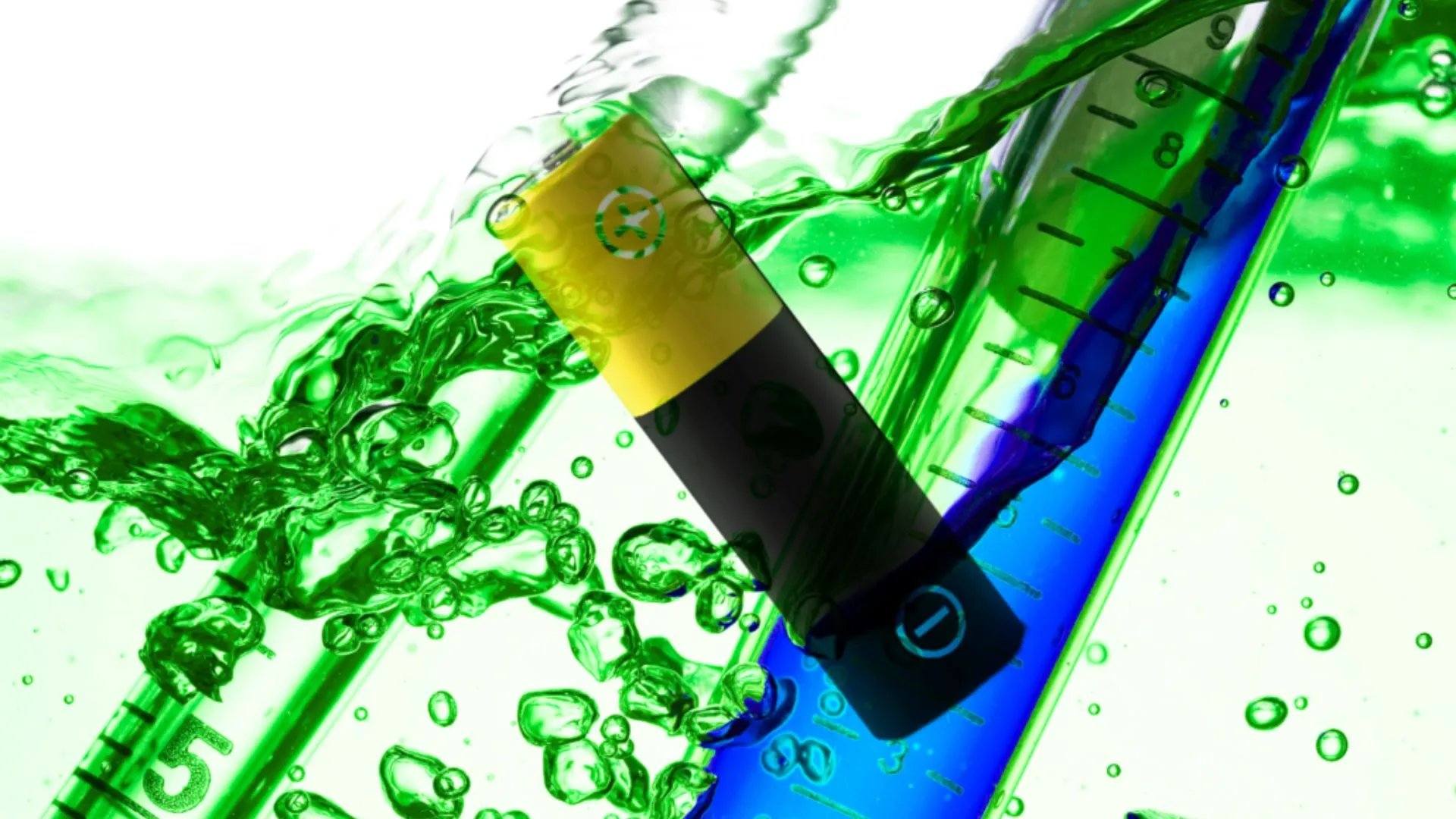
The team, led by Professor Hoseok Park at Sungkyunkwan University (SKKU), discovered that adding a small amount of a specially designed zwitterionic material to the electrolyte helps overcome key challenges hindering the commercialization of aqueous batteries. Unlike lithium-ion batteries, aqueous batteries use a water-based electrolyte that is non-flammable, more environmentally friendly, and cheaper to manufacture. However, their performance has long been hampered by unstable zinc deposition and side reactions between the zinc electrode and water during charge and discharge cycles, leading to corrosion, uneven metal buildup, and rapid capacity fade, shortening battery life and limiting large-scale applications.
To address these issues, the researchers developed a zwitterionic additive named C10. Zwitterions carry both positive and negative charges within the same molecule, enabling unique interactions with surrounding ions. When C10 is added to the electrolyte, the molecules spontaneously assemble into nanostructures approximately 3.77 nanometers in diameter. These structures guide zinc ions to deposit more uniformly on the electrode surface, reducing the formation of irregular zinc structures, while also forming a thin protective layer on the zinc metal surface to prevent direct contact with water and suppress side reactions.
These combined effects result in significant performance improvements: aqueous batteries using the modified electrolyte can operate stably for over 2,800 hours, achieving an areal capacity of 8.10 mAh cm⁻². The research team states that this represents a leading performance metric among reported aqueous battery systems. Professor Park noted that significant performance gains can be achieved by simply adding a small amount of material, without the need for expensive materials or complex manufacturing processes.
Simultaneously improving cycle life and storage capacity has been a long-standing challenge in aqueous battery development, with many previous methods often improving one at the expense of the other. The new electrolyte strategy addresses both issues simultaneously without requiring costly manufacturing changes. The researchers believe this technology could be applied to large-scale energy storage applications, where safety, cost, and durability are critical factors. Beyond renewable energy storage, the technology also has potential for use in large-scale energy storage systems for artificial intelligence infrastructure and data centers. The findings were published in the journal Nano-Micro Letters.
This article is compiled by Wedoany. All AI citations must indicate the source as "Wedoany". If there is any infringement or other issues, please notify us promptly, and we will modify or delete it accordingly. Email: news@wedoany.com
Related Products

KYN28-12/24 Indoor High-Voltage Metal-Clad Removable Switchgear
Shenzhen Zhaoyang Hui Technology Co., Ltd.
Industrial and Commercial Point-Type Gas Detector
Jinan Benan Technology Development Co., Ltd.
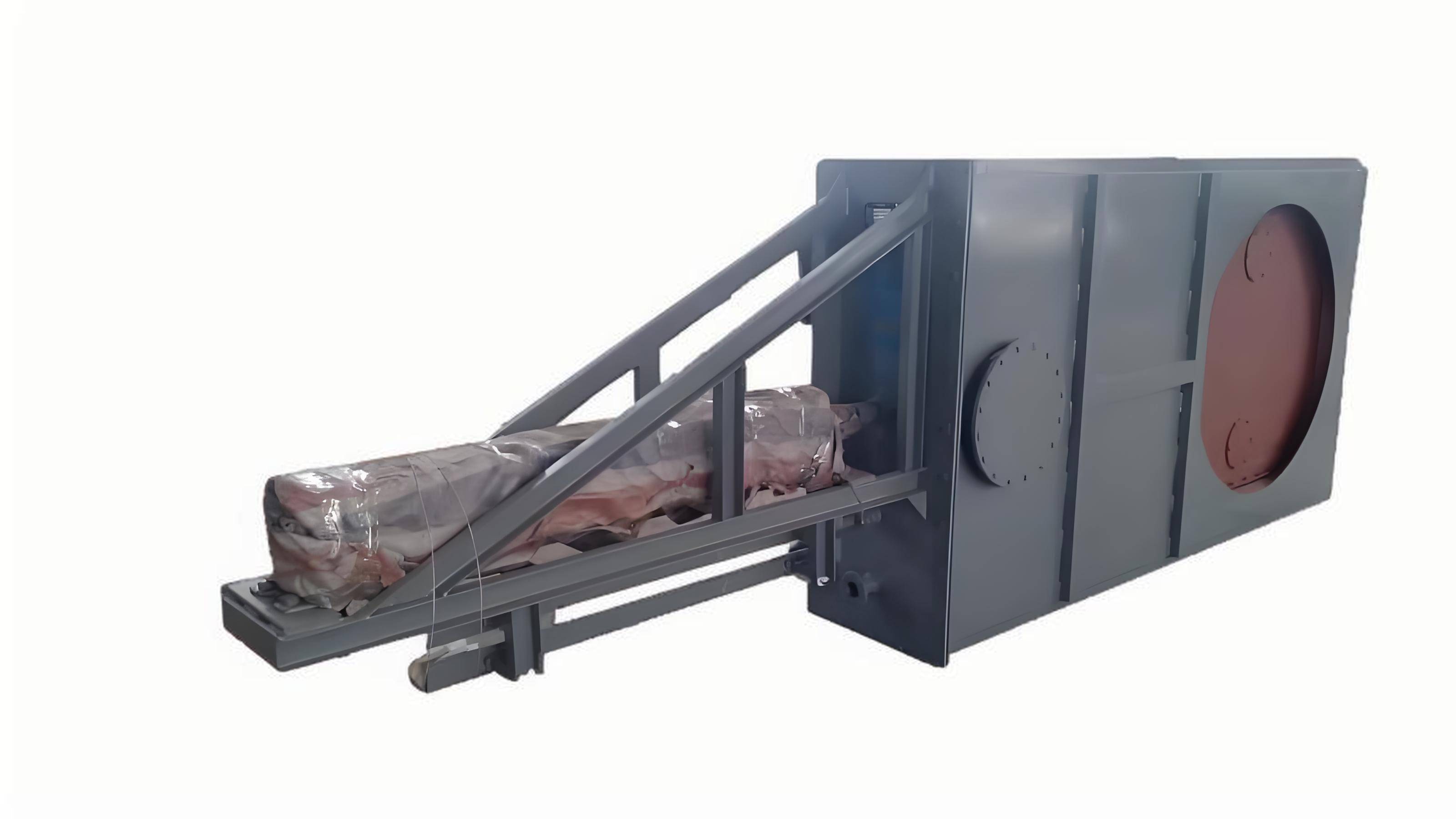
Double-slide Triple-sealed Hot Air Isolation Door
Xi'an Yingchuan Electric Power Equipment Co., Ltd.

Forest and Grassland Heat Source Infrared Monitor
China Huayun Meteorological Technology Group Co., Ltd.