Waste-to-Energy Incineration Is Entering a Higher-Quality Development Stage
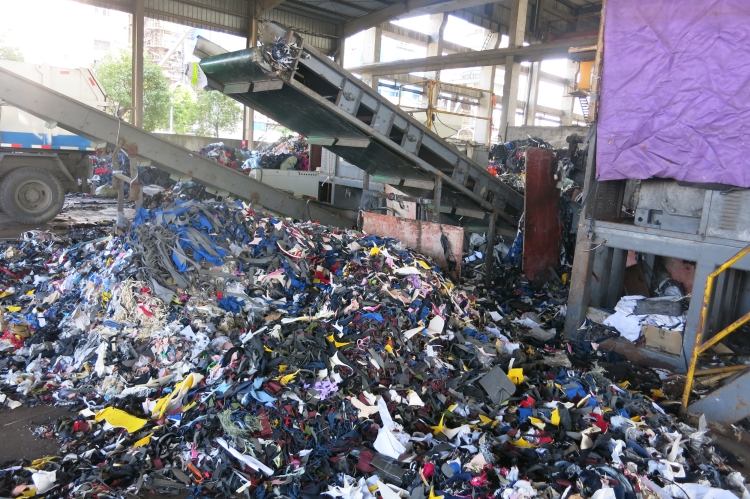
en.Wedoany.com Reported - Waste-to-Energy Incineration is an important part of the municipal solid waste treatment system. It converts household waste into thermal energy and electricity through controlled incineration, helping cities achieve waste reduction, harmless treatment and resource recovery. As urbanization continues, municipal waste volumes increase and landfill constraints become more serious, waste-to-energy incineration is becoming more than a disposal method. It is increasingly a key part of environmental infrastructure and urban energy utilization.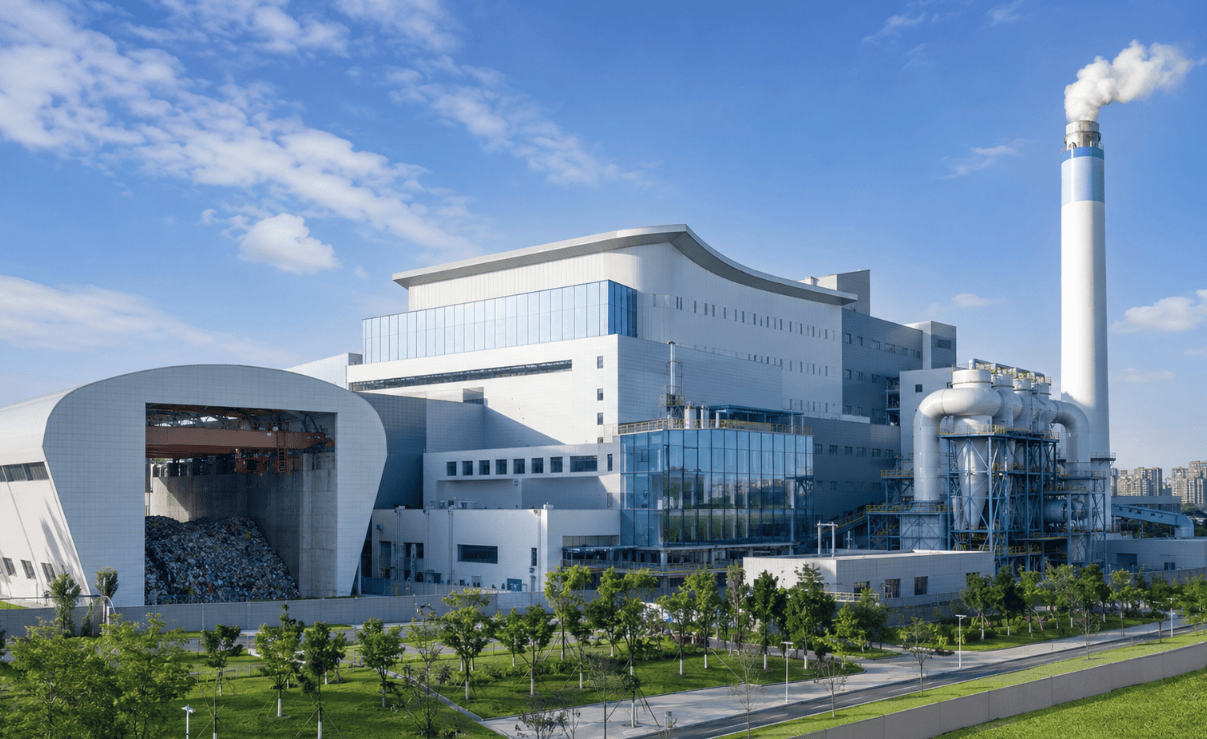
Compared with traditional landfill disposal, waste-to-energy incineration provides clear volume reduction advantages. After incineration, the volume and weight of municipal waste are greatly reduced, which helps save land resources. At the same time, the heat released during combustion can be recovered for power generation and district heating, improving the energy value of waste. For cities facing land scarcity and rising waste treatment pressure, waste-to-energy projects have become a practical infrastructure option.
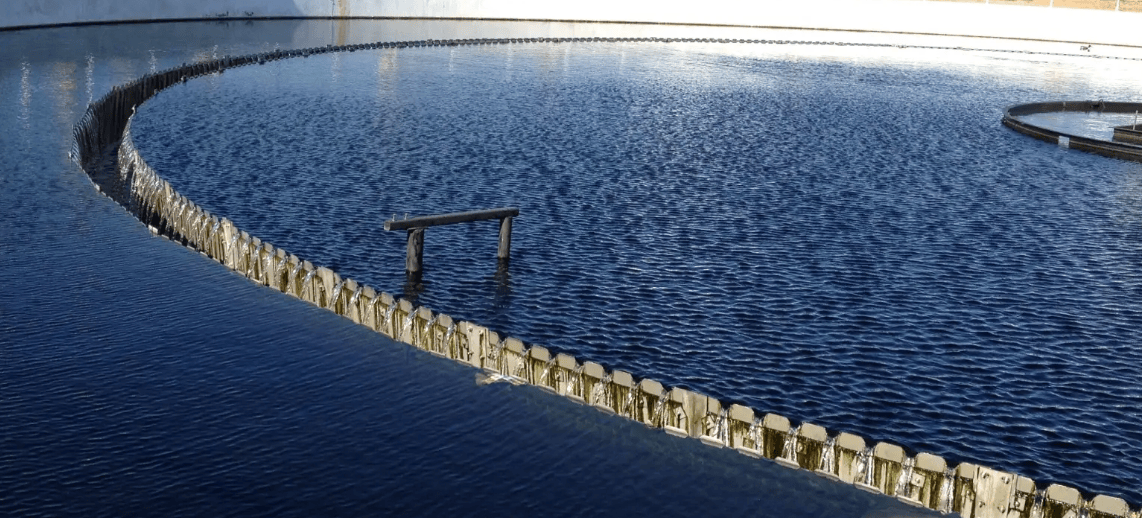
A typical waste-to-energy plant includes waste receiving and storage, feeding systems, incinerators, waste heat boilers, flue gas treatment systems, steam turbines, generators, bottom ash and fly ash handling systems, wastewater treatment and automation systems. The incinerator is the core unit, and its operating stability directly affects combustion efficiency, steam parameters and emission control performance. Waste heat boilers determine thermal recovery efficiency, while flue gas purification systems are essential for controlling dioxins, acid gases, particulates and heavy metals.
Environmental performance is one of the most closely watched issues in waste-to-energy development. Municipal waste composition is complex, and moisture content may fluctuate significantly. If the combustion process is unstable, pollutant emissions may rise. Therefore, plants need not only mature flue gas cleaning systems, but also stable furnace temperature control, sufficient flue gas residence time, optimized combustion air distribution and continuous emission monitoring. Competition among modern waste-to-energy plants is no longer simply about whether waste can be burned. It is increasingly about whether the plant can operate safely, continuously and in compliance with environmental standards.
The economics of waste-to-energy projects also extend beyond electricity tariffs. Revenue usually depends on waste treatment fees, power generation, heat supply, bottom ash utilization and operational cost control. If the calorific value of incoming waste is too low, plant utilization hours are insufficient or environmental operation costs are too high, project profitability may be affected. Therefore, project planning should consider the municipal waste collection system, waste composition, plant scale, local heat demand and policy support conditions.
In the future, waste-to-energy incineration will place greater emphasis on integrated development and intelligent operation. On one hand, plants may be developed together with kitchen waste treatment, sludge disposal, leachate treatment and industrial steam or district heating networks. On the other hand, digital operation tools, online monitoring, equipment condition diagnosis and intelligent combustion control can improve plant stability and reduce unplanned shutdowns.
Overall, waste-to-energy incineration is not only a waste treatment facility, but also an important node in the circular economy and green energy system of modern cities. As environmental standards continue to rise and urban infrastructure upgrades continue, projects with efficient combustion, stable power generation, low-emission control and intelligent operation capability will play a more important role in future municipal environmental and energy systems.
This article is compiled by Wedoany. All AI citations must indicate the source as "Wedoany". If there is any infringement or other issues, please notify us promptly, and we will modify or delete it accordingly. Email: news@wedoany.com
Related Products
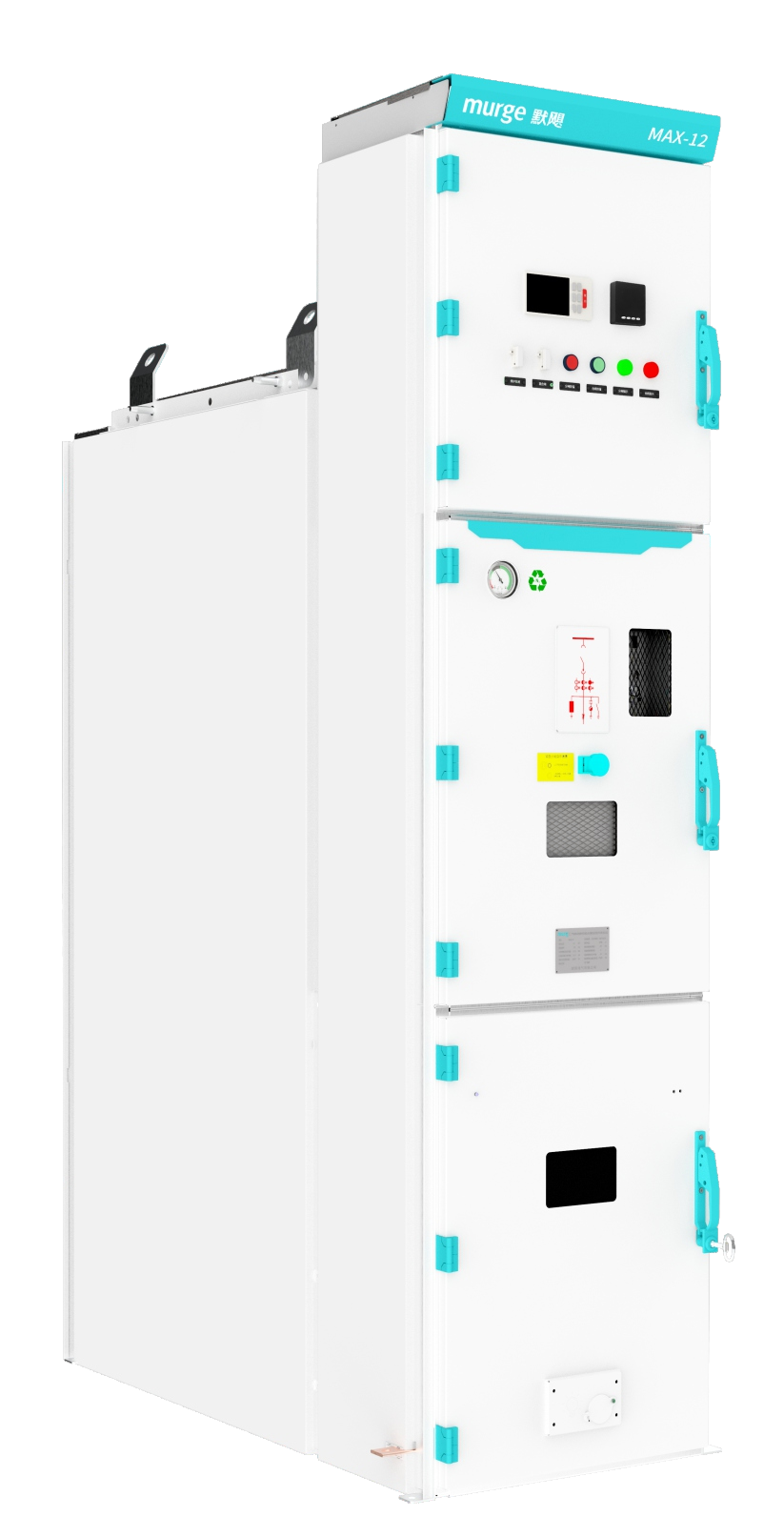

MAX-12 series Environmental Protection/SF6 gas insulated switchgear (C-GIS)
Murge Electric Co.,Ltd.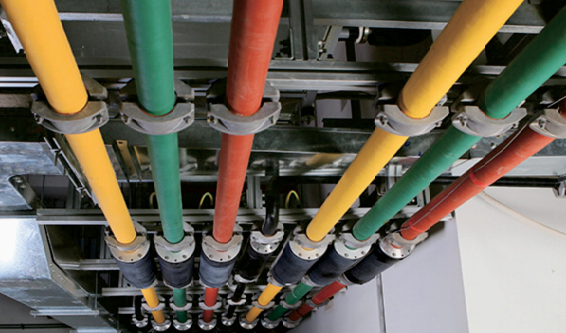
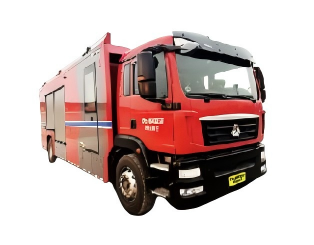
Modular Multifunctional Water Supply and Drainage Vehicle (18T)
Changsha Dewater Machinery Technology Co., Ltd.

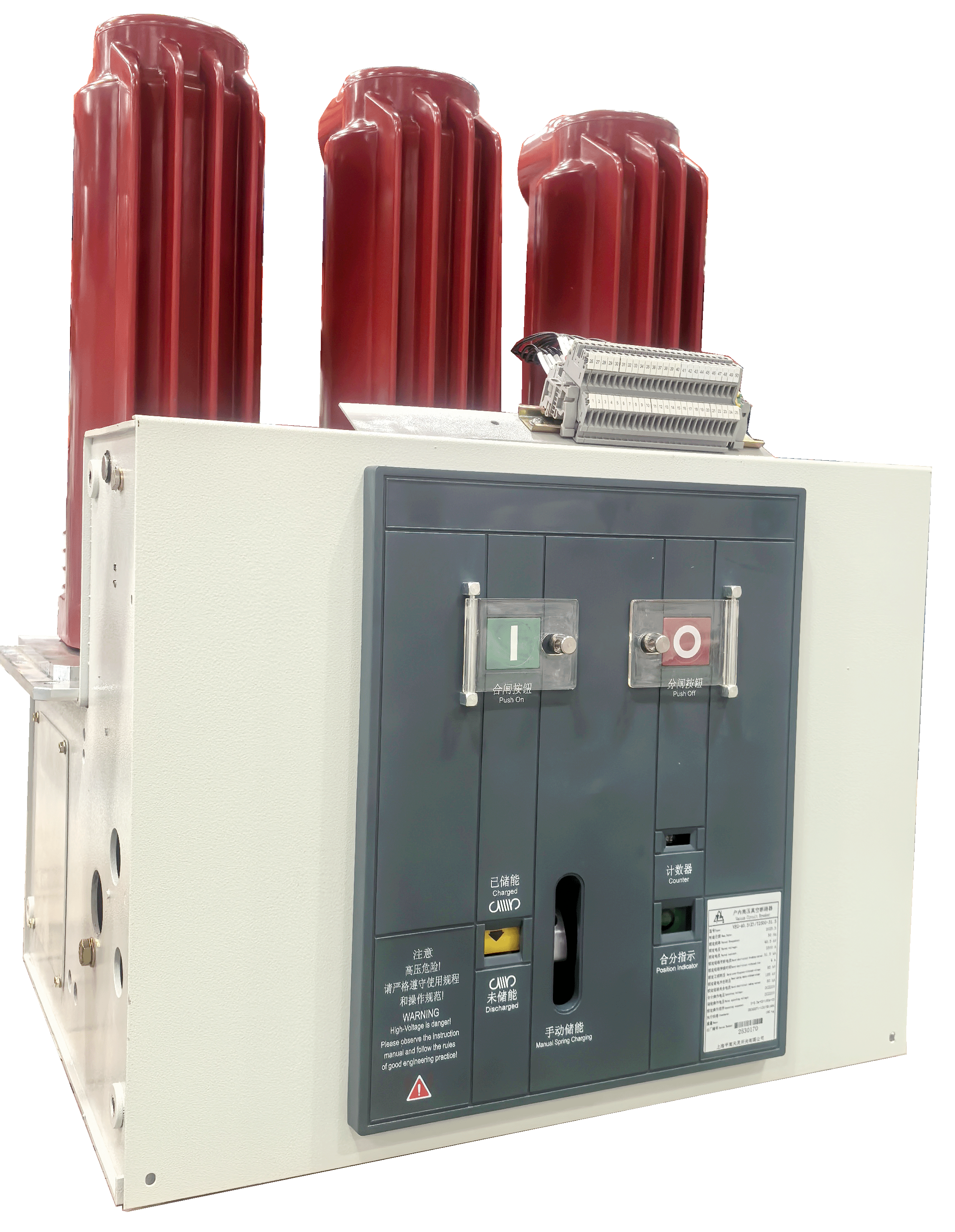
VEG-12/24/40.5 Series Vacuum Circuit Breaker
SHANGHAI PINGGAO TIANLING SWITCHGEAR CO., LTD.

Pneumatic high-pressure wear-resistant ball valve
Zhejiang Deca Control Valve Meter Co., Ltd.