Farmland Soil Improvement Requires Engineering and Digital Management for Saline and Degraded Land
en.Wedoany.com Reported - Saline-alkali land, acidified soil, compacted soil and farmland with declining organic matter are common cultivated land quality problems. As farmland protection and agricultural efficiency become more important, Farmland Soil Improvement is moving from experience-based treatment toward engineering, digital management and long-term maintenance.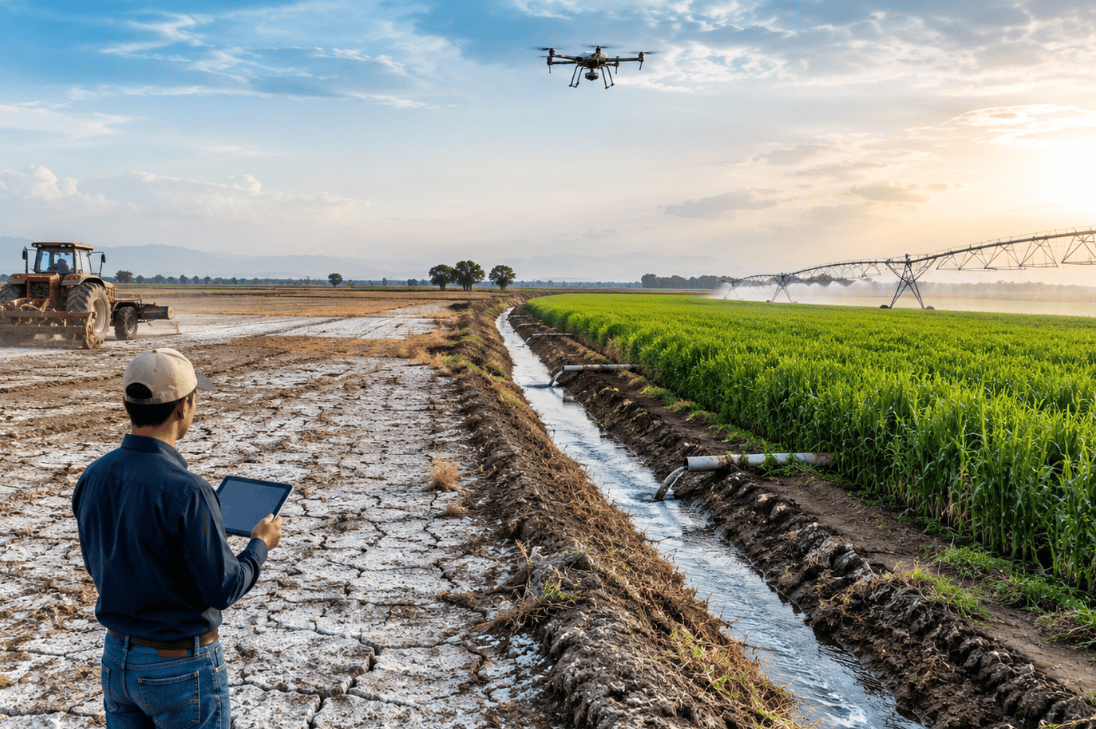
For agricultural operators, soil improvement is not a short-term expense. It is an important investment in land asset value, stable yield and long-term production capacity. Different soil degradation types require different improvement strategies, and a single amendment is rarely enough to solve complex farmland problems.
Saline-alkali land management is one of the key challenges. Excessive salinity affects crop water absorption and root development, while strong alkalinity can damage soil structure and reduce permeability. Improving saline-alkali land usually requires drainage, salt leaching, soil amendments, salt-tolerant crops and irrigation-drainage engineering. If amendments are applied without solving groundwater level and salt drainage problems, the improvement effect may not last.
Acidified soil also requires precise treatment. In some regions, long-term excessive nitrogen fertilizer use may lower soil pH, reducing nutrient availability and damaging the root environment. Acidified soil improvement should combine lime, alkaline amendments, organic fertilizer and balanced fertilization. Continued excessive use of single chemical fertilizers should be avoided.
Soil compaction and organic matter decline are often related to cultivation systems and soil management. Long-term machinery traffic, excessive tillage, lack of straw return and insufficient organic fertilizer can damage soil aggregate structure, restrict root growth and reduce water infiltration. Deep loosening, conservation tillage, straw return, green manure and organic matter input can gradually restore soil structure.
Engineering measures are becoming important support for soil improvement. In high-standard farmland construction, irrigation and drainage channels, land leveling, drainage systems, roads and pump stations can improve water conditions and mechanized operation. In saline land, low-lying fields and irrigation districts, water engineering and soil improvement must be designed together to achieve stable results.
Digital technologies are also improving soil improvement efficiency. Soil sensors, drone remote sensing, field nutrient maps, soil moisture monitoring and farmland management platforms can identify soil differences across plots. This supports zone-based improvement and variable-rate fertilization. Compared with uniform input, precision management can lower cost and improve treatment accuracy.
In the future, the farmland soil improvement market will place more emphasis on integrated services. Agricultural service companies need capabilities in soil testing, solution design, machinery operation, amendment supply, irrigation-drainage engineering and follow-up monitoring. A single-product sales model cannot fully meet complex farmland management needs.
Overall, the core of farmland soil improvement is to upgrade land from short-term cultivable land to long-term stable and productive farmland. Facing salinization, acidification, compaction and fertility decline, only the combination of engineering measures, agronomic practices, biological methods and digital management can truly improve cultivated land quality and agricultural sustainability.
This article is compiled by Wedoany. All AI citations must indicate the source as "Wedoany". If there is any infringement or other issues, please notify us promptly, and we will modify or delete it accordingly. Email: news@wedoany.com
Related Products

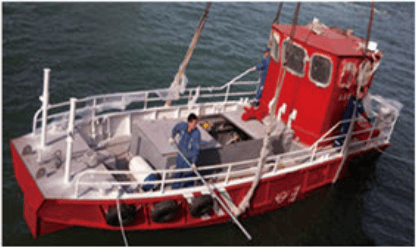
Electromagnetic Fluid Seawater Floating Oil Separation and Recover Equipment
Huate Magnet Group Co., Ltd.
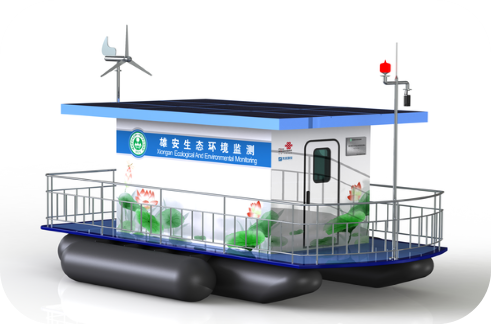
Floating Boat Water Quality Automatic Monitoring System
Hebei Sailhero Environmental Protection High-tech Co., Ltd.
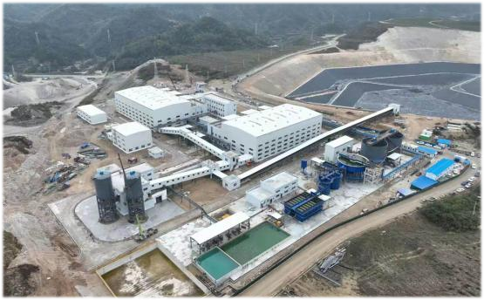
Yingping Mining Section Open-pit Tailings Backfill Treatment of Goaf Ecological Restoration EPC Project
China Bluestar Lehigh Engineering Corporation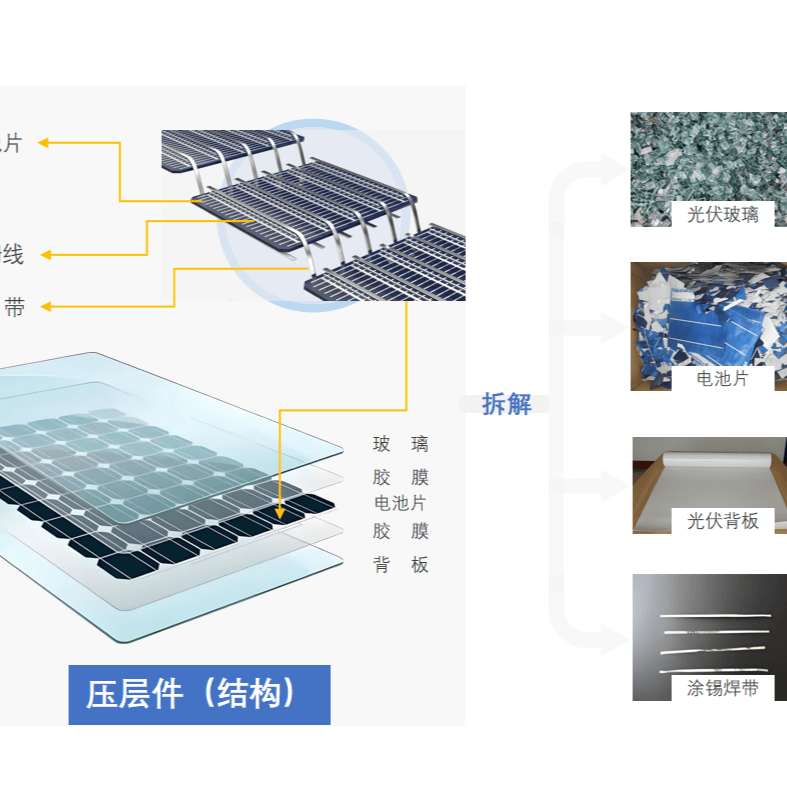
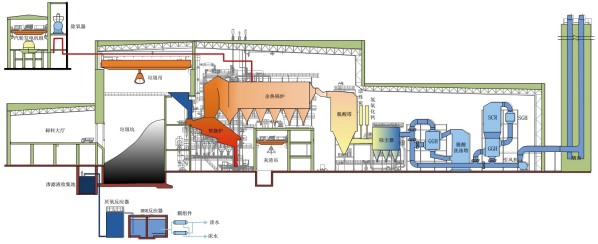
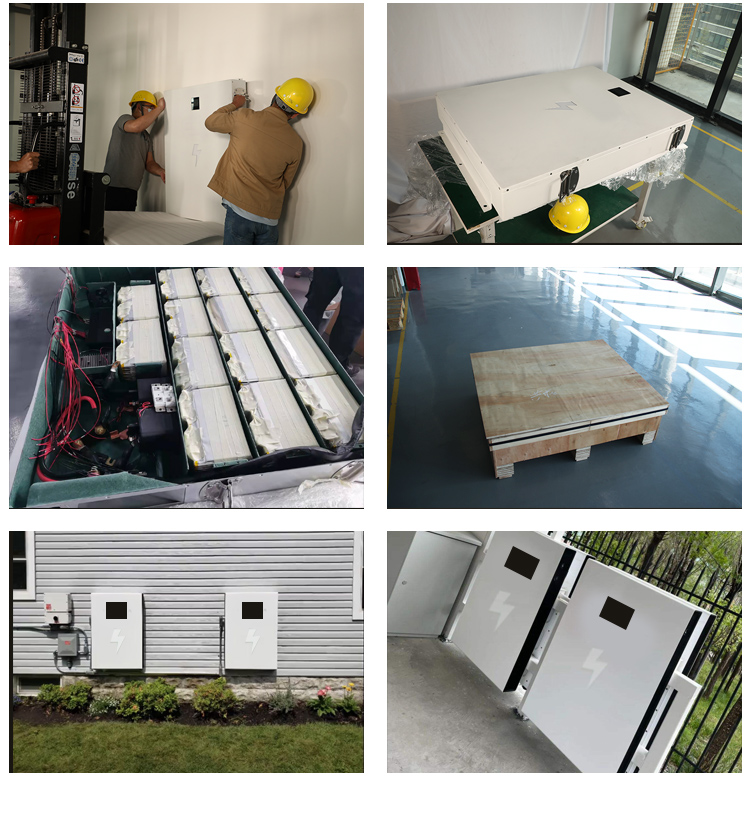
Safe, efficient, intelligent energy storage, creating smart homes and making life more convenient# Home Energy Storage # Supercapacitors # Energy Storage # Wall Mounted # Safe Electricity Use
Gonghe Power Co.,LTD
Forest and Grassland Heat Source Infrared Monitor
China Huayun Meteorological Technology Group Co., Ltd.