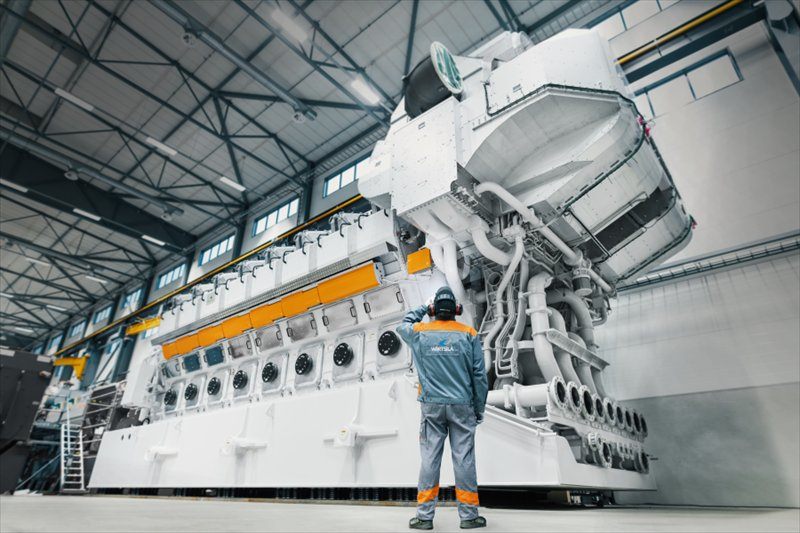
Unit 7 of Phase IV Expansion of China's Hubei Ezhou Power Plant Put into Operation
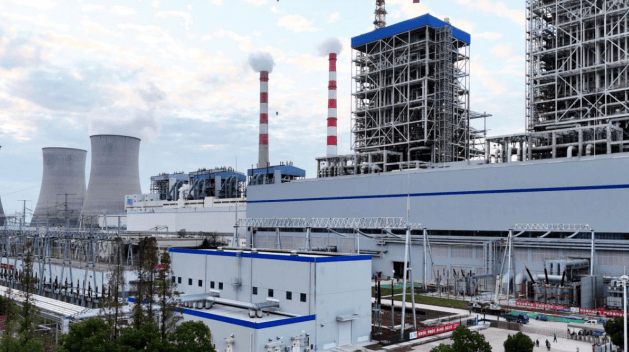
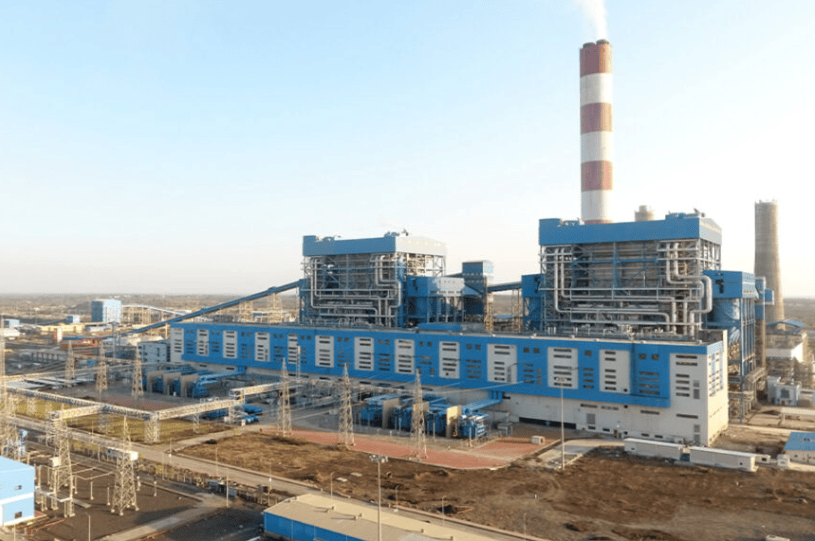
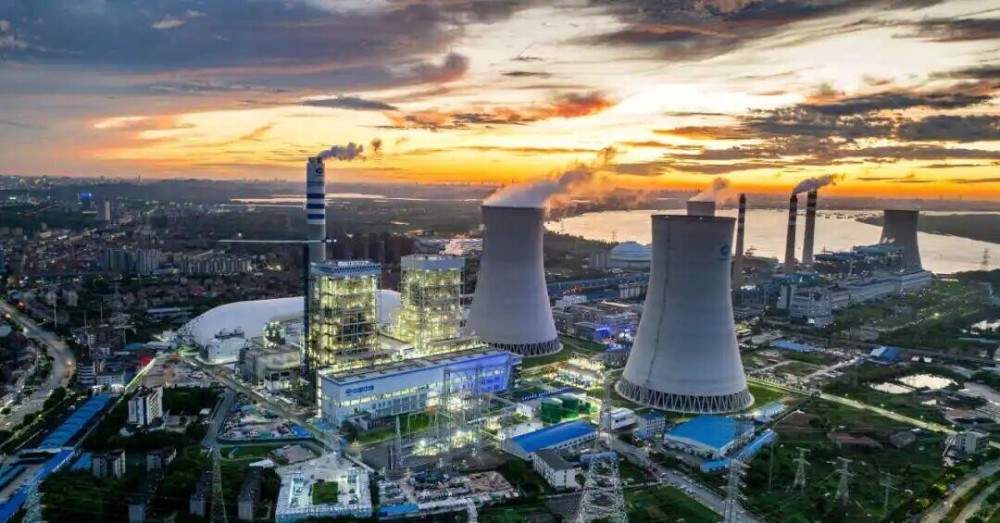
en.Wedoany.com Reported - Unit 7 of the Phase IV expansion project of the China Energy Engineering Group Central Southern China Electric Power Design Institute (CEEC-CSEPDI)-led, jointly contracted by Zhejiang Thermal Power and Anhui Electric Power Construction No.2 Company, of the China Coal Ezhou Power Plant was officially put into operation on July 21, providing support for energy supply security in Hubei Province during the peak summer period.
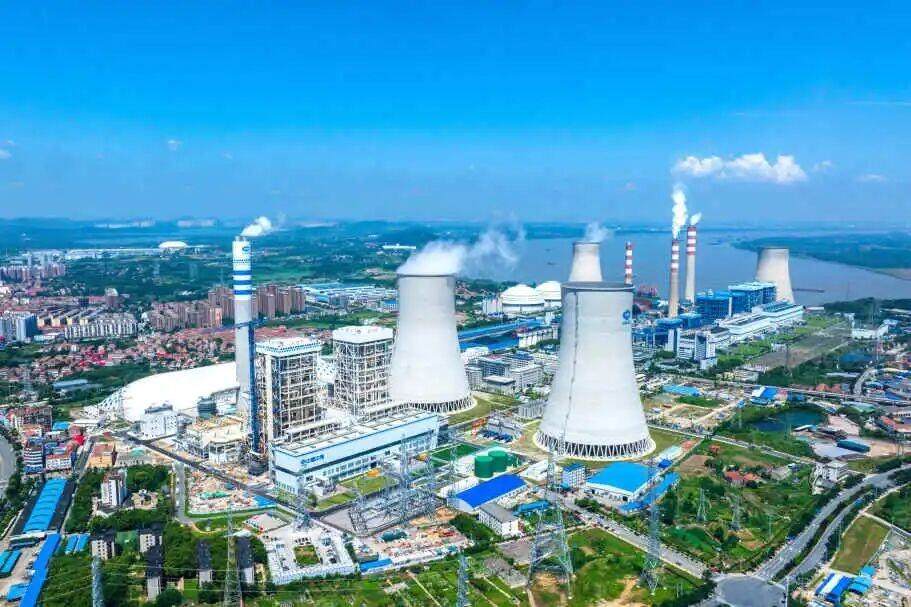
Located in the Gedian Economic Development Zone, Ezhou City, Hubei Province, the project involves the construction of two 1,000 MW ultra-supercritical coal-fired units, equipped with flue gas desulfurization and denitrification facilities. It is a key project under the national "14th Five-Year Plan" for modern energy systems and a provincial key project in Hubei. The units adopt high-parameter technology at 31MPa/605°C/623°C, combined with a twelve-stage regenerative system and a deep flue gas waste heat recovery system, achieving a net coal consumption rate of 263.43 g/kWh, surpassing the national new-generation coal power demonstration standard. The minimum stable combustion load can be as low as 19%, with a coal consumption increase of only 16% at 30% load, leading the industry in deep peak-shaving capability and flexibly accommodating large-scale grid integration of wind and solar power.
The project has distilled "two industry firsts, eight characteristic management practices, and sixteen core technologies," with multiple technologies achieving industry breakthroughs. The two industry firsts include: the first application of a 500 kV external bridge connection method in China's thermal power sector, enabling flexible bidirectional power transmission between Phase III and Phase IV units to Wuhan and Ezhou, enhancing grid dispatch flexibility; and the first implementation of a 3,600-ton fire station integral relocation in China, replacing demolition and reconstruction to shorten the construction period. On the management front, the project implements "eight characteristic management practices," extending from holistic construction, digital design, precise procurement, and meticulous construction to safety, quality, and humanized management, forming a high-standard management chain. Supported by "sixteen core technologies," the project leverages intensive layout, energy conservation and consumption reduction, ultra-low emissions, and intelligent control, fully applying domestically produced control systems.
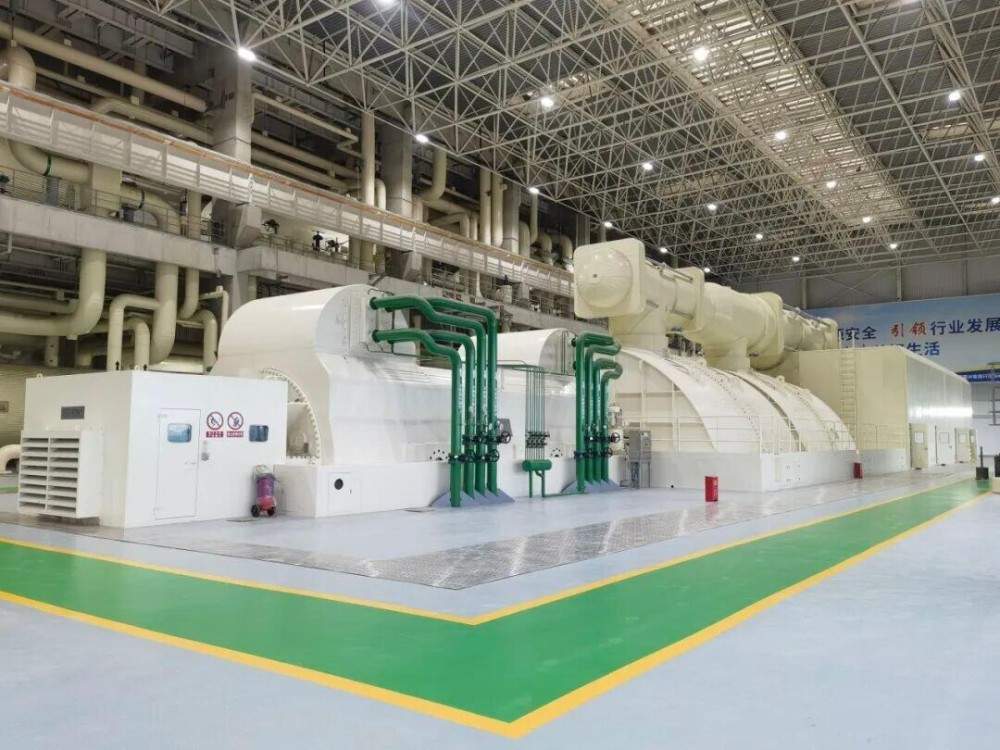
In terms of environmental protection, the project achieves closed-loop management across the entire chain of flue gas, wastewater, solid waste, and dust, attaining near-zero pollution. It features the province's first fully enclosed air-supported coal yard, ensuring zero dust leakage; and utilizes "0# high-pressure heater + economizer staging" technology to achieve full-load denitrification from 19% to 100% load. The emission concentrations of nitrogen oxides and sulfur dioxide in flue gas do not exceed 35 mg/Nm³, and dust does not exceed 5 mg/Nm³. The project also includes a zero-discharge system for desulfurization wastewater, eliminates the fuel oil system by adopting dual-layer plasma ignition to create an "oil-free power plant," and reserves space for carbon capture and biomass co-firing retrofits. Additionally, the project applies CEEC-CSEPDI's patented high-level water collection cooling tower, fundamentally solving the leakage problem of the basin while providing energy-saving and noise-reduction benefits.
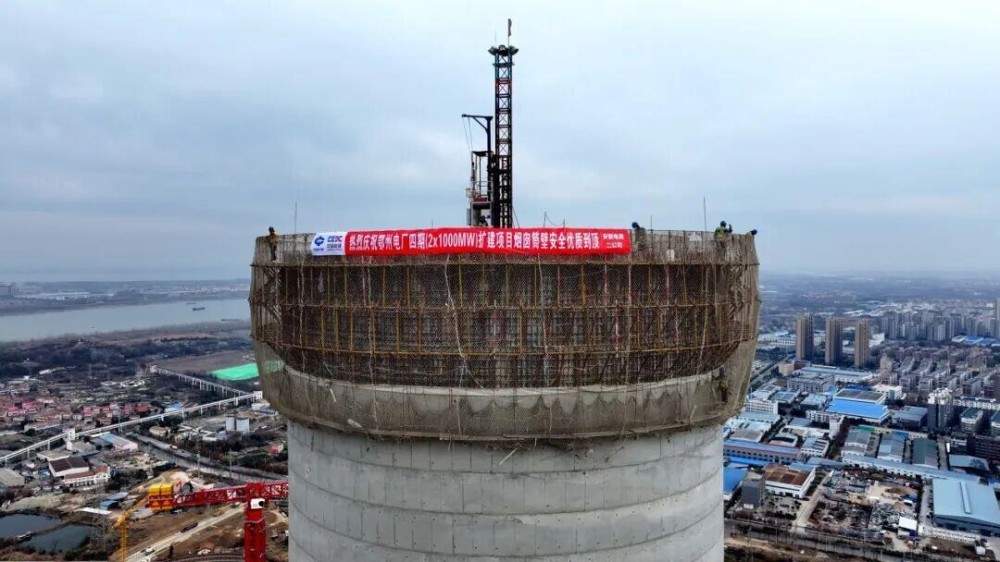
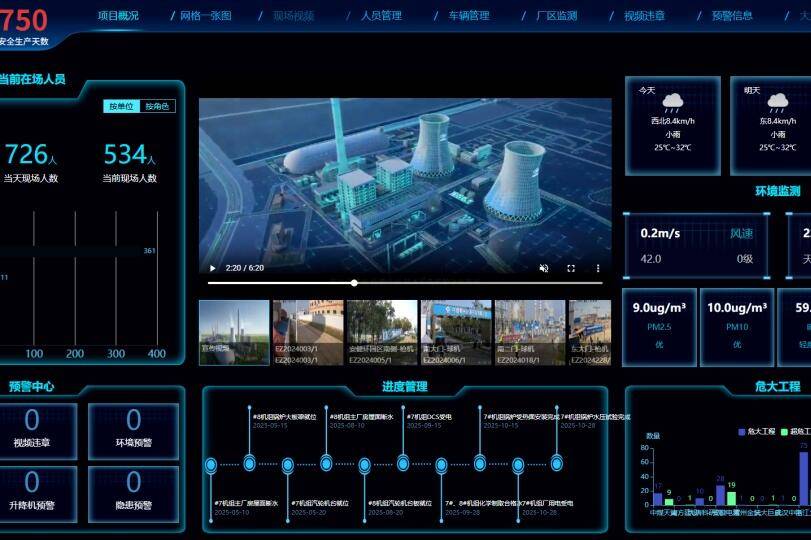
On the digital front, the project leverages full-plant 3D digital design to preemptively avoid pipeline collisions, reducing process changes. The control system is fully domestically produced, enabling APS one-key start-stop, with AGC unmanned operation accounting for over 95% of the time. It also employs digital twins, intelligent fuel systems, and sampling robots, significantly saving human resources. As an expansion project of an existing plant, facing challenges such as limited space and interweaving of old and new systems, the project team implemented full-chain EPC integrated management, relying on a smart construction site to achieve closed-loop management of safety and quality throughout the process. Since the first concrete pour in April 2024, key milestones such as steel structure hoisting, chimney topping, auxiliary power energization, turbine rotor installation, and grid connection have all been achieved in one go, with processes advancing seamlessly and achieving zero safety incidents throughout. After completing the 168-hour trial run in July 2026, Unit 7 will serve dual functions of peak load supply and deep peak-shaving, optimizing the province's power source layout, enhancing grid peak-shaving and residential electricity supply capabilities, providing power support for the load center in eastern Hubei, and establishing a model for supporting and regulating power sources in the new-type power system in Central China.
Related Products

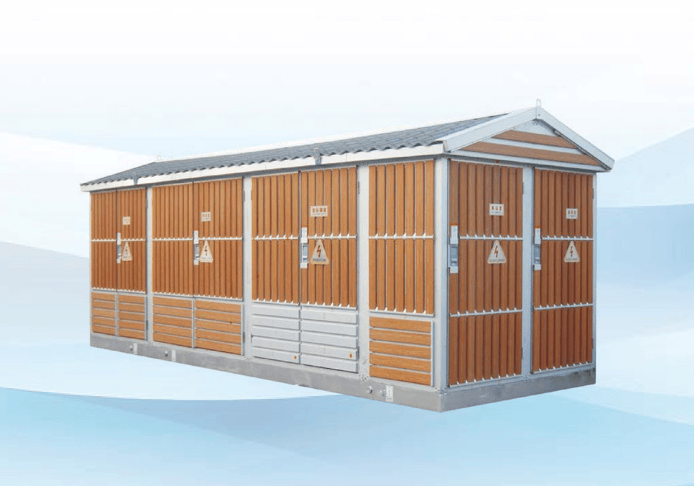
YB □ -12/0.4/1250 Outdoor Prefabricated Substation (European Style)
Shangrao Shangyu Intelligent Electric Co., Ltd.
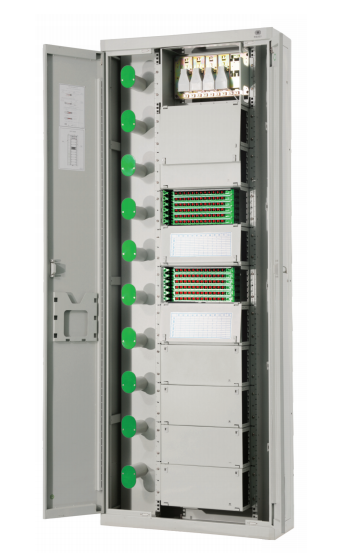
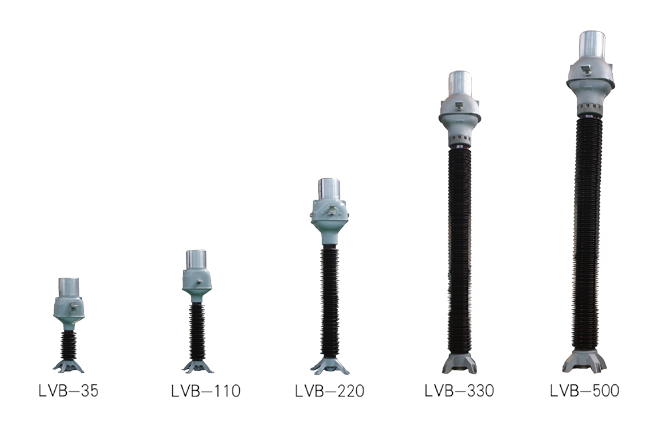
LVB Series 35-500kV Oil-immersed Inverted Current Transformer
Shandong Taikai Instrument Transformer Co., Ltd.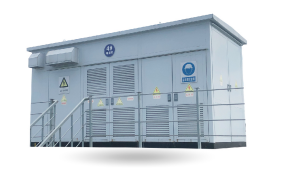
Smart Photovoltaic Prefabricated Substation
Shanghai Jinyou Jinhong Intelligent Electric Co., Ltd.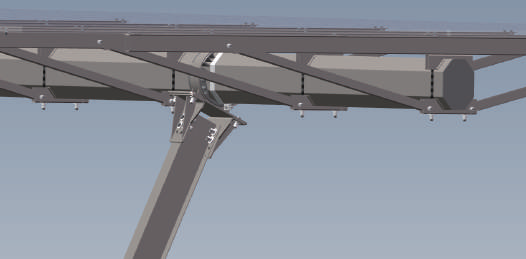
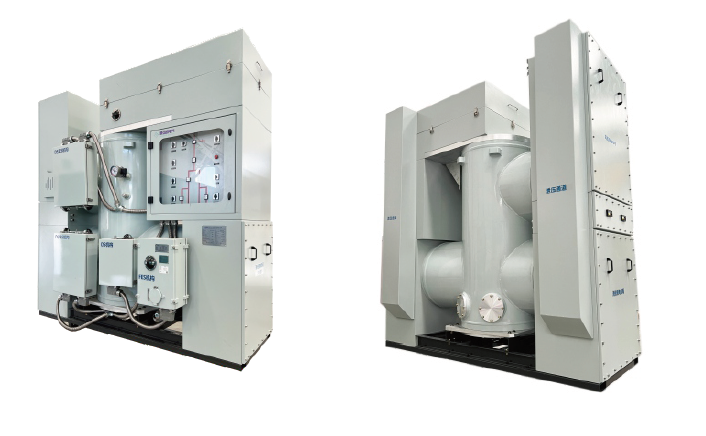
72.5kV 1250A 31.5kA SF6 free Gas-insulated Metal-enclosed Switchgear
Zhejiang Juhonkia Intelligent Electric Co., Ltd.
Prefabricated Houses and Electrical Energy Boxes
Chengdu Ruilong Machinery Manufacturing Co., Ltd.