Brazil's Grupo SADA Deploys 21 CNG Trucks to Drive Fleet Decarbonization
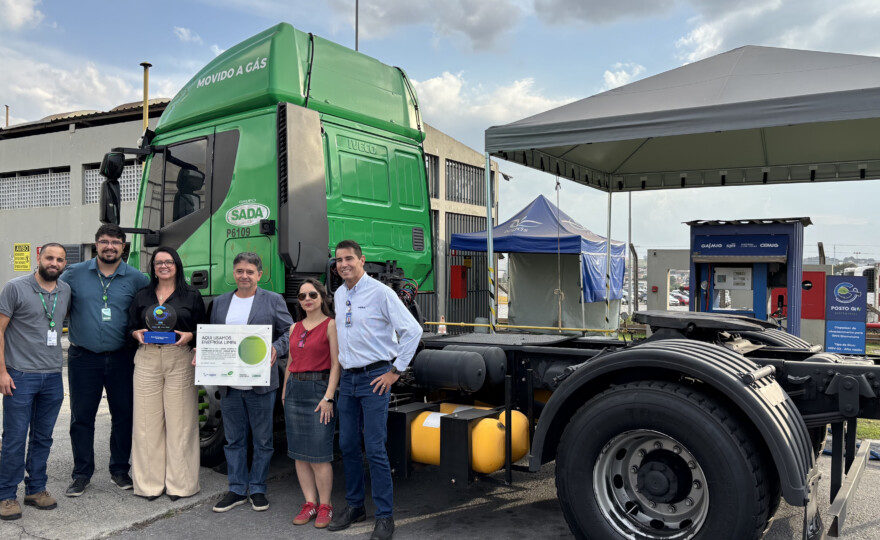
en.Wedoany.com Reported - Several companies in the Brazilian state of Minas Gerais have jointly launched a low-carbon road freight solution, integrating 21 compressed natural gas (CNG) trucks from Grupo SADA with pipeline-based refueling infrastructure from Logás. Gasmig supplies gas to the facility, while Energia Livre Cemig provides certified renewable electricity to support operations.
This initiative directly serves Grupo SADA's emission reduction targets. Data shows that road transport accounts for approximately 25% of CO₂ emissions in the country's transportation sector, with over 90% of heavy-duty fleets relying on diesel power. This project implements and consolidates Grupo SADA's heavy-duty fleet decarbonization plan launched in 2024, demonstrating that economically viable emission reduction alternatives already exist in the market without compromising freight operational efficiency.
The emission reduction effects of this solution cover the entire chain: reducing emissions not only during vehicle operation but also during fuel compression and refueling, thereby expanding the environmental benefits across the entire logistics chain. Additionally, another notable feature is that the refueling station uses pipeline gas supply, eliminating the need for tanker truck transportation of fuel, further reducing the carbon footprint during operations.
According to Cemig, this approach combining natural gas, efficient infrastructure, and renewable energy can deliver immediate environmental benefits and promote the formation of more sustainable logistics models. The facility has consequently received the "Sustainable Refueling Station" certification (Selo Posto GNV Sustentável).
Rodrigo Pazzini, Technical and Commercial Director of Gasmig, stated that decarbonization of heavy-load transport can already be achieved using commercially available technologies. He noted that the energy transition must cover the transportation sector, and natural gas already offers a competitive option for emission reduction. "In the future, this infrastructure will also be prepared for the expanded use of biomethane—a renewable fuel made from agro-industrial waste," he said.
This article is compiled by Wedoany. All AI citations must indicate the source as "Wedoany". If there is any infringement or other issues, please notify us promptly, and we will modify or delete it accordingly. Email: news@wedoany.com
Related Products


714CD Series C-Band Weather Radar
Chengdu Zhongdian Jinjiang Information Industry Co., Ltd.

Manufacturer Direct Sales Tesla New Energy Electric Vehicle Universal DC 180kW Dual-gun Charging Pile Commercial Fast Charger
Anhui Haidira Electric Technology Co., Ltd.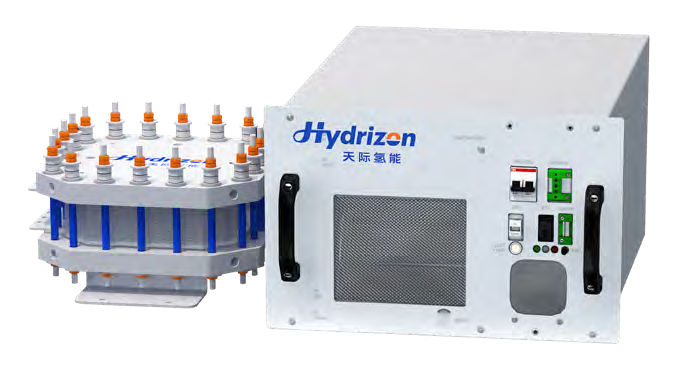
HI-Pro Green Hydrogen High-efficiency Production System-HI-PRO-AEM
Hydrizon Technology (Beijing) Co., Ltd.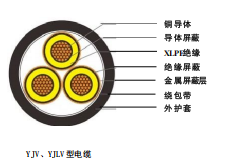
Rated Voltage 6-35kV Cross-linked Polyethylene Insulated Power Cable
TONGDING INTERCONNECTION INFORMATION CO., LTD.
Electromagnetic Fluid Seawater Floating Oil Separation and Recover Equipment
Huate Magnet Group Co., Ltd.