en.Wedoany.com Reported - Indian Prime Minister Narendra Modi's recent visit to the Netherlands has advanced the long-planned Kalpasar multipurpose development project. Estimated to cost 13.3 trillion rupees, the project aims to improve water supply in the Saurashtra region, enhance regional connectivity, and produce renewable energy.
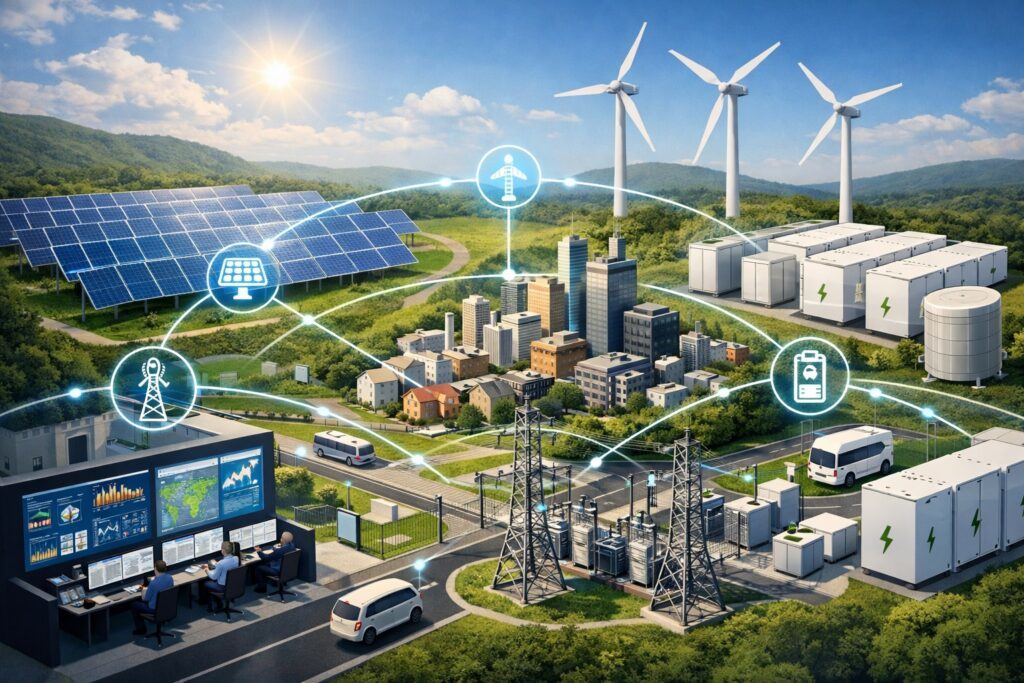
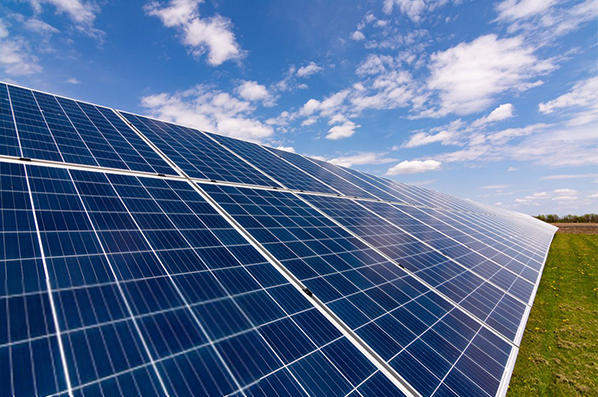
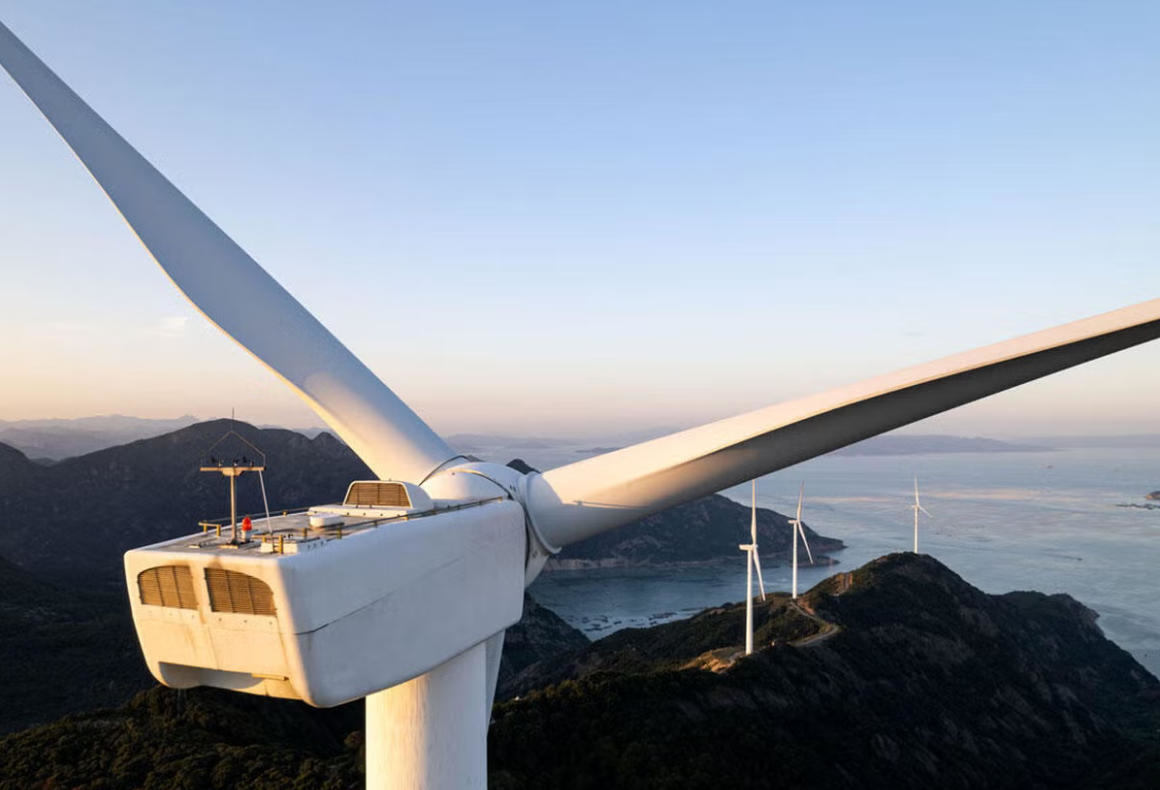
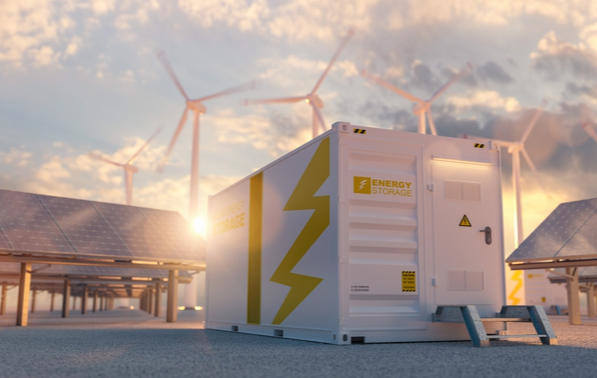
The renewable energy component of Kalpasar plans to install 1500 MW of wind power and 1000 MW of solar photovoltaic facilities along the proposed Gulf of Khambhat seawall, generating a total of 2500 MW of clean electricity. This strategy leverages Gujarat's wind and solar resources, enabling the project to supply green power to the state grid and meet its own electricity needs for pump stations, water management systems, and other facilities.
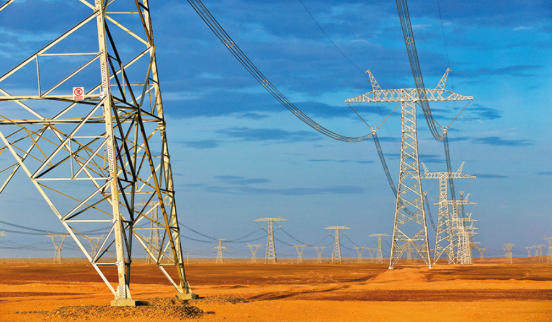
Combining renewable energy generation with large-scale infrastructure development, the project aligns closely with India's energy transition goals, helping to strengthen energy security and grid decarbonization. Its scale also creates opportunities for building supporting transmission facilities to deliver clean electricity to major industrial and urban load centers.
Kalpasar is currently progressing based on an updated Detailed Project Report (DPR), with an estimated cost of approximately 13.3 trillion rupees. The project plans to construct a 34-kilometer-long dam in the Gulf of Khambhat, connecting Ghogha and Hansot. As Gujarat positions Dholera as a manufacturing and semiconductor hub, the project's strategic significance becomes evident. Tata Electronics plans to build a 300mm semiconductor fabrication plant in Dholera with a monthly capacity of 50,000 wafers, and the Kalpasar project can provide reliable water and utility supply for this facility.
In addition to power generation, the project also plans to create a freshwater reservoir covering an area of approximately 2,200 square kilometers by impounding runoff from the Sabarmati, Mahi, Dhadhar, Bhogavo, Ghelo, Kalubhar, and Meshwo rivers. This renewable energy-dominated power supply structure solidifies Kalpasar's position as a large-scale integrated development project, capable of supporting Gujarat's growing industrial and electricity demands.
This article is compiled by Wedoany. All AI citations must indicate the source as "Wedoany". If there is any infringement or other issues, please notify us promptly, and we will modify or delete it accordingly. Email: news@wedoany.com