Brazil's Biostation Showcases Palm Vein Biometric Anti-Fraud Solution at DINAMO Networks
en.Wedoany.com Reported - Biostation presented a digital government security authentication solution based on biometric technology at the DINAMO Networks booth, including palm vein authentication technology, to address fraud risks posed by AI-driven attacks.
Brazil continues to solidify its position as a global reference in biometric anti-fraud. A survey released by Aware, Inc. in April this year showed that 70.7% of Brazilian organizations use biometrics to combat identity fraud, a rate higher than the global average. The study also indicated that 88% of Brazilian companies are concerned about AI-driven attacks targeting biometric systems, and 98% have expressed interest in biometric orchestration solutions, suggesting these companies are seeking more sophisticated digital identity protection mechanisms.
Biostation CEO Leonardo Araújo stated that these figures demonstrate Brazil's recognition of the importance of biometrics in combating fraud, but the challenge is becoming increasingly severe: the need to make systems smarter to counter complex AI-driven attacks. He believes the proposal lies in providing an additional security layer, combining different biometric technologies and anti-fraud orchestration to protect citizens' digital identities.
Araújo also emphasized that the digital transformation of public services requires solutions that balance agility, security, privacy, and user experience. He added that as governments expand their digital service offerings, the need to verify the identity of users on the other end of the screen is growing, and technologies like palm vein biometrics represent a significant advancement, enabling secure access and reducing fraud risk without compromising citizen experience.
Biostation is a Brazilian company specializing in biometric-based digital authentication and anti-fraud orchestration solutions. It is a spin-off from DINAMO Networks, a benchmark in digital security and encrypted critical infrastructure, which has participated in projects such as PIX and DREX. Biostation integrates multiple biometric technologies into a unified platform, ensuring security through HSM encryption hardware and providing identity verification in high-risk environments. Its solutions are primarily applied in sectors such as financial services, mobility, healthcare, and education, aiming to strengthen data integrity, privacy, and governance.
This article is compiled by Wedoany. All AI citations must indicate the source as "Wedoany". If there is any infringement or other issues, please notify us promptly, and we will modify or delete it accordingly. Email: news@wedoany.com
Related Products
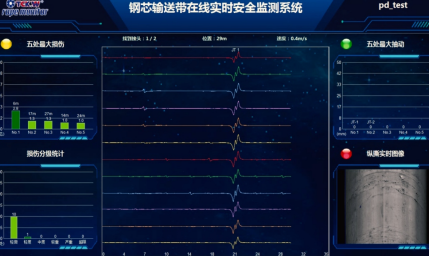

Conveyor Belt Intelligent Monitoring System
LUO YANG WIRE ROPE INSPECTION TECHNOLOGY CO., LTD.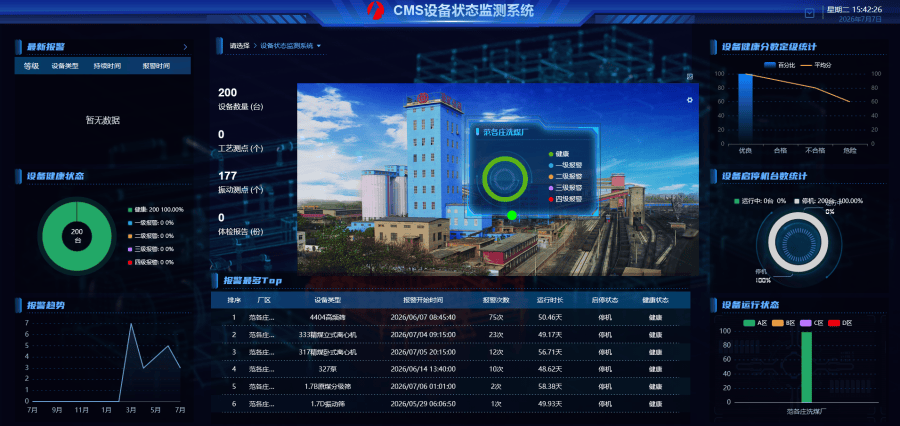



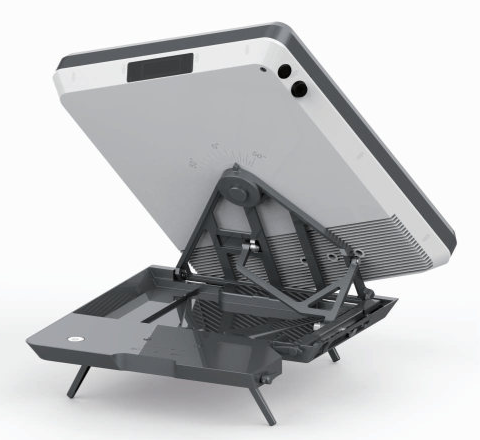
Flat Portable Satellite Terminal 0.35m Aperture Manual Portable Terminal
China Starwin Science & Technology Co., Ltd.

Multi-function Marine Monitoring Low-altitude Detection Radar Sea-air Boundary Ocean Dynamic Environment Measurement
Chengdu Dixin Technology Co., Ltd.