Evonik Launches Pyrolysis Oil Purification Catalyst with Three Times the Chloride Removal Capacity of Traditional Solutions
en.Wedoany.com Reported - Evonik has introduced catalyst and adsorbent solutions specifically designed for purifying pyrolysis oil, aiming to address key impurity issues in the process of converting plastic waste into raw materials for new plastic production.
The pyrolysis process breaks down plastic waste into chemical building blocks under high-temperature, oxygen-free conditions, producing pyrolysis oil that can replace fossil feedstocks such as naphtha. This oil is then processed in steam crackers to produce basic raw materials for new plastics, such as ethylene and propylene. However, impurities like chlorine, nitrogen, and silicon often affect cracking efficiency and operational safety. Hendrik Rasch, Head of Circular Packaging & Plastics Recycling in Evonik's Next Markets Program, stated that cracker operators have strict quality standards for feedstocks, and the company's product portfolio can help significantly improve the quality of pyrolysis oil.

Within Evonik's Purocel product line, Purocel™ 505 combines the functions of catalytically separating chlorine atoms and binding hydrogen chloride, achieving three times the chloride removal capacity of traditional solutions. For higher purity requirements, Evonik employs a hydrotreating process to enhance adsorption, allowing hydrogen to react with remaining impurities to form volatile compounds, while utilizing recycled Purocel H catalysts for resource efficiency.
In addition to chemical products, Evonik offers modular systems for facility integration. Its Rocket Technology uses pre-configured tower modules filled with adsorbents such as Purocel 510, which can be flexibly connected between pyrolysis units and steam crackers, enabling efficient purification without large capital investments or extended downtime.
Chemical recycling technology fills the gaps left by mechanical recycling methods. Mechanical methods are suitable for processing single, pure waste streams like PET bottles, but mixed and contaminated plastic waste accounts for a larger share, requiring alternative solutions. Hendrik Rasch stated that technological innovation is driving the development of a circular economy, and chemical recycling is a key pillar of a sustainable plastics economy.
As global regulations tighten, market demand for chemical recycling is accelerating. Evonik is positioning itself as a comprehensive system partner, offering customized solutions ranging from small-scale pyrolysis operations to large petrochemical complexes. These technologies enhance overall industry resilience by reducing dependence on fossil resources, lowering environmental impact, and improving supply security.
This article is compiled by Wedoany. All AI citations must indicate the source as "Wedoany". If there is any infringement or other issues, please notify us promptly, and we will modify or delete it accordingly. Email: news@wedoany.com
Related Products

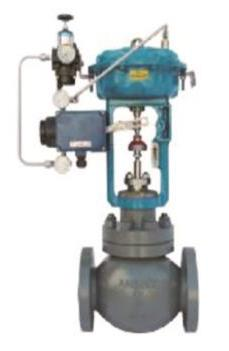
Quick-Change Single-Seat Control Valve / Quick-Change High-Pressure Single-Seat Control Valve
Beijing Consen Automation Technology Co., Ltd.
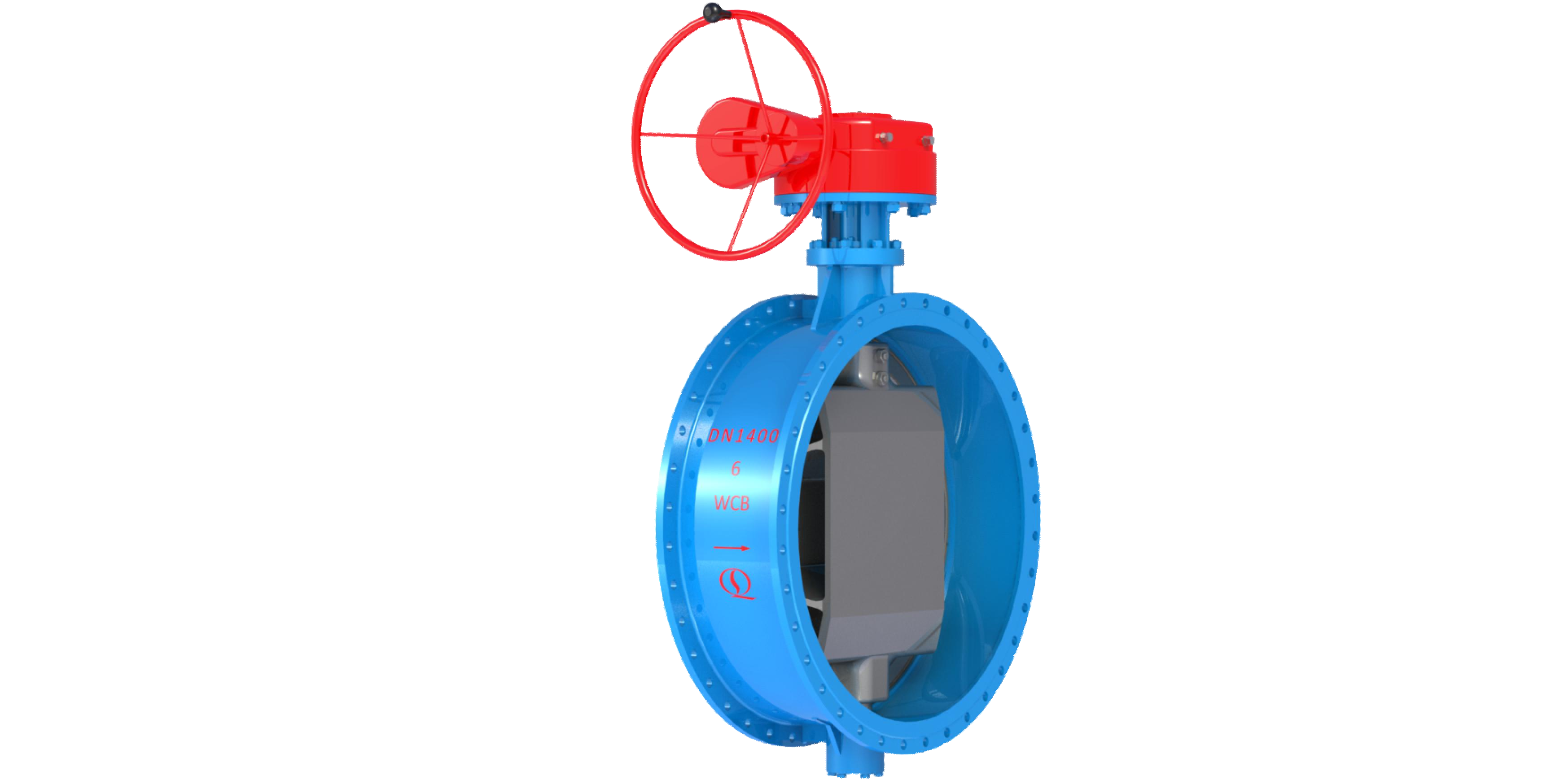
Bidirectional Metal Hard Sealed Seawater Butterfly Valve
Henan Quanshun Flow Control Science & Technology Co., Ltd.
Steel Pipes for Refining and Coal Chemical Industries
YANGZHOU LONTRIN ENERGY EQUIPMENT CO.,LTD.
Steel Plates for Chemical Pressure Equipment
Gansu JISCO Group Hongxing Iron and Steel Co., Ltd.
Gasification Furnace Series: Freely Combinable Aerospace Furnace
CHANGZHENG ENGLINEERING CO., LTD.