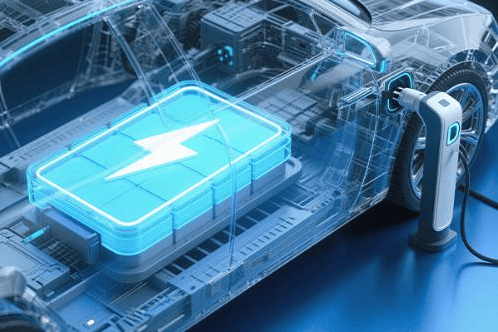
en.Wedoany.com Reported - German energy optimization service provider 1Komma5° announced that its virtual power plant has achieved the capability to temporarily shift 1 gigawatt (GW) of electricity, with this flexible regulation capacity coming from its residential customers' distributed energy equipment, including photovoltaic systems, battery storage systems, heat pumps, and wall-mounted charging boxes. 1 GW of electricity is roughly equivalent to one-eightieth of Germany's maximum power demand.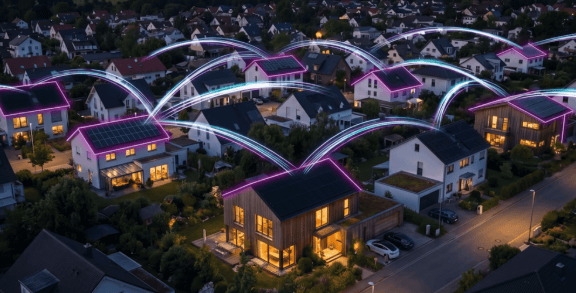
In the energy transition, flexibility of the power system is a key challenge. Through its Heartbeat AI platform, 1Komma5° manages the energy systems of over 100,000 prosumers (referred to by the company as "subscribers"). Users' home electrical devices are integrated into the virtual power plant, allowing Heartbeat AI to temporarily shift electricity loads, meeting demand during low-price periods or using self-generated solar power, and selling electricity to the grid through direct marketing during high-price periods. CEO Schröder stated in an interview with pv magazine that this approach allows households to avoid peak electricity prices while reducing grid burden.
Under 1Komma5°'s subscription model, customers pay a fixed monthly fee for optimization services. The company has begun opening the Heartbeat AI system to facilities not directly installed by it, in order to scale up. Schröder explained that the strategy is divided into three phases: first, electrify households and internally control the energy chain; second, digitize and automate these processes; and finally, open the platform to third parties. External installers can now offer energy managers to their customers and access optimization services via Heartbeat AI, with a monthly fee of €14.99, the same as for 1Komma5°'s internal installer customers. Users with compatible components can also purchase a small "Heartbeat" unit for self-installation, with the company offering a money-back guarantee. For example, among Germany's approximately 4.5 million photovoltaic systems, about 5% corresponding to Kostal systems can immediately use Heartbeat AI. The company aims to achieve 20 GW of manageable flexible electricity by 2030.
Schröder believes that direct marketing and the end of feed-in tariffs will make this model more important. He advocates that electricity generated by small photovoltaic systems should be directly marketed like that from large power plants, but acknowledges significant issues in current administrative processes and communication with grid operators. He suggests retaining the market premium model to compensate for high process costs, while noting that energy policy must ensure grid operators do not hinder the development of direct marketing. Schröder stated that the industry has an opportunity to shift from state subsidies with incorrect price signals to a model where the market defines correct signals, and that multiple suppliers already offer such open solutions.
This article is compiled by Wedoany. All AI citations must indicate the source as "Wedoany". If there is any infringement or other issues, please notify us promptly, and we will modify or delete it accordingly. Email: news@wedoany.com