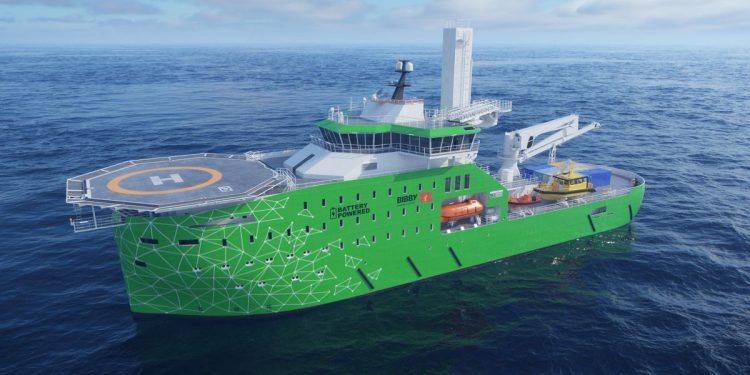
Permanent Magnet Direct Drive Generator Competition Is Shifting Toward Materials, System Integration and Lifecycle Service
en.Wedoany.com Reported - As wind turbines become larger, offshore wind development accelerates and renewable energy equipment continues to upgrade, the Permanent Magnet Direct Drive Generator is receiving growing attention. It affects not only power generation efficiency and drivetrain reliability, but also turbine weight, nacelle structure, maintenance cost and grid connection performance. For generator manufacturers and wind turbine OEMs, competition is moving from single product manufacturing toward integrated capability in materials, design, system integration and lifecycle service.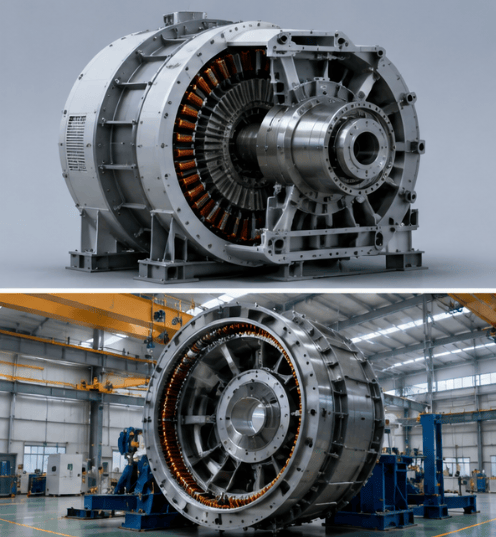
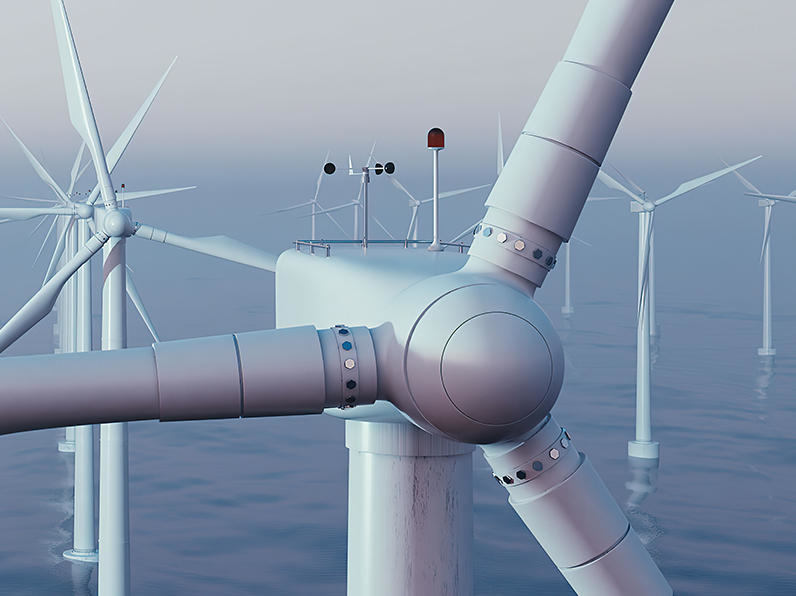
The advantage of a permanent magnet direct drive generator starts with drivetrain simplification. In conventional wind turbines, the gearbox is an important transmission component, but it is also a focus area for long-term maintenance. A direct drive solution reduces high-speed mechanical transmission stages, helping lower certain mechanical failure risks and improve energy conversion efficiency under low wind conditions. For offshore wind projects that are far from shore and costly to maintain, low-maintenance characteristics are especially attractive.
However, direct drive technology also faces engineering challenges. Because the generator directly handles low-speed, high-torque operation, it requires larger size, higher structural strength and careful mechanical design. As turbine capacity increases, generator lightweighting, high power density and reliable cooling become more important. If the generator is too heavy, nacelle, tower, lifting and foundation costs may increase. If cooling capacity is insufficient, generator efficiency and lifetime may be affected.
The supply of rare earth permanent magnet materials is an important variable in the value chain. High-performance magnets are usually required for permanent magnet direct drive generators. Material cost, supply stability and magnetic performance consistency all influence product competitiveness. As global renewable energy equipment demand grows, supply chain coordination among magnet material producers, generator manufacturers and turbine OEMs becomes increasingly important.
System adaptation determines whether the generator can deliver real project value. The generator must be designed together with the rotor, main shaft, bearings, power converter, cooling system, control system and nacelle structure. Evaluating generator efficiency alone is not enough. Project owners must also consider turbine energy yield, availability, failure rate and maintenance convenience.
Intelligent maintenance is becoming a new competitive factor. Online monitoring of temperature, vibration, bearing condition, insulation condition, air-gap change, cooling system performance and electrical parameters can help operators identify fault trends earlier and reduce unplanned downtime. Offshore wind farms and remote wind projects especially require remote diagnosis and predictive maintenance because each site visit may involve high vessel, labor and downtime costs.
In overseas markets, permanent magnet direct drive generators must also adapt to different grid standards, climate conditions, transport constraints and certification requirements. Cold regions, deserts, typhoon areas, salt spray and high humidity all create different requirements for protection and operational stability. Suppliers that want to participate in international wind projects need global delivery capability, quality certification and localized service support.
In the future, permanent magnet direct drive generators will continue to upgrade toward larger capacity, lighter weight, higher reliability and digital operation. True competitiveness will come from system capability across material supply, core manufacturing, turbine-level coordination, intelligent monitoring and lifecycle service.
Overall, permanent magnet direct drive generators are becoming important support for wind power equipment upgrading. As renewable energy projects move from scale expansion toward high-quality operation, companies with stable supply chains, strong system adaptation and long-term service capability will be better positioned in the global wind equipment market.
This article is compiled by Wedoany. All AI citations must indicate the source as "Wedoany". If there is any infringement or other issues, please notify us promptly, and we will modify or delete it accordingly. Email: news@wedoany.com
Related Products
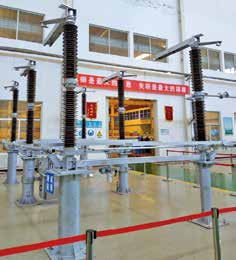

GW4-40.5/72.5/126/145/170/252/363/420 Series Double-column Horizontal Rotary High-voltage AC Disconnect Switch
SHANDONG TAIKAI DISCONNECTORS CO., LTD.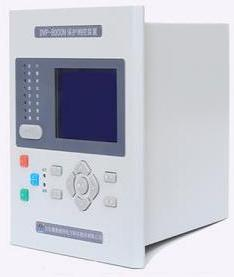
Microcomputer Protection and Substation Automation
Beijing Agent Devote Power Technology Development Co., Ltd.
CAP1400 main feedwater flow nozzle flowmeter.
Jiangsu Hongda Instrument Technology Co., LTD.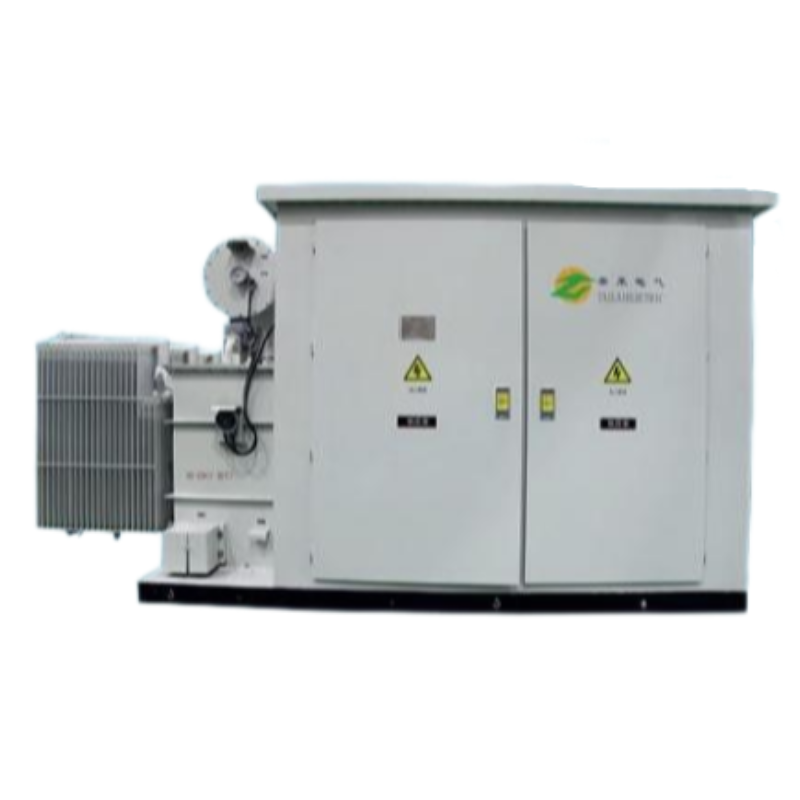
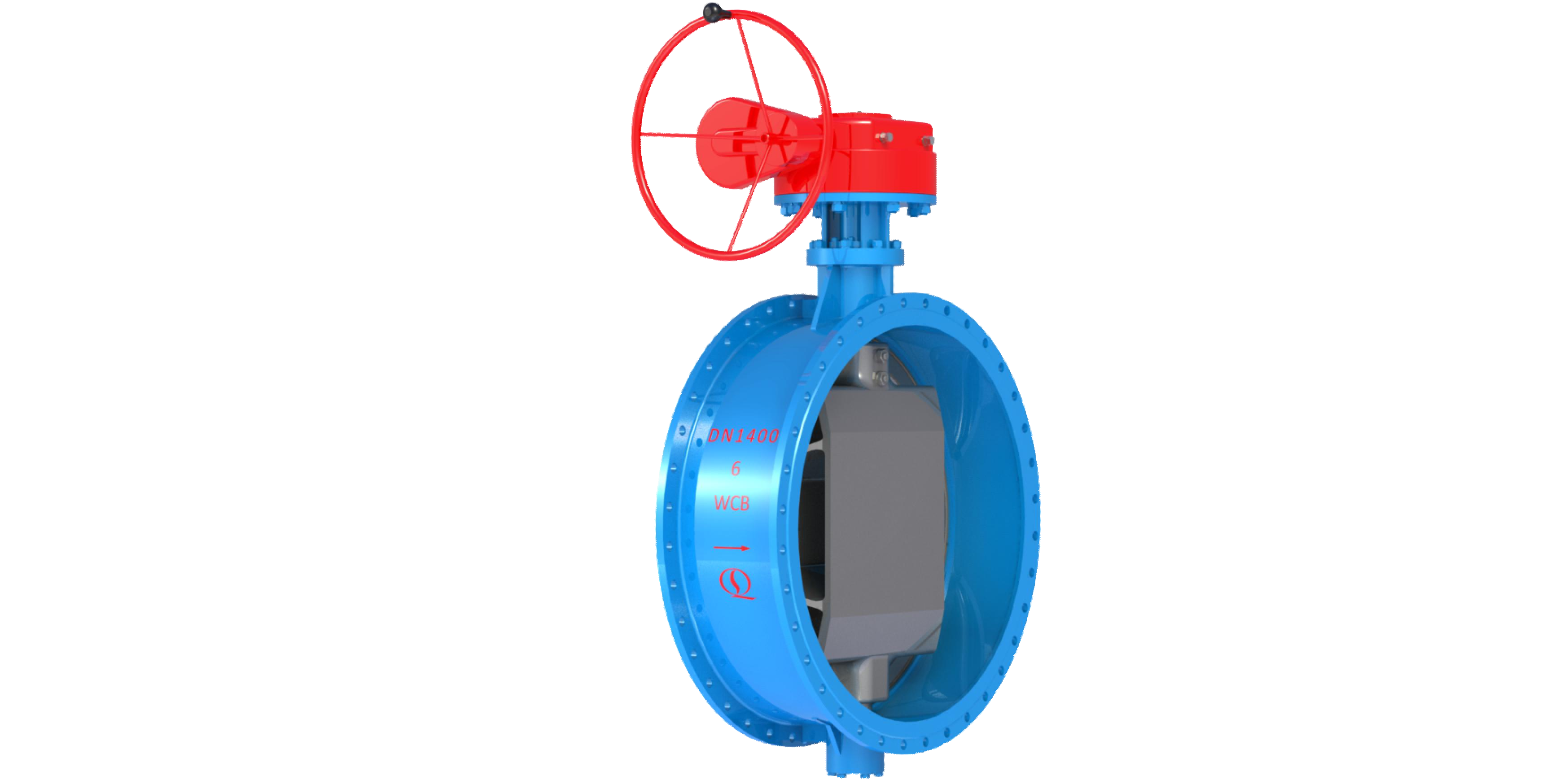
Bidirectional Metal Hard Sealed Seawater Butterfly Valve
Henan Quanshun Flow Control Science & Technology Co., Ltd.
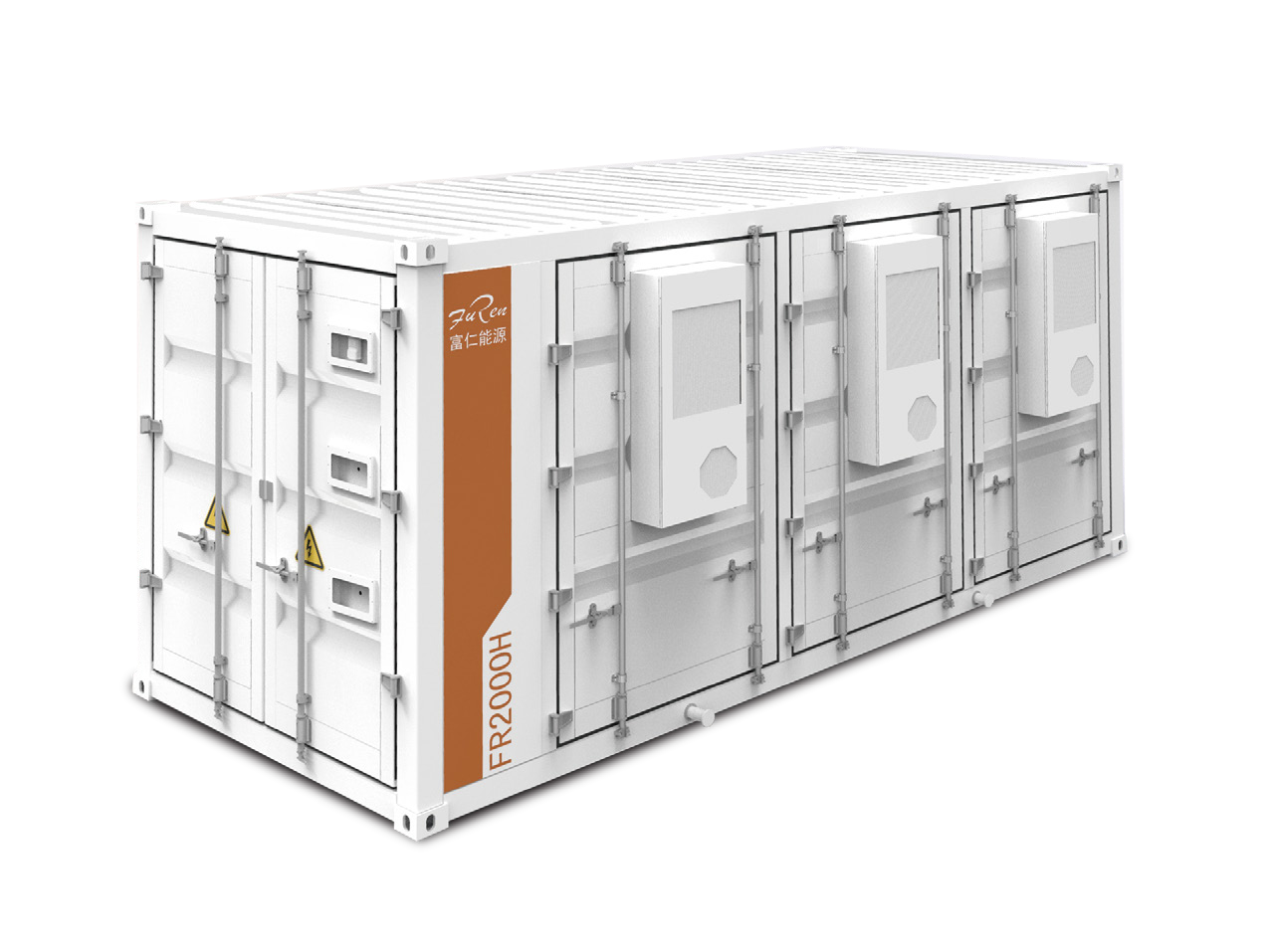
FR2000H 2.15MWh (Air-cooled) 20-foot Containerized Energy Storage System
Jiangyin Furen High-tech Co., Ltd.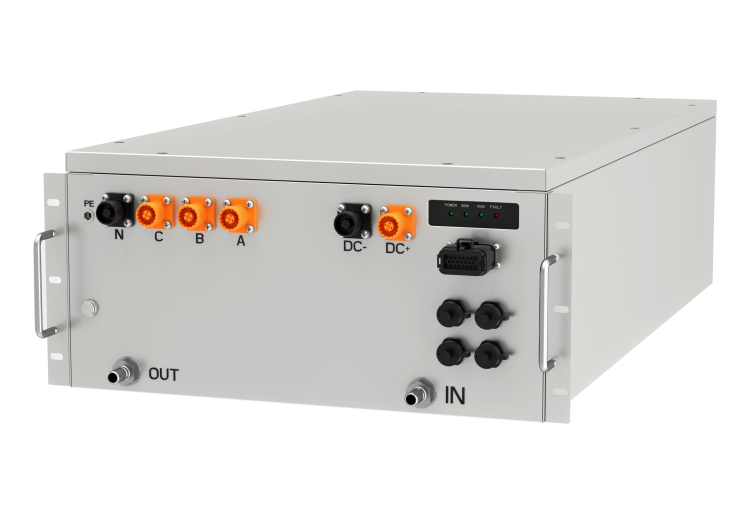
Mars (Liquid Cooling) Series Industrial and Commercial Energy Storage Converter High Protection Module
Shenzhen Winline Technology Co., Ltd.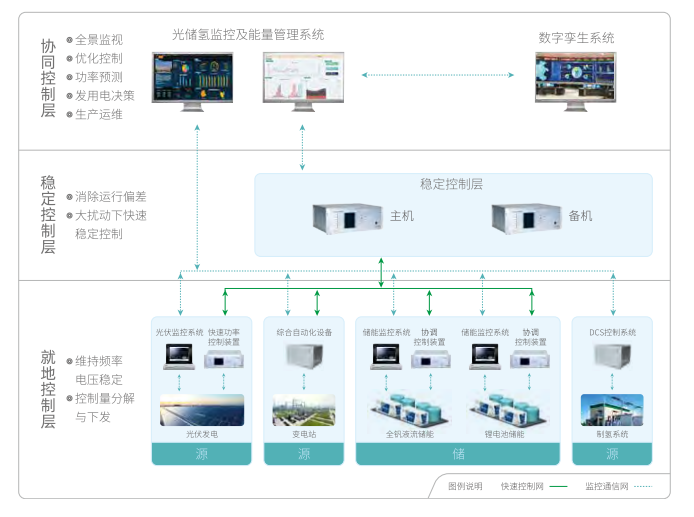
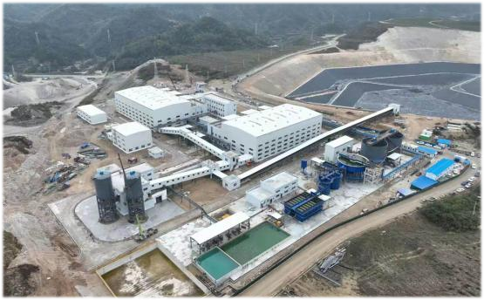
Yingping Mining Section Open-pit Tailings Backfill Treatment of Goaf Ecological Restoration EPC Project
China Bluestar Lehigh Engineering Corporation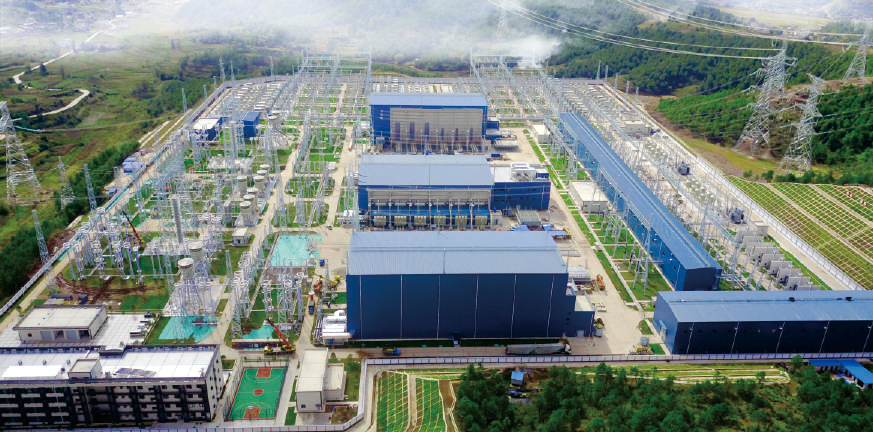
High-voltage Direct Current (HVDC) Transmission System Research and Integrated Design
XI'AN XD POWER SYSTEMS CO., LTD.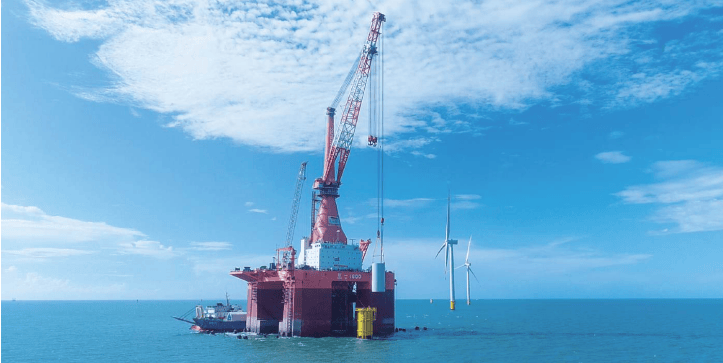
"Shunyi 1600" Deep-submerging Bottom-sitting Multi-functional Wind Power Engineering Vessel
Zhengli Offshore Engineering Co., Ltd.