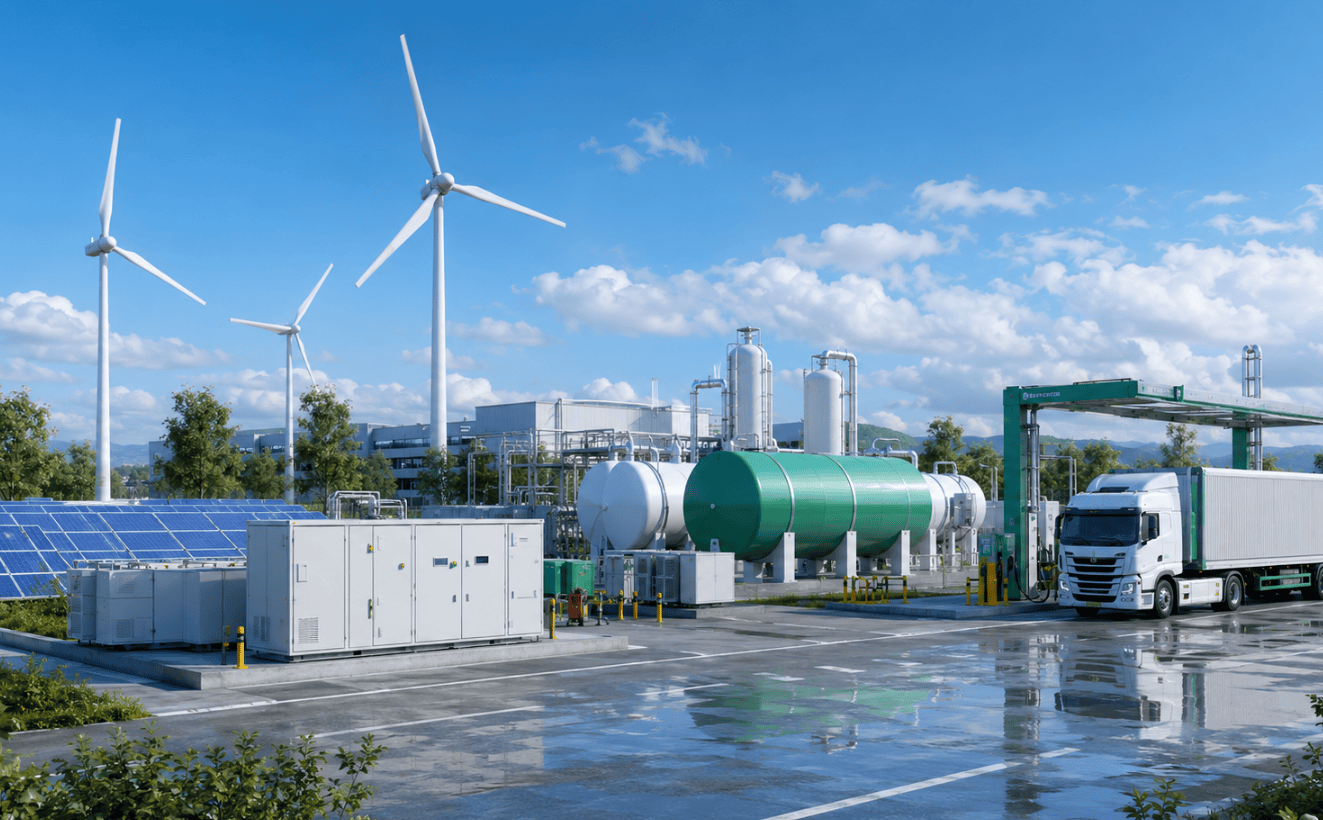
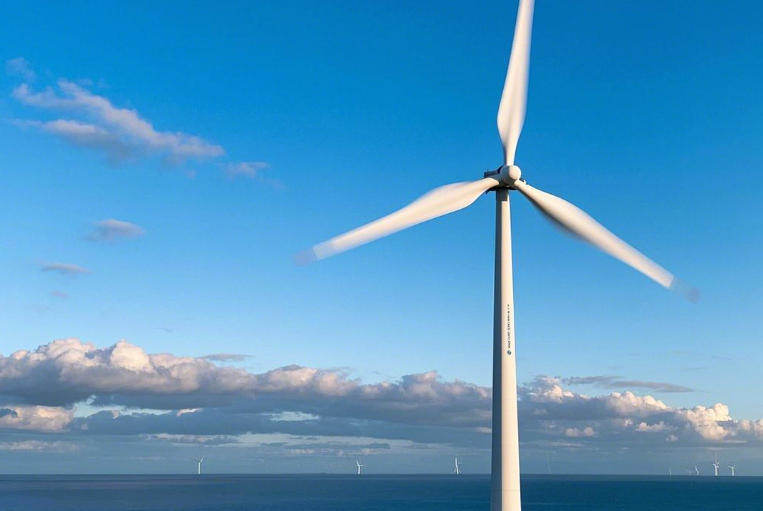
en.Wedoany.com Reported - Wind Solar Storage Hydrogen Integration refers to the coordinated planning and system integration of wind power, solar power, energy storage and green hydrogen production, storage, transportation and utilization. As renewable energy capacity expands, relying only on wind or solar generation is no longer enough to solve output fluctuation, grid absorption limits and energy use matching challenges. Integrated wind, solar, storage and hydrogen projects are becoming important directions for renewable energy bases, industrial parks, transport energy stations and green chemical projects.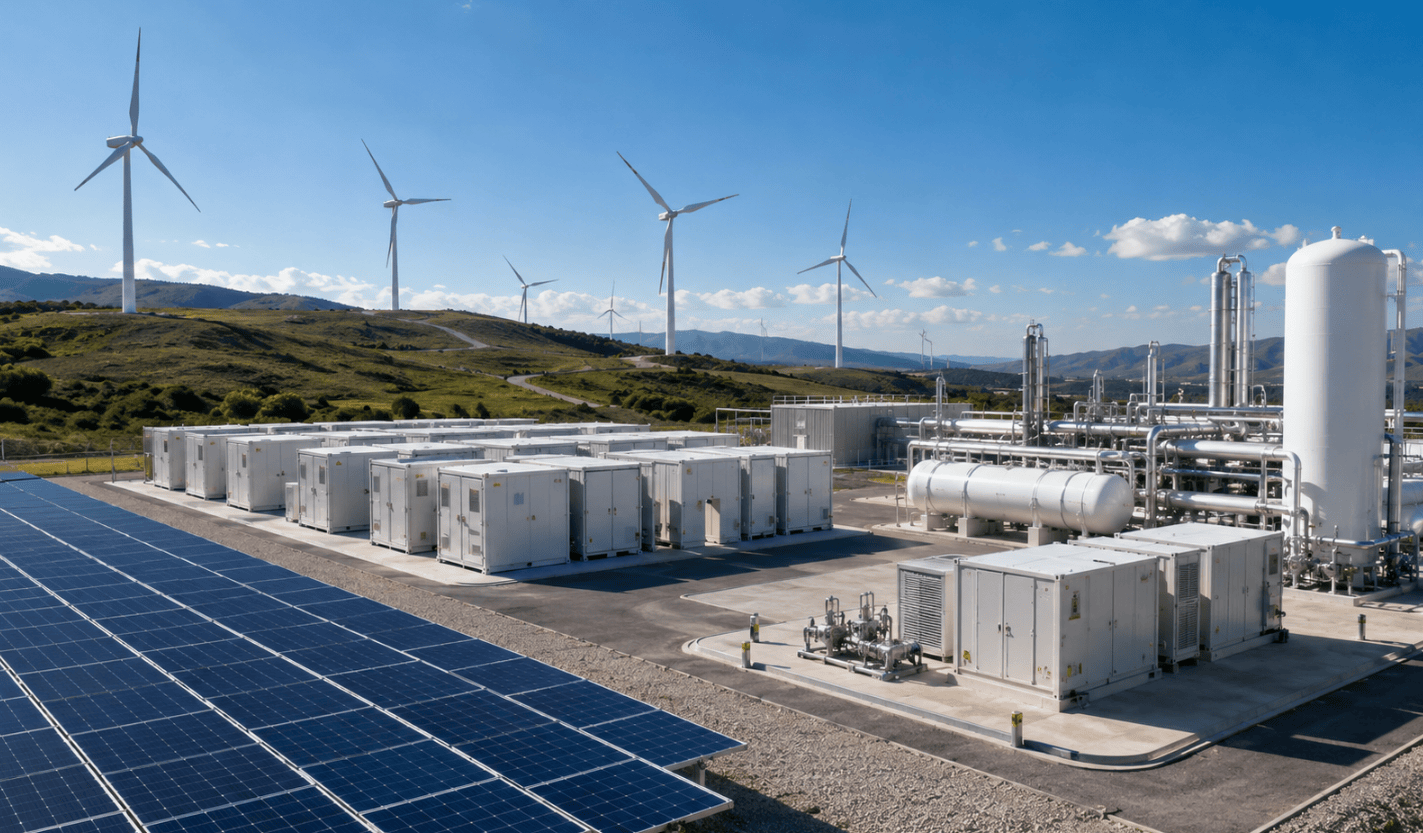
Wind and solar power have natural complementary characteristics. Wind output depends on wind speed, while solar output depends on sunlight. In different hours and seasons, the two can partially complement each other. However, even combined wind and solar projects still face variability and uncertainty. Energy storage systems can smooth power fluctuations over short and medium time scales, supporting peak shaving, frequency regulation, reserve power and grid stability.
Hydrogen further expands the value boundary of renewable energy. When wind and solar generation produces surplus electricity, electrolysis can convert electricity into hydrogen for storage and later use. Hydrogen can be used as an industrial feedstock, transport fuel, gas blending material, ammonia input, methanol feedstock, refining hydrogen source and metallurgical energy carrier. Compared with electricity-only storage, green hydrogen allows renewable energy to be converted across longer time scales and wider industrial chains.
The core of wind solar storage hydrogen integration is not simply putting several types of equipment together. It requires system-level optimization. Project developers need to consider wind and solar resource conditions, grid access capacity, electrolyzer load characteristics, storage capacity, hydrogen demand scenarios, water availability, land resources, power distribution configuration and safety management.
If a project only builds the generation side but lacks stable hydrogen demand or grid absorption capacity, it may struggle to form a long-term economic closed loop. This makes demand-side planning as important as energy-side construction.
Industrial parks are important application scenarios. They often have stable electricity loads and industrial hydrogen demand, especially in chemicals, refining, metallurgy, glass, building materials and heavy-duty logistics. By combining distributed solar, wind power, storage, water electrolysis and hydrogen use, industrial parks can reduce dependence on fossil energy, increase green power utilization and support low-carbon transformation.
Renewable energy bases are another important application area. Some large wind and solar bases are located in resource-rich regions with limited grid export capacity. If all electricity depends on long-distance transmission, curtailment pressure may occur. By adding storage and hydrogen production systems, part of the electricity can be converted locally into green hydrogen or green chemical products, improving local energy conversion and supporting regional industrial development.
In the future, wind solar storage hydrogen integration will place more emphasis on intelligent dispatching and lifecycle economics. Renewable generation forecasting, battery charge-discharge strategies, electrolyzer control, hydrogen storage and transportation planning and power market participation need to be coordinated through energy management systems.
Overall, wind solar storage hydrogen integration represents the transition of renewable energy from power generation projects to energy systems and industrial platforms. As demand for green electricity, green hydrogen and low-carbon industry continues to grow, projects that coordinate wind-solar complementarity, storage regulation, green hydrogen conversion and end-use consumption will play a growing role in the energy transition.
This article is compiled by Wedoany. All AI citations must indicate the source as "Wedoany". If there is any infringement or other issues, please notify us promptly, and we will modify or delete it accordingly. Email: news@wedoany.com