en.Wedoany.com Reported - Ternary Lithium Battery technology is an important battery route used in new energy vehicles, energy storage systems, electric tools, electric construction machinery, vessel electrification and high-end consumer electronics. Its cathode materials usually contain nickel, cobalt and manganese, or nickel, cobalt and aluminum. Compared with some other lithium battery systems, ternary lithium batteries have advantages in energy density, low-temperature performance and power output, making them suitable for applications that require long range, compact layout and strong dynamic performance.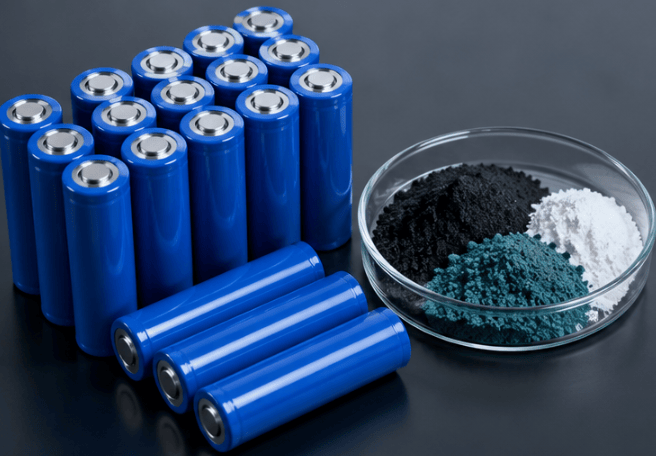
In the new energy vehicle sector, ternary lithium batteries are especially important. Passenger vehicles often require longer driving range, lower battery pack weight, faster charging response and better power performance. With higher energy density per unit mass, ternary lithium batteries can provide more energy within limited battery pack space, helping improve vehicle range. For mid- to high-end models, long-range vehicles and selected performance vehicles, this battery route continues to have strong application value.
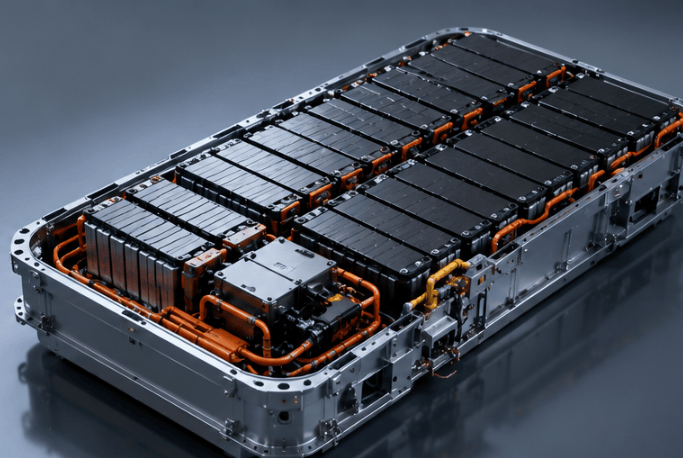
However, the competitiveness of ternary lithium batteries does not depend only on the cell itself. Battery pack structure, thermal management, battery management systems, module connection, fire protection design and vehicle control strategies all influence real system performance. Even when cells have high energy density, insufficient thermal control, weak BMS strategies or poor system protection may affect safety and long-term reliability.
Safety management is a central issue in ternary lithium battery applications. Ternary cathode materials are relatively active and can be sensitive to temperature, overcharge, external impact and internal short circuit. Battery system design therefore needs to focus on thermal runaway warning, temperature balancing, insulation monitoring, overcharge protection, crash protection and thermal propagation prevention. The safety of modern ternary lithium battery systems is not achieved by one material alone. It depends on the coordination of cells, structure, thermal management, BMS and the whole vehicle or system platform.
The industrial chain of ternary lithium batteries is long. It involves key raw materials such as nickel, cobalt and lithium, as well as cathode materials, electrolyte, separators, anode materials, cell manufacturing, battery pack integration and recycling. Raw material price fluctuations, resource supply stability and recycling system development all influence cost and competitiveness. High-nickel ternary materials can improve energy density, but they also create higher requirements for material stability, manufacturing process and quality control.
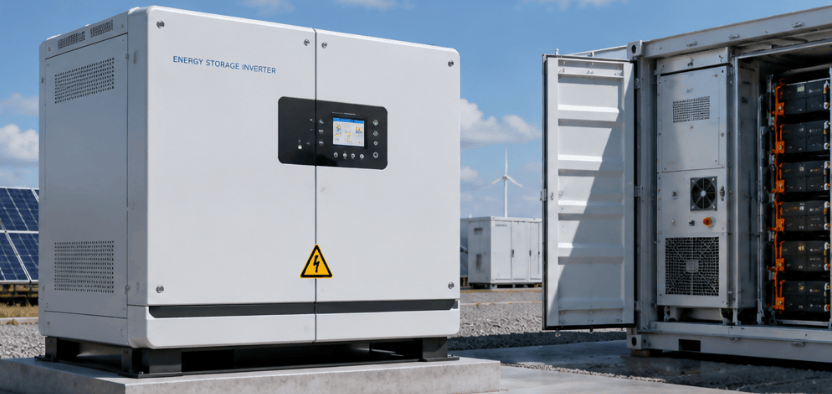
In energy storage, ternary lithium batteries also have application potential, but project owners need to select them according to specific use cases. They may be suitable for systems requiring compact size, lighter weight and strong power response. However, for long-duration storage, large-scale stationary storage or applications with very strict safety requirements, lifetime, cost, safety and maintenance requirements must be carefully compared.
In the future, ternary lithium battery development will focus more on balancing high safety, high energy density, long lifetime and lower cost. Material companies need to improve cathode stability. Cell manufacturers need to improve consistency and yield. System integrators need stronger thermal management and safety strategies. Vehicle and energy storage companies need to optimize battery operating boundaries according to real working conditions.
Overall, ternary lithium batteries remain an important technology route in the lithium battery industry. As new energy vehicles, intelligent equipment and high-end energy storage scenarios continue to develop, ternary lithium battery solutions with high energy density, strong safety design, system integration and recycling capability will continue to play an important role in high-performance electrification markets.
This article is compiled by Wedoany. All AI citations must indicate the source as "Wedoany". If there is any infringement or other issues, please notify us promptly, and we will modify or delete it accordingly. Email: news@wedoany.com