en.Wedoany.com Reported - As the number of Commercial and Industrial Energy Storage projects increases, market competition is moving from equipment price competition toward safety capability, system integration and long-term operational revenue. For industrial users, commercial property owners, park operators and energy service companies, the purpose of building an energy storage system is not simply to install battery equipment. It is to create an energy asset that can operate safely, optimize energy use and generate stable value over time.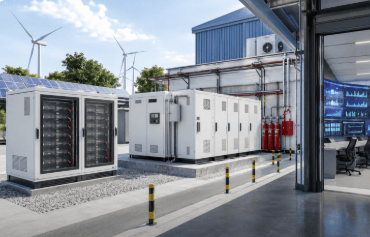
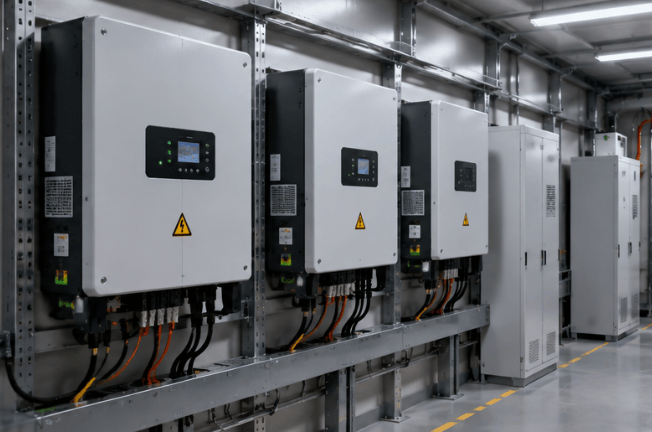
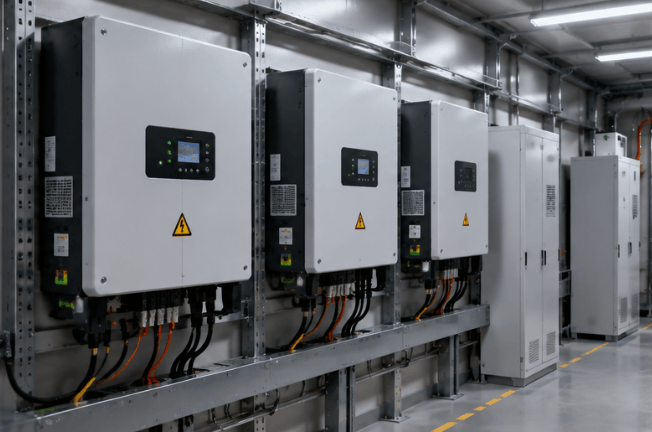
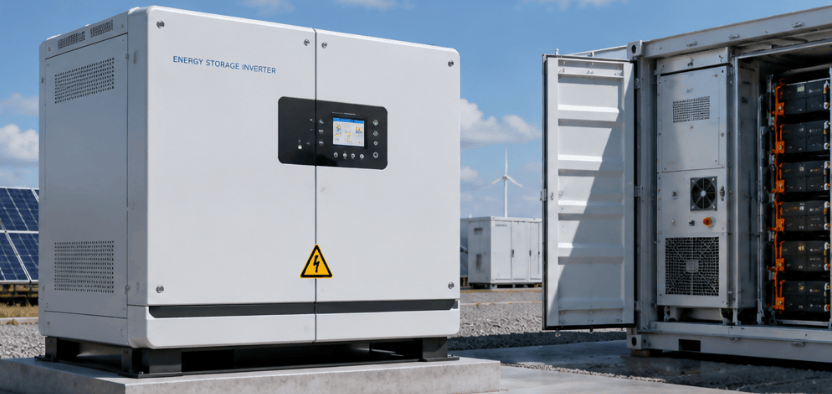
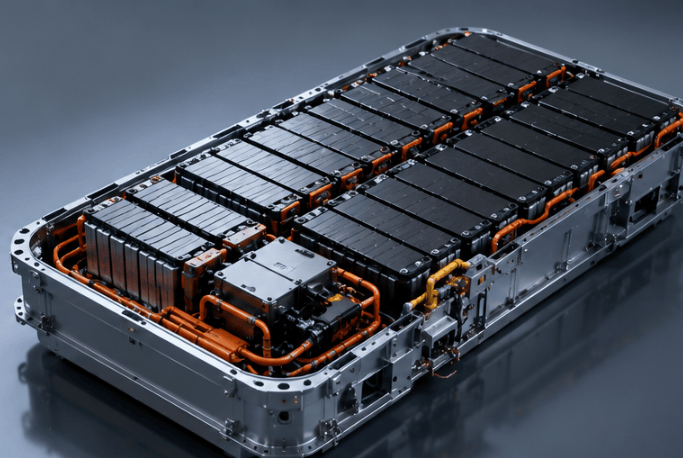
Safety is the first requirement for C&I storage projects. A typical system includes battery clusters, battery management systems, power conversion systems, DC combiner units, AC grid cabinets, thermal management systems, fire protection systems and energy management systems. Thermal runaway, insulation faults, short circuits, overcharge, over-discharge, cooling failure and insufficient fire protection can all create serious risks. Project design must therefore consider cell quality, battery cluster structure, electrical isolation, thermal control, fire protection linkage and emergency response.
The integration complexity of commercial and industrial energy storage is high. Storage systems do not operate in isolation. They need to connect with enterprise distribution systems, photovoltaic systems, charging piles, load control systems and energy management platforms. PCS capacity, battery capacity, grid connection point, protection configuration, metering method and communication protocol must match site conditions.
If integration design is weak, projects may face unreasonable charge-discharge strategies, incorrect protection actions, unstable communication or inaccurate revenue calculation. This makes system engineering capability as important as equipment supply.
Operational revenue determines whether a project is sustainable. Common revenue sources include peak-valley arbitrage, demand charge reduction, photovoltaic self-consumption, backup power, dynamic capacity expansion, power market participation and demand response. Policies, tariff structures and grid connection rules vary by region, so the economics of the same storage capacity may differ greatly across projects.
Before investment, project owners should calculate returns based on real load data and local electricity pricing rules rather than applying a general model. A reliable business model should include charge-discharge frequency, battery degradation, operating cost, tariff changes and policy uncertainty.
Operation and maintenance capability is becoming a major quality differentiator. After commissioning, storage systems require continuous monitoring of battery temperature, SOC, SOH, cell consistency, insulation status, PCS operation, fire protection and charge-discharge efficiency. Data platforms can support fault warning, strategy adjustment and performance evaluation, improving system utilization and reducing unplanned downtime.
Lifecycle cost also needs attention. Battery degradation, cycle life, cooling energy use, fire system maintenance, PCS replacement, software services and end-of-life recycling all affect long-term returns. If only initial investment is considered, later maintenance cost and capacity fade risk may be underestimated.
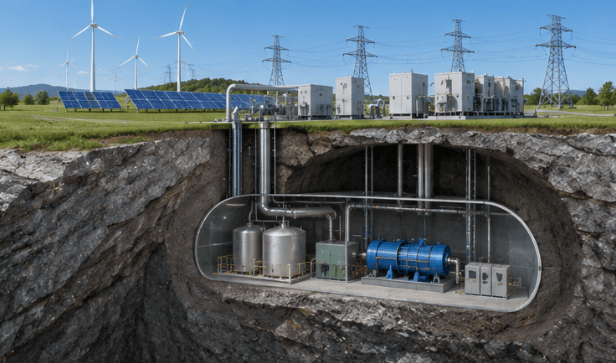
In the future, commercial and industrial energy storage will develop toward integrated solutions combining photovoltaics, storage, charging, microgrids and energy management. In industrial parks and large commercial complexes, storage may not only reduce electricity cost, but also support green power consumption, carbon management, emergency backup and virtual power plant dispatching.
Overall, the core competitiveness of C&I energy storage projects does not lie in the price of a single battery cabinet. It lies in the combined capability of safety, revenue and long-term service. Companies with load analysis, system design, safety integration, intelligent dispatching and maintenance service capabilities will be better positioned in the commercial and industrial energy storage market.
This article is compiled by Wedoany. All AI citations must indicate the source as "Wedoany". If there is any infringement or other issues, please notify us promptly, and we will modify or delete it accordingly. Email: news@wedoany.com