en.Wedoany.com Reported - As new energy vehicles, power batteries and energy storage industries continue to develop, the Ternary Lithium Battery value chain is moving from rapid expansion toward a new stage that emphasizes quality, cost, safety and circular utilization. For battery manufacturers, material suppliers, vehicle companies and energy project owners, competition is no longer only about cell-level energy density. It is increasingly about material systems, manufacturing processes, system safety, supply chain stability and lifecycle management.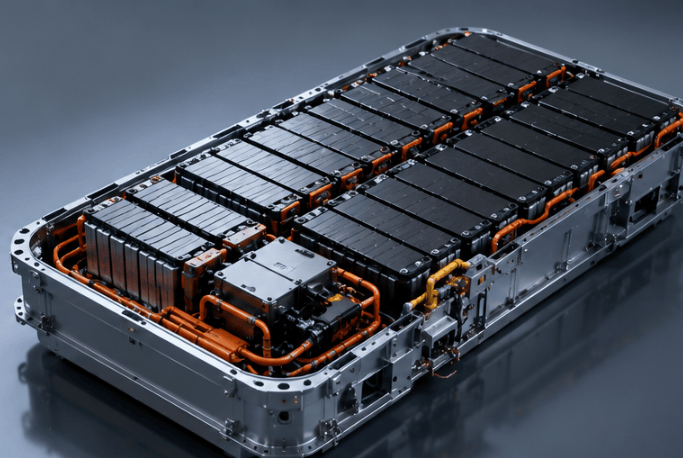
The core of a ternary lithium battery lies in its cathode material system. Nickel helps improve energy density. Cobalt supports structural stability. Manganese or aluminum contributes to cost control, structural performance and safety. As demand for longer driving range and higher energy density increases, high-nickel ternary materials have received more attention. However, higher nickel content also increases challenges related to thermal stability, residual surface alkali, gas release, cycle life and manufacturing control.
Manufacturing consistency is the foundation of stable battery performance. A power battery system usually consists of many cells connected in series and parallel. If cell capacity, internal resistance, rate performance or self-discharge levels vary significantly, the performance and lifetime of the entire battery pack may be affected. Processes such as slurry mixing, coating, calendaring, slitting, winding or stacking, electrolyte filling, formation and grading must be tightly controlled. In high-end applications, consistency may be more important than the peak performance of a single cell.
Safety is becoming a baseline requirement for market competition. Because ternary lithium batteries have high energy density, battery packs must have reliable thermal management, structural protection, insulation monitoring, fault warning and thermal propagation suppression. Liquid cooling, heat insulation materials, flame-retardant design, pressure relief channels and BMS algorithms are all important parts of system-level safety. In the future, battery companies cannot rely only on cell specifications. They must demonstrate complete system safety capability.
Cost control is also a key issue. Ternary lithium batteries depend on nickel, cobalt and lithium resources, and raw material price fluctuations can affect battery cost. To reduce cost and improve supply chain resilience, companies are optimizing material formulas, improving production processes, expanding manufacturing scale, developing recycling channels and strengthening supply chain collaboration.
Recycling systems will become important support for long-term development. Retired power batteries contain valuable metals such as nickel, cobalt and lithium. Through second-life use and material recovery, companies can reduce resource dependence and improve circular efficiency. For ternary lithium batteries, recycling value is relatively significant, which makes cooperation among battery manufacturers, material companies and recycling enterprises increasingly important.
In global markets, ternary lithium battery companies also need to address certification, transportation, safety regulations and localization requirements. Different countries and regions may have different rules for battery safety, carbon footprint, recycling responsibility and product traceability. Companies that want to participate in overseas electric vehicle, energy storage and industrial electrification projects must improve compliance and international delivery capability.
Overall, the ternary lithium battery industry is entering a stage of full-chain capability competition. Future leaders will need not only high-performance materials and cell manufacturing capability, but also system safety design, cost control, recycling loops and global service capability. For downstream customers, selecting a ternary lithium battery solution means selecting a long-term reliable energy system capability.
This article is compiled by Wedoany. All AI citations must indicate the source as "Wedoany". If there is any infringement or other issues, please notify us promptly, and we will modify or delete it accordingly. Email: news@wedoany.com