Alstom wins €57 million tram extension order in Le Mans, France; first unit to enter service in 2026
en.Wedoany.com Reported - The first Le Mans tram extended to 44 meters entered commercial service on May 10, just days before the 94th edition of the 24 Hours of Le Mans endurance race.
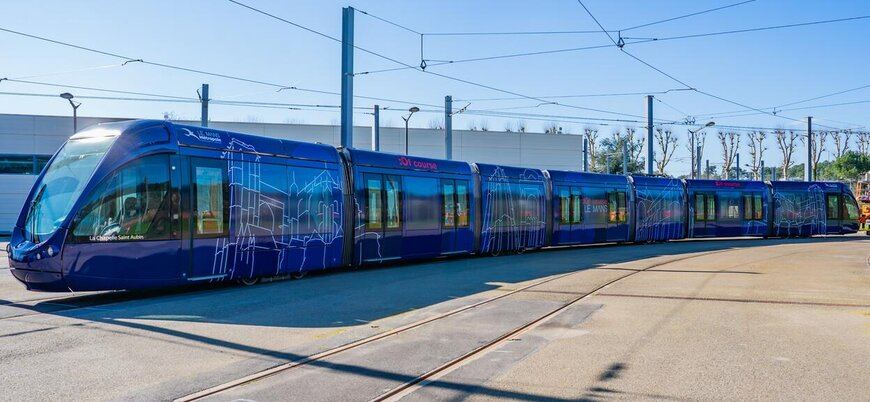
In 2024, Le Mans Métropole signed a framework agreement worth €57 million with Alstom to extend existing Citadis trams. The contract includes lengthening 34 trams from 32 meters to 44 meters and modernizing certain systems.
The first extended tram was delivered at the end of February 2026 and, after a testing phase, entered service on June 10. The project met the set deadlines, allowing the extended tram to be deployed before the 2026 24 Hours of Le Mans race.
The extension increases each tram's capacity by 85 passengers, a 40% improvement, bringing total capacity to 296 people. Two additional double doors were also installed on each side to facilitate boarding and alighting, especially for passengers with reduced mobility.
The project also includes the modernization of systems such as closed-circuit television and speed control centers, as well as the addition of new lubrication and anti-skid systems.
The extension strategy enhances network capacity without procuring new trains, reducing traffic impact and demonstrating the design flexibility of the Citadis platform.
The modification of the first tram was carried out at Alstom's La Rochelle plant. The remaining 33 trams will be extended at the Setram 1 workshop in Le Mans, executed by Alstom service teams from La Rochelle and Crespin. The project mobilized seven Alstom plants in France, including Le Creusot for bogies, Ornans for motors, Villeurbanne for onboard electronics, Aix-en-Provence for speed measurement devices, and Tarbes for cooling units and power modules.
The Citadis tram is eco-designed, with 92% recyclability and 99% reusability. Compared to previous generations, it reduces energy consumption and is equipped with air conditioning systems compliant with the latest environmental regulations. Alstom has sold over 3,000 trams of this series to 70 cities in 20 countries worldwide, accumulating over 1 billion kilometers in service and transporting 10 billion passengers.
This article is compiled by Wedoany. All AI citations must indicate the source as "Wedoany". If there is any infringement or other issues, please notify us promptly, and we will modify or delete it accordingly. Email: news@wedoany.com