Lodestar's First Hole in Chile Returns 0.77% Copper, Confirming IOCG System
en.Wedoany.com Reported - Lodestar Minerals has confirmed the presence of an IOCG-type mineralisation system in the first drill hole at the Three Saints project in Chile, with results revealing multi-element mineralisation anomalies.
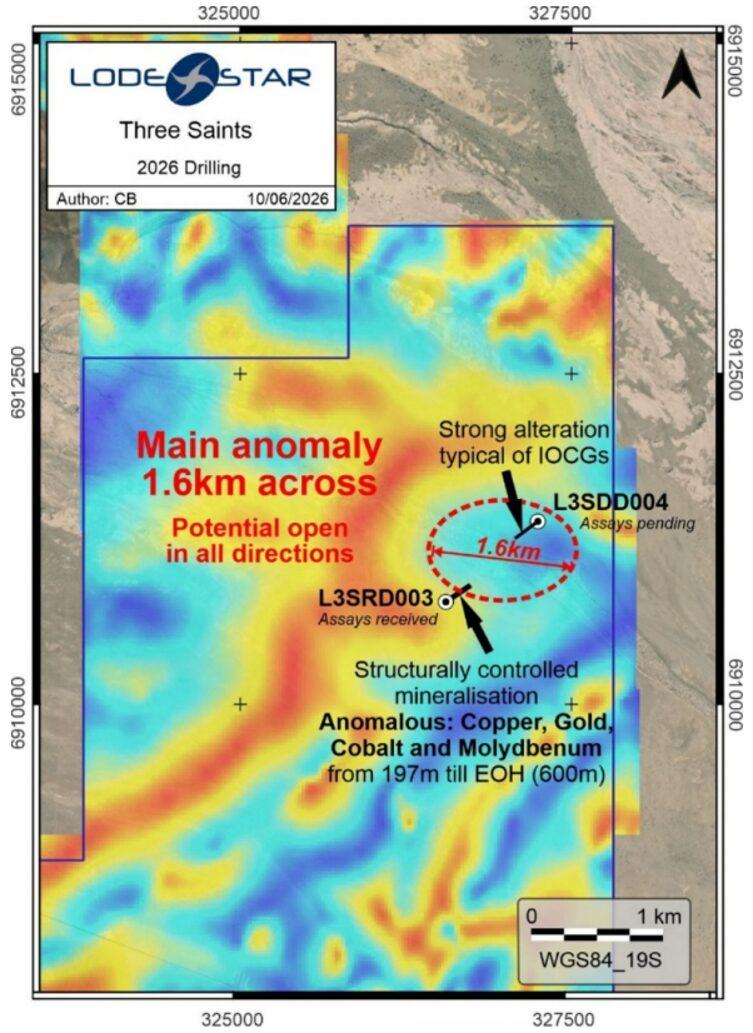
Assays from drill hole L3SRD003 returned copper grades of 0.77%, gold grades of 0.38 g/t, cobalt content of 449 ppm, and molybdenum content of 190 ppm. The mineralisation is interpreted to be structurally controlled, extending from a depth of 197 metres to the end of the hole at 600 metres, with multiple intervals of anomalous copper and gold mineralisation interspersed.
Lodestar Minerals (ASX:LSR) stated that copper, gold, cobalt, and molybdenum occur within multiple mineralisation events associated with IOCG and hydrothermal processes. The company added that the footprint of the Three Saints mineralisation system has extended into an interpreted geophysical anomaly zone with a diameter exceeding 1.6 kilometres. The target area remains open laterally and at depth, suggesting the potential scale of a large system. Assay results for the second diamond drill hole, L3SDD004, are still pending.
Lodestar CEO and Executive Director Coraline Blaud stated that the assay results confirm the visual mineralisation observed in drill hole L3SRD003. As the first hole completed at the Three Saints project, it strongly indicates the project's exploration potential and the likely scale of the mineralisation system. She noted that the assays confirm the presence of gold and cobalt associated with copper and iron, a geochemical signature consistent with IOCG-type mineralisation. The results also identified further mineralisation events associated with silica-rich veins carrying gold and variable amounts of copper and molybdenum, highlighting the complexity and richness of the system.
The widespread IOCG-type mineralisation throughout the hole, along with the presence of magnetite-rich alteration, copper-gold-cobalt mineralisation, and multiple hydrothermal events, suggests that drilling has penetrated the outer shell of a large, fertile mineralisation system. Lodestar believes that the core of the geophysical and alteration anomaly has yet to be tested, providing direction towards the interpreted core of the system, where higher-grade and more continuous mineralisation may develop.
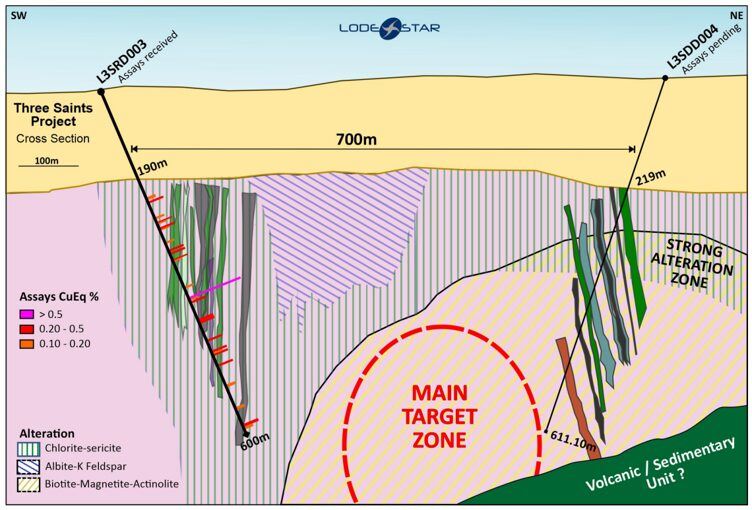
The company plans to use the drilling results to reprocess geophysical magnetic data in search of a higher-grade core. Blaud explained that multiple significant mineralisation intervals were intercepted throughout the hole, demonstrating the persistence of the mineralisation process over a considerable vertical extent. These results increase confidence in the exploration potential of Three Saints and support ongoing efforts to refine the geological model. The next steps will focus on reviewing and reinterpreting existing geophysical datasets, combined with new drilling geological information, with the goal of better defining mineralisation controls and targeting the system's core for the next drilling campaign.
Assay results for the next drill hole, L3SDD004, are expected within the next month and will provide further data to refine the geological interpretation of Three Saints. The improved model will form the basis for the next phase of exploration, focusing on delineating and drill-testing higher-priority targets.
This article is compiled by Wedoany. All AI citations must indicate the source as "Wedoany". If there is any infringement or other issues, please notify us promptly, and we will modify or delete it accordingly. Email: news@wedoany.com
Related Products

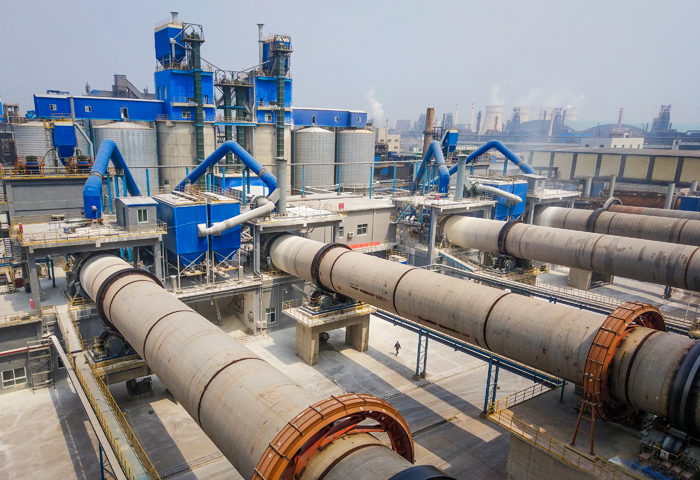
CITIC Heavy Industries Metallurgical Equipment Steel Smelting Engineering Equipment
CITIC Heavy Industries Co., Ltd.


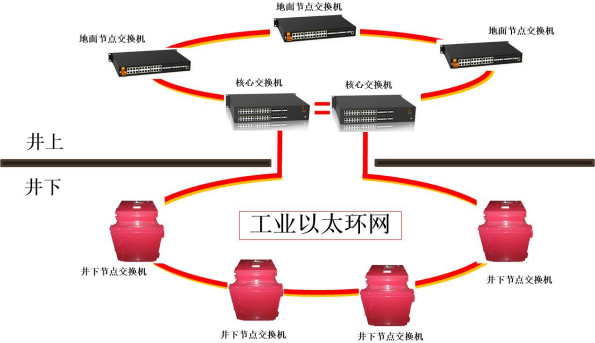
Mine Explosion-proof and Intrinsically Safe Industrial Ethernet Ring Network (10 Gigabit/Gigabit)
Chongqing Mas Sci&Tech Co., Ltd.
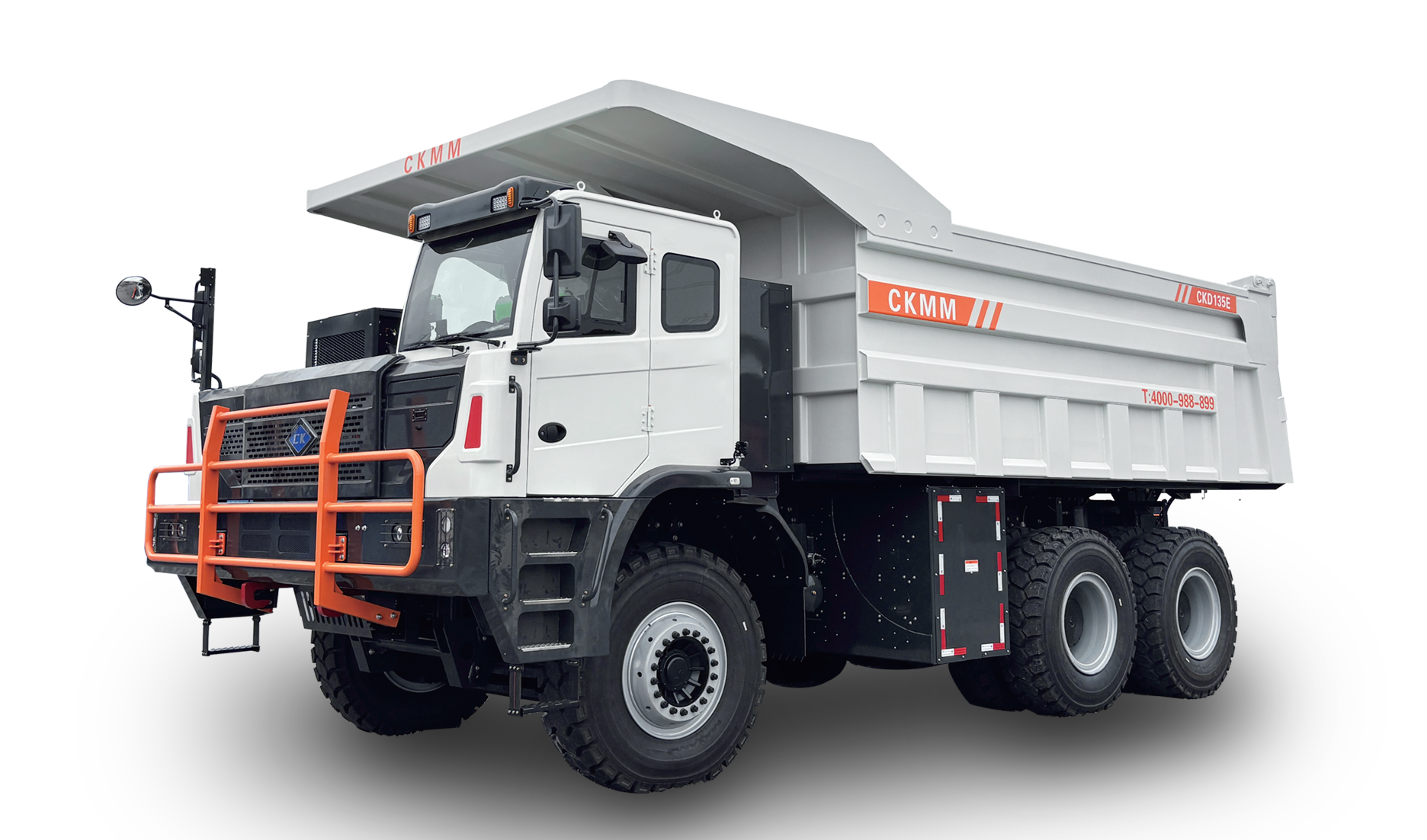
CKD135E Pure Electric Wide-body Dump Truck
Jiangsu Changkuang Engineering Machinery Co. Ltd.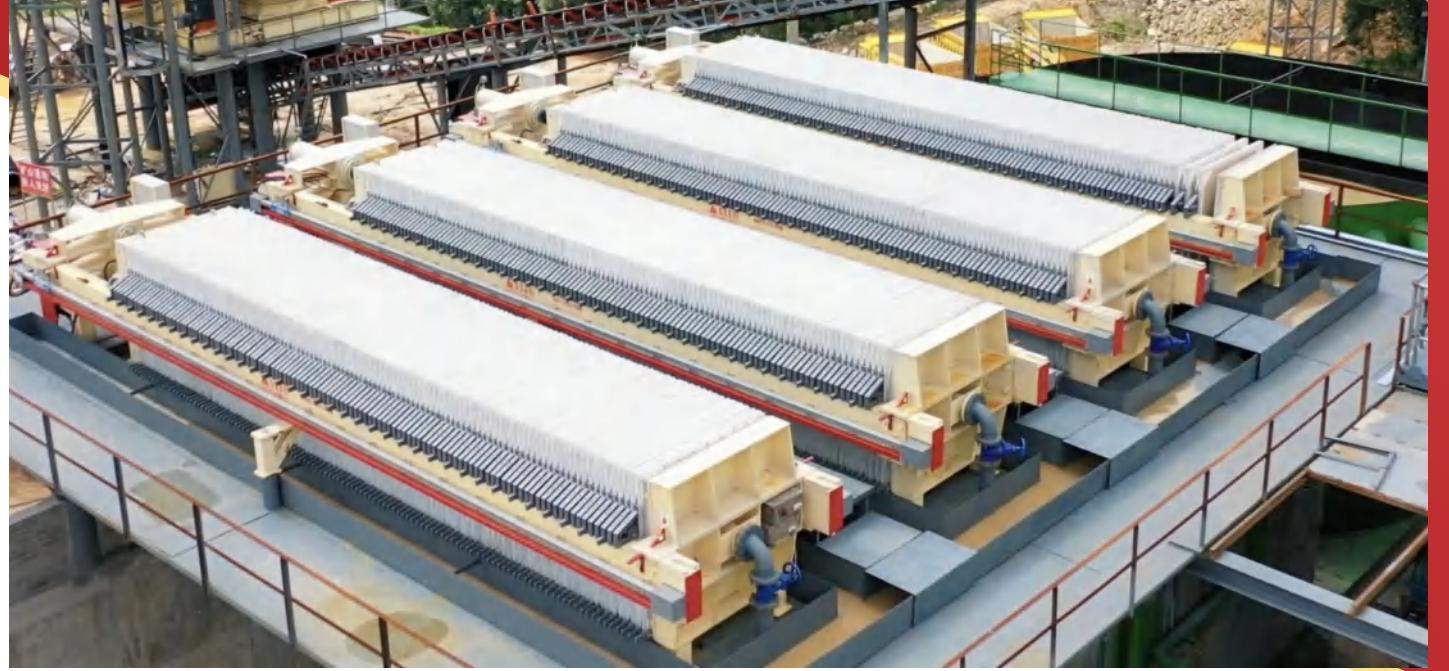
Hydraulic Plate and Frame Filter Press
Guangdong Leimeng Intelligent Equipment Group Co., Ltd.