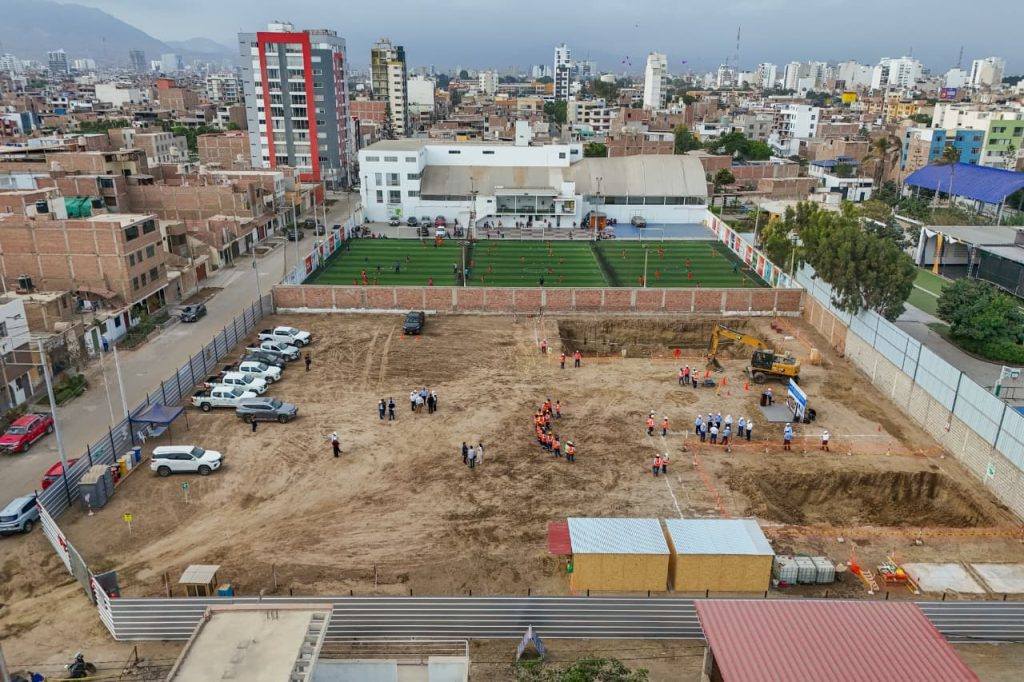
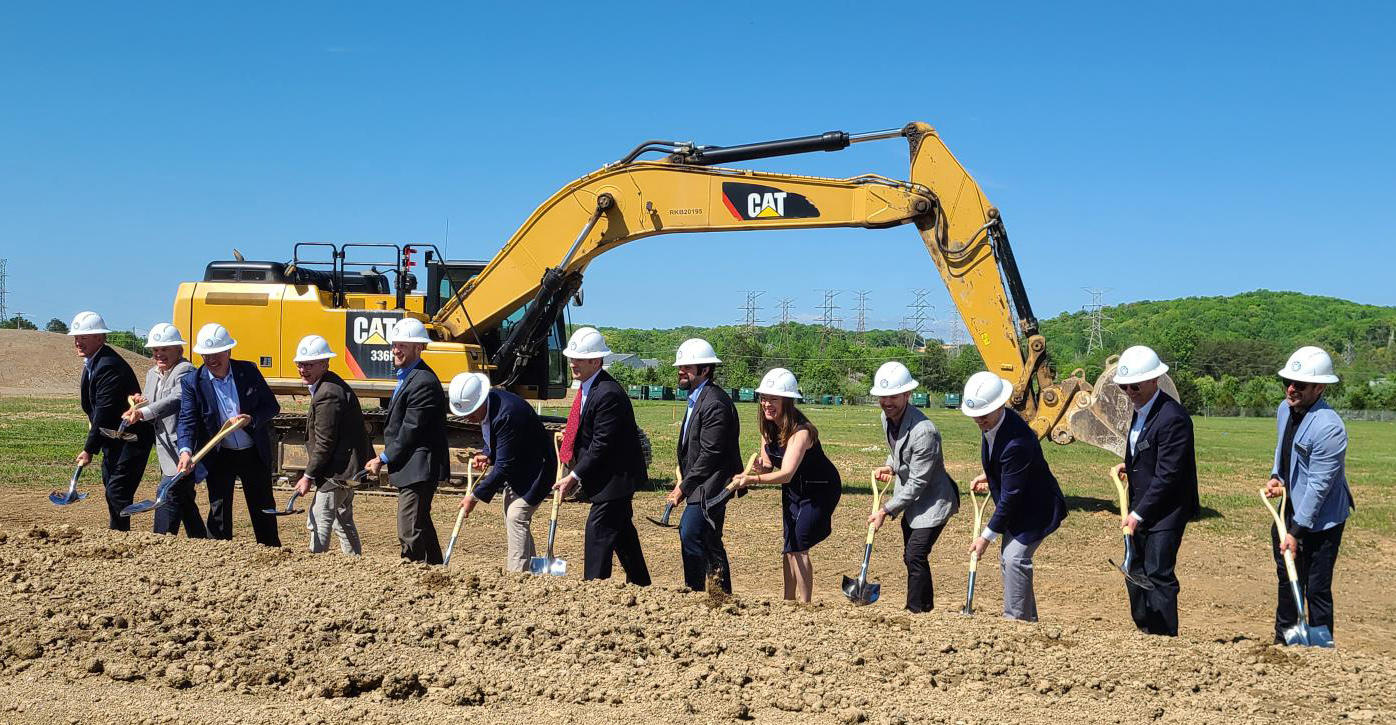
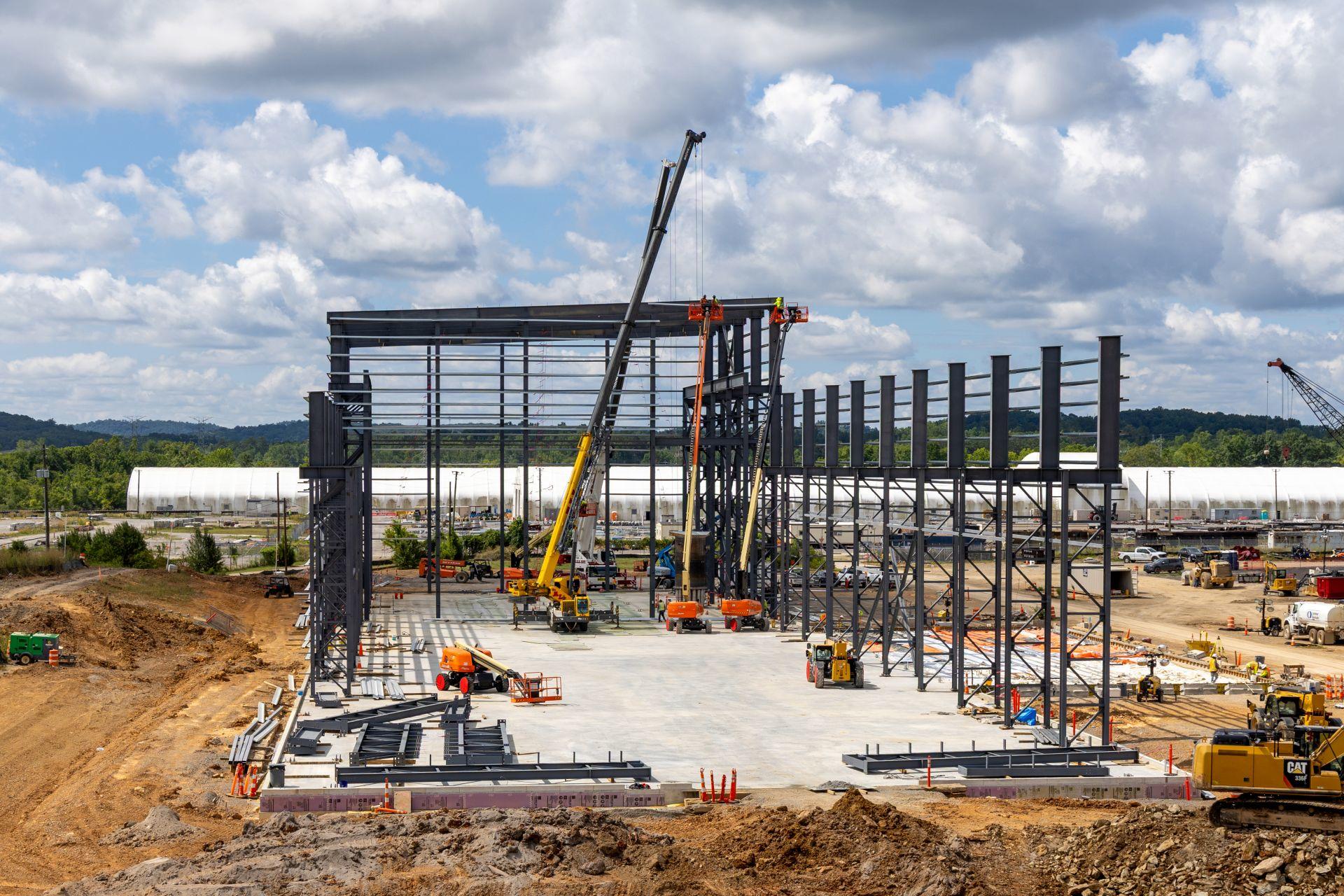
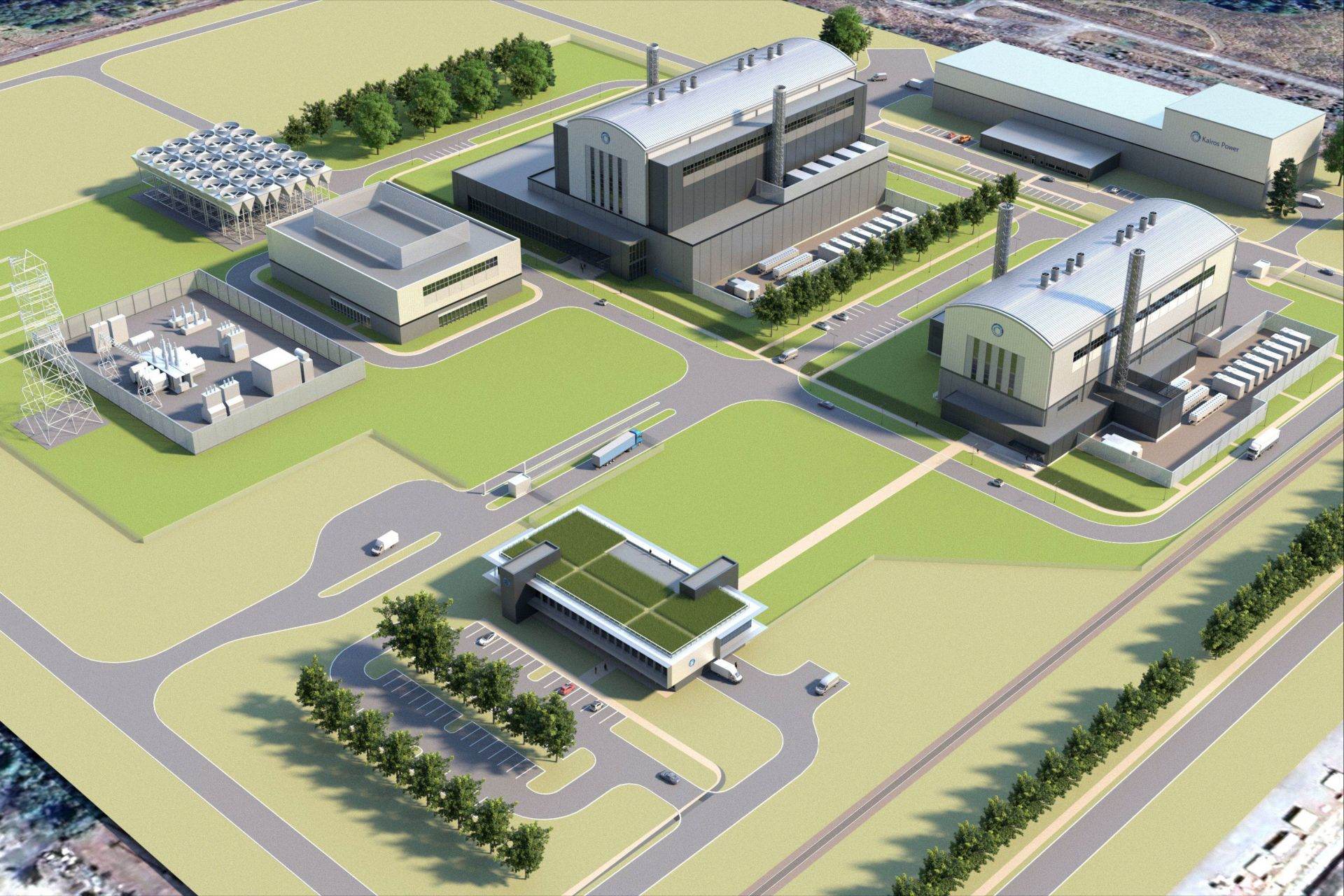
en.Wedoany.com Reported - Kairos Power is advancing its fluoride salt-cooled high-temperature reactor demonstration park on the former K-33 gaseous diffusion plant site in Oak Ridge, Tennessee. The park is planned to house the 35 MW thermal non-power reactor Hermes and the 50 MW electric Hermes 2. Hermes received a construction permit from the U.S. Nuclear Regulatory Commission (NRC) in late 2023, becoming the first approved non-light water reactor and the first reactor licensed in the U.S. in over 50 years. Hermes 2, the company's first power-generating reactor, will be built under a research and test reactor construction permit obtained in 2024, with power supply to Google expected to begin in 2030, ultimately providing 500 MW of electricity by 2035 under a power purchase agreement.
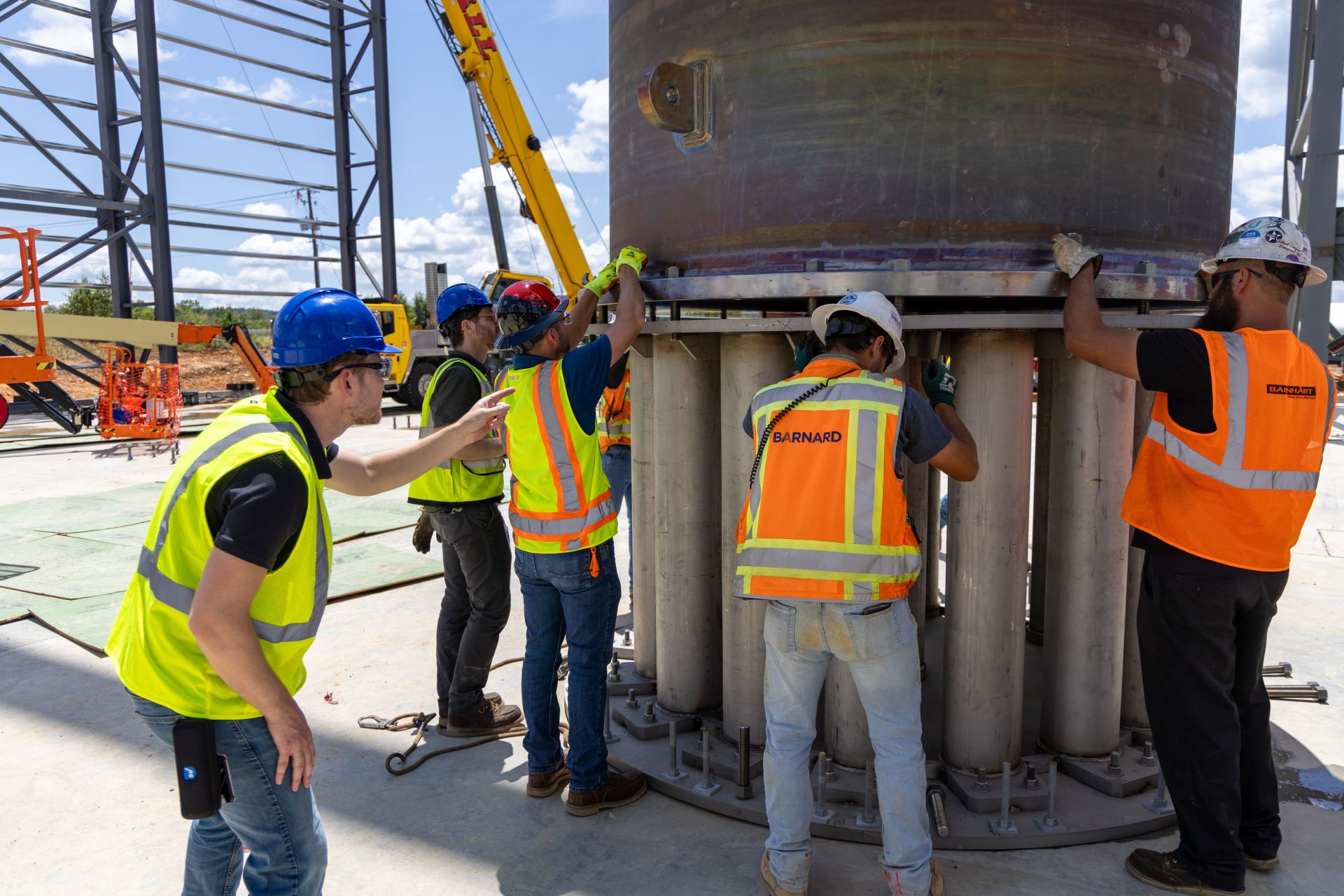
Kairos employs an iterative development approach in advanced reactor development, progressing through a series of Engineering Test Units (ETUs). Before constructing Hermes, the team completed a 14-ton molten fluoride salt coolant transfer test in ETU 1; in ETU 2, the company manufactured its first ASME U2-certified vessel; and ETU 3, located in Oak Ridge, integrates maintenance, operator training, manufacturing, and construction functions. In manufacturing the ETU 3 reactor vessel, Kairos collaborated with Cambridge Vacuum Engineering and the University of Sheffield's Advanced Manufacturing Research Centre, using electron beam welding as an alternative to traditional arc welding. This method does not use filler metal, reducing costs and minimizing the heat-affected zone. The 14-foot-tall vessel was shipped to Oak Ridge in July 2025 and installed, with the ETU 3 facility expected to be completed this summer.
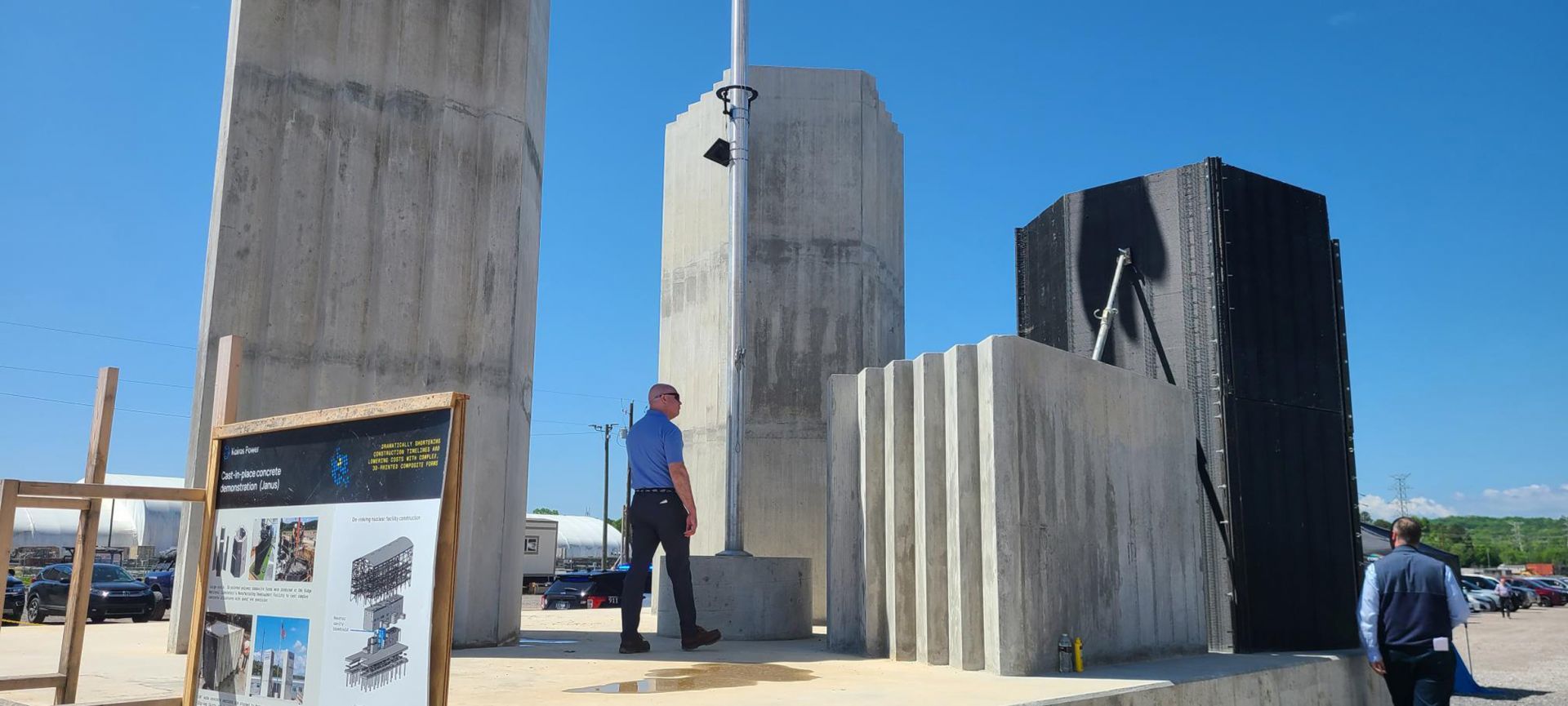
To reduce nuclear construction risks, Kairos has adopted a vertical integration strategy, internally producing components and materials related to salt connections, safety, or those not available off the shelf. The company optimizes the construction process by prefabricating and precasting plant components, such as concrete shielding, sine wave joints, and seismic isolation units. In December, workers installed a shielding structure made of precast concrete, incorporating 3D-printed polymer composite wall panels developed in collaboration with Oak Ridge National Laboratory and the University of Maine. Radiation performance tests completed in February showed the structure performed well, with measurements closely matching engineering models. At the Hermes site, workers will also install dampers and springs in the foundation to demonstrate the plant's response to seismic activity.
Edward Blandford, co-founder and chief technology officer of Kairos, stated that the company has made adjustments and improvements through an iterative approach in non-nuclear construction at the Hermes site. While these upfront investments are not cheap, they reduce the greater costs of on-site delays and downstream challenges. Matthew Rasmussen, chief nuclear officer of the Tennessee Valley Authority (TVA), compared this process to the scientific method, noting that it allows the company to learn as it progresses and influence the final design quality. The Hermes test reactor is planned to be ready by 2028, and Hermes 2 by 2030; Kairos has submitted an application to the NRC to extend the latest completion date for Hermes from December 31, 2026, to April 30, 2029.
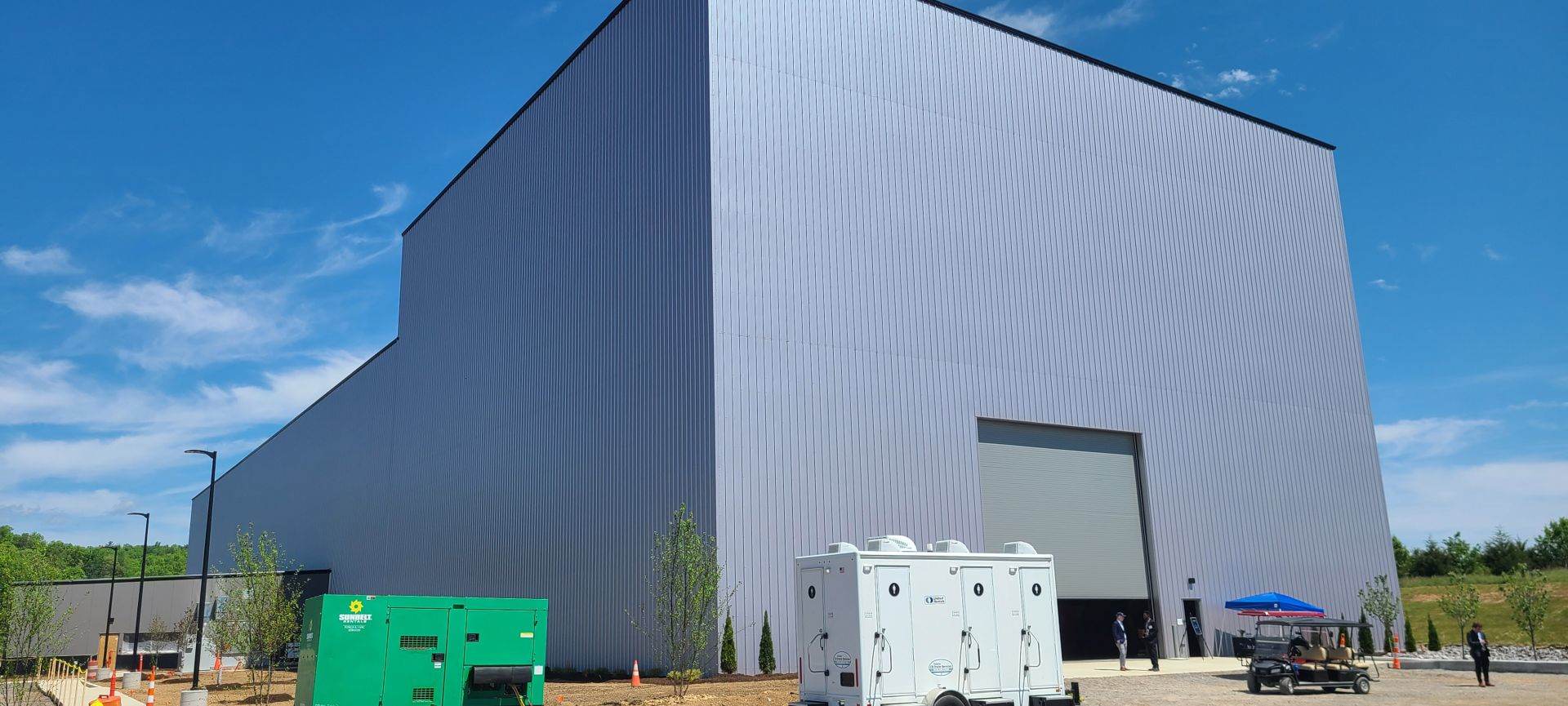
Upon completion, the demonstration park will feature two Hermes plants, a modular systems facility, ETU 3, and other supporting infrastructure. Mike Laufer, CEO and co-founder of Kairos, stated that whether electricity generated by new nuclear technology can be delivered affordably remains to be proven, but he is confident the company can achieve this goal.
This article is compiled by Wedoany. All AI citations must indicate the source as "Wedoany". If there is any infringement or other issues, please notify us promptly, and we will modify or delete it accordingly. Email: news@wedoany.com