University of Nottingham Launches Cold Spray Additive Manufacturing Facility
en.Wedoany.com Reported - The University of Nottingham recently announced the commissioning of a cold spray additive manufacturing (Cold Spray Additive Manufacturing, AM) facility with the highest pressure rating. This facility utilizes the latest technology and is positioned as a national-level advanced manufacturing research platform.
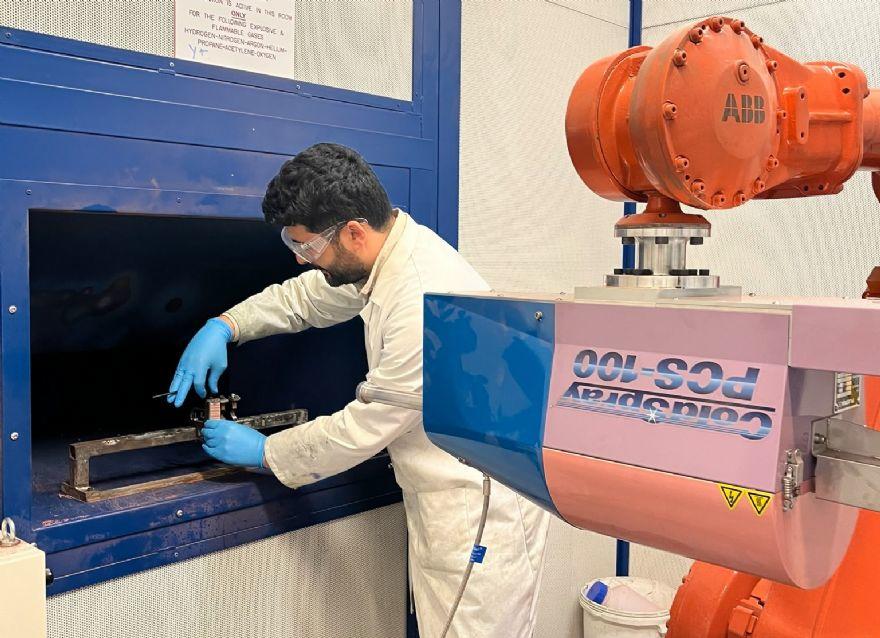
The cold spray process forms or repairs metal components by accelerating fine metal powders at high speed to impact a substrate surface. Unlike traditional processes that require melting materials, this process does not cause thermal damage and preserves the original properties of the metal powder.
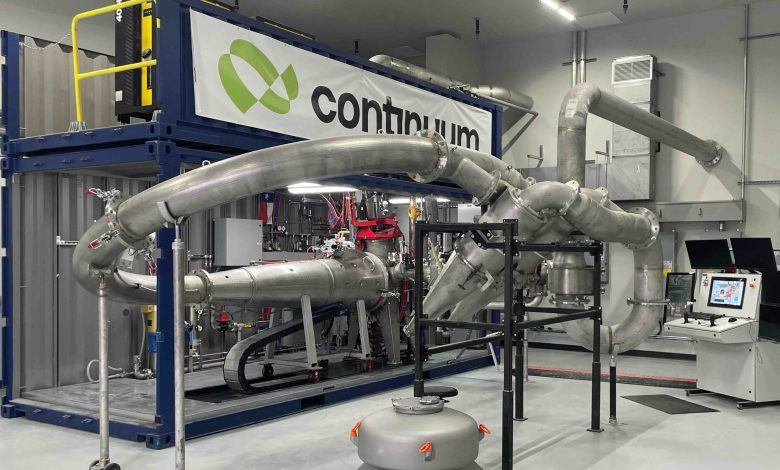
With assistance from the PlasmaGiken technical team in Japan, experts at the University of Nottingham's Faculty of Engineering designed and installed this high-pressure cold spray system. The new system achieves higher particle impact velocities, enhances the bond strength between the deposited layer and the substrate, and can process harder, more technically demanding metal materials.
This technology can be used for the repair and remanufacturing of high-value components in aerospace, fusion energy, nuclear power, and defense sectors. Compared to traditional manufacturing methods, material waste is significantly reduced, helping to lower production costs and improve sustainability.
Located at the Centre of Excellence in Coating and Surface Engineering (CE-CSE), the facility will serve as a national collaboration hub, uniting industry and research partners to support the UK's development goals in advanced manufacturing and clean energy technologies.
Project lead Professor Tanvir Hussain, Professor of Coating and Surface Engineering at the University of Nottingham, stated that after three years of concept validation and industry collaboration, the team has launched the highest-pressure cold spray additive manufacturing facility in the UK. He noted that this is not just an additional piece of equipment in the country's cold spray field, but represents a national capability that will support engineers and technicians across the UK in advancing research and industrial innovation in advanced manufacturing.
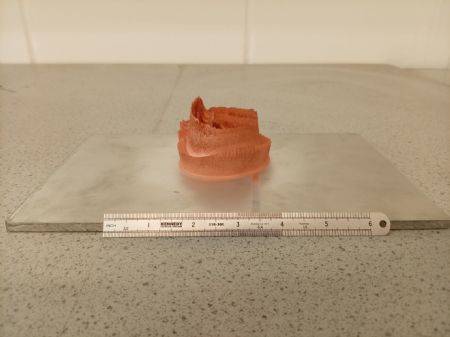
The facility will combine the expertise of University of Nottingham scholars with the strength of industry partners to rapidly drive innovation and conduct exploratory testing of new technologies and applications.
The project has received funding from research and innovation agencies, the University of Nottingham's Faculty of Engineering, PlasmaGiken, Rolls-Royce, BAE Systems, and the Engineering and Physical Sciences Research Council (EPSRC).
Engineers at the University of Nottingham have achieved multiple innovations in spray technology. Recently, they used plasma spray technology to develop a new high-performance tungsten-copper metal coating in a single step, a material specifically designed for future high heat flux (HHF) plasma-facing components (PFCs), particularly divertor target plates.
This article is compiled by Wedoany. All AI citations must indicate the source as "Wedoany". If there is any infringement or other issues, please notify us promptly, and we will modify or delete it accordingly. Email: news@wedoany.com
Related Products



Pneumatic high-pressure wear-resistant ball valve
Zhejiang Deca Control Valve Meter Co., Ltd.

Excavator Bucket Teeth Heat Treatment Production Line
Suzhou Hezhongju Intelligent Equipment Co., Ltd.
Standard Nozzle Flowmeter
Jinggong Automatic Control Instrument Complete Technology Development Company

LBH4000 Batch Environmental Protection Asphalt Mixing Plant | Asphalt Batching Plant | Asphalt Mixing Plant
Jilin Province Road Construction Machinery Co., Ltd.
Strip Coating and Plating Production Line Equipment
MCC-SFRE HEAVY INDUSTRY EQUIPMENT CO., LTD.