en.Wedoany.com Reported - The U.S. Department of Agriculture (USDA), in its Global Agricultural Production Report released in June 2026, estimates Mexico's 2025/26 sorghum production at 3.2 million metric tons, down 16% from last month's forecast and 24% from the 2024/25 season. Harvested area is projected at 1 million hectares, down 9% from the previous month and 17% from the prior year; yield is estimated at 3.20 metric tons per hectare, down 7% from last month and 9% from the previous year. The report notes that while growing conditions for summer sorghum have improved, they are insufficient to offset the severe impact of drought on winter sorghum.
Mexico plants two sorghum crops annually—summer sorghum and winter sorghum. The report shows that summer sorghum harvested area increased year-over-year as producers in regions such as Tamaulipas, San Luis Potosí, and Chihuahua shifted some land back to sorghum cultivation, but lower yields led to a decline in total production. Winter sorghum planted area saw a significant reduction, primarily reflecting lower profit margins, with winter sorghum area in Tamaulipas decreasing by approximately 200,000 hectares. Despite the downward revision in summer sorghum production estimates, it remains well above winter sorghum output.
Mexico is one of the world's leading sorghum producers, and sorghum is an important feed grain in the country, primarily used in livestock production, especially poultry and swine. The U.S. Department of Agriculture (USDA), established in 1862, is the federal executive agency responsible for agriculture, food safety, and rural development. Its monthly Global Agricultural Production Reports (WASDE and country reports) serve as key reference indicators for international agricultural markets. This production decline reflects the ongoing impact of climate change on Mexico's agricultural output, as well as the transmission effects of planting structure adjustments on crop area and yields. The drop in sorghum production may affect Mexico's domestic feed supply landscape and further influence livestock production costs and import demand.
This article is compiled by Wedoany. All AI citations must indicate the source as "Wedoany". If there is any infringement or other issues, please notify us promptly, and we will modify or delete it accordingly. Email: news@wedoany.com
Related Products


Industrial and Commercial Point-Type Gas Detector
Jinan Benan Technology Development Co., Ltd.
714CD Series C-Band Weather Radar
Chengdu Zhongdian Jinjiang Information Industry Co., Ltd.


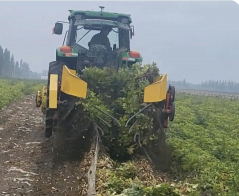
4HS-8 High-efficiency Peanut Inverted-laying Harvester
Hebei Yongfa Hongtian Agricultural Machinery Manufacturing Co., Ltd.