en.Wedoany.com Reported - Cartagena ranks 4th in Latin America and 42nd globally, Buenaventura ranks 10th in Latin America—five Colombian ports are among the top 50 in the region, and the dual-ocean gateway is becoming a trump card for trade efficiency in the era of nearshoring.
Two Colombian Ports Make the List
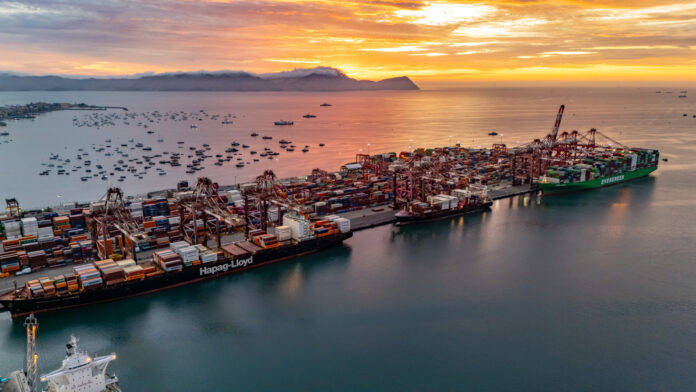
According to the recently released global port performance ranking, Cartagena, located on the Caribbean coast, stands out. It ranks fourth in Latin America and 42nd globally, moving up several spots from last year. The city has consistently held a leading position in the region for years. Significant investments in container terminals have allowed it to maintain an edge over larger competitors.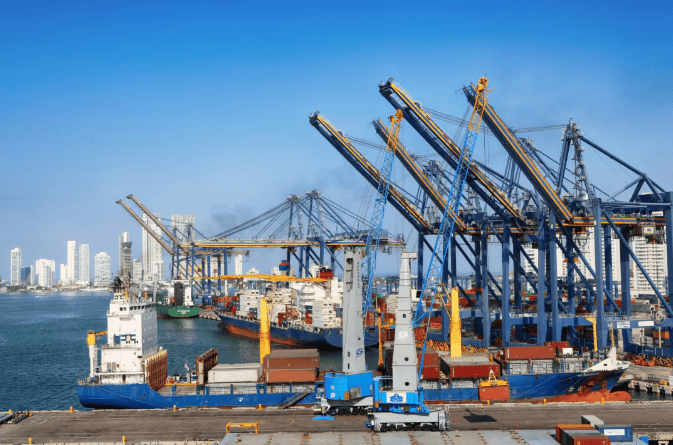
The performance of this hub role surpasses Colombia's own trade volume. A well-operated transshipment port earns fees by handling cargo that merely passes through, not just Colombia's own imports and exports.
Colombia's main Pacific port, Buenaventura, ranks tenth in the region. This year, it slipped a few spots, a reminder that such rankings change annually. Buenaventura's fluctuation reflects its vulnerability. As Colombia's primary Pacific export gateway, it handles a large volume of cargo but has long faced challenges of congestion and poor inland connectivity.
Three other ports also made the list: Santa Marta, Barranquilla, and Turbo all ranked among the top 50 in the region, bringing the total number of Colombian ports selected to five. This distribution itself is an advantage. Rather than relying on a single mega-port, Colombia channels trade through multiple terminals along two coastlines.
The ranking is not about size or total cargo volume. It measures the time container ships spend in port—from arrival to departure. Speed is the key point. Faster turnaround means lower costs for shipping companies and quicker delivery of goods inside those steel containers. Every extra hour at berth adds costs. Idle ships consume fuel and incur expenses, which ultimately translate into higher prices for imported goods on store shelves.
Dual-Ocean Access Becomes Colombia's Advantage
Asia, as always, dominates the top tier globally. Chinese ports and Gulf hubs occupy most of the leading positions, setting benchmarks for the rest of the world to catch up to.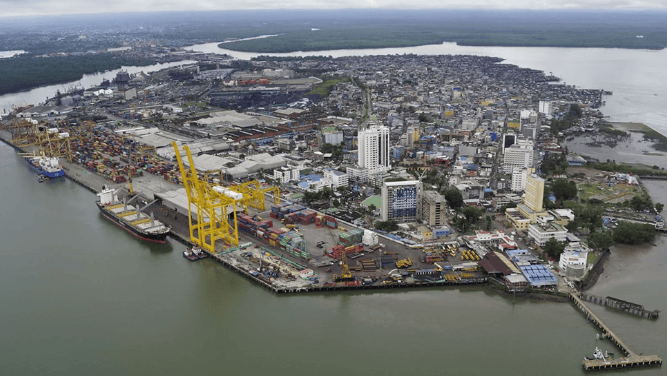
The strongest performers in Latin America are Ecuador, Chile, and Colombia. As operators invest in automation and deepen berths, the region as a whole is gradually climbing the rankings.
Port efficiency is an underrated competitive advantage. For exporters, every hour saved at the dock translates directly into a competitive edge. This is even more critical in the era of nearshoring. As companies relocate their supply chains closer to the United States, smooth port operations are a key selling point for a country to attract such investment.
Colombia's geography is a major natural advantage. With coastlines on both the Caribbean Sea and the Pacific Ocean, the country can serve trade flows in both directions. This dual-ocean access is rare in the region. It allows exporters to reach the United States and Europe via the Caribbean, while also accessing Asian markets through the Pacific.
This contrast is noteworthy. While headlines focus on deficits and election risks, the unglamorous machinery of trade operates efficiently behind the scenes. For foreign readers, this is a quiet bright spot. Amid Colombia's fiscal and political noise, its logistics foundation performs well relative to regional peers.
This article is compiled by Wedoany. All AI citations must indicate the source as "Wedoany". If there is any infringement or other issues, please notify us promptly, and we will modify or delete it accordingly. Email: news@wedoany.com
Related Products







Wheel and Track Technology Business
Beijing Research & Design Institute of Rubber Industry Co., Ltd.


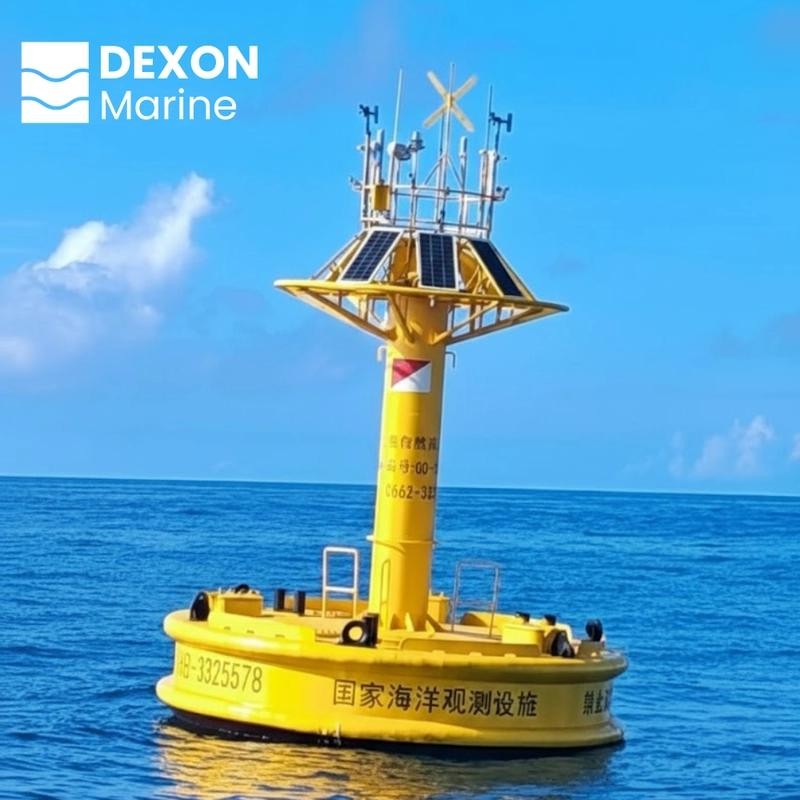
3m intelligent buoy combining navigation safety and real-time marine monitoring integrated navigation and marine monitoring system for real-time maritime data
Chengdu Dixin Technology Co., Ltd.