en.Wedoany.com Reported - A collaboration between the University of California San Diego and UK-based BAE Systems has created an optical technology measuring just about 6 millimeters (0.24 inches) that could change how the Sun is observed in future space missions.
The core component of this technology is a metasurface polarization grating, an optical structure composed of nanoscale elements that controls light at levels unattainable by traditional optics. Polarization refers to the direction of light wave vibration; in solar physics, measuring polarization helps reconstruct the structure of the Sun's magnetic fields, which are associated with phenomena such as coronal mass ejections that can disrupt satellites, communications, and Earth's energy systems.
Traditional solar telescopes must measure different polarization components sequentially: as the orientation of optical elements is changed, the same signal is recorded multiple times and then synthesized into a single image. However, in space, even minimal vibrations between frames cause image shifts and data blurring, requiring complex and expensive stabilization systems that sometimes cost more than the optics themselves.
The newly developed metasurface solves this problem differently: it simultaneously splits incoming light into multiple polarization channels, capturing all necessary information in a single frame without moving parts or sequential imaging.
According to lead author Noah Rubin, this is one of the early cases where a metasurface has moved from a laboratory prototype to testing in a real astronomical system and gained approval for potential space applications.
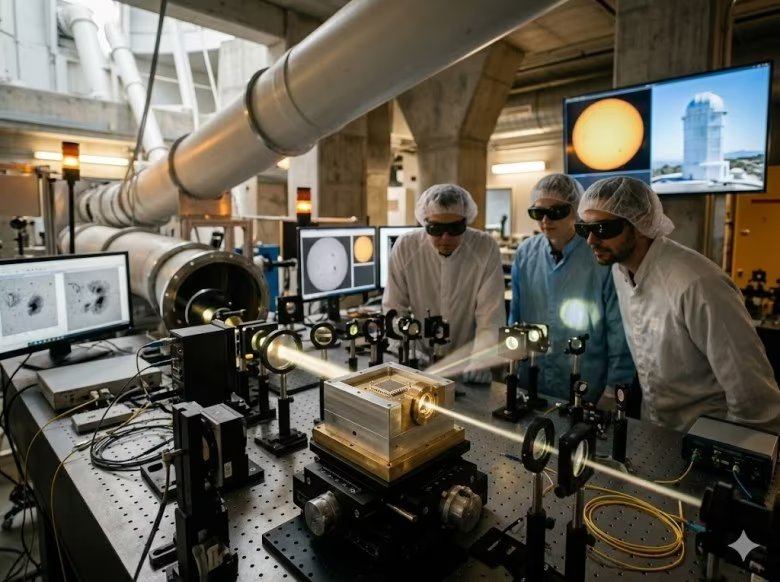
The technology was integrated into a dedicated solar telescope and tested in collaboration with the National Center for Atmospheric Research (NCAR). During the experiment, the system successfully recorded the magnetic field of sunspots, with results comparable to data from NASA's largest orbital observatory, the Solar Dynamics Observatory.
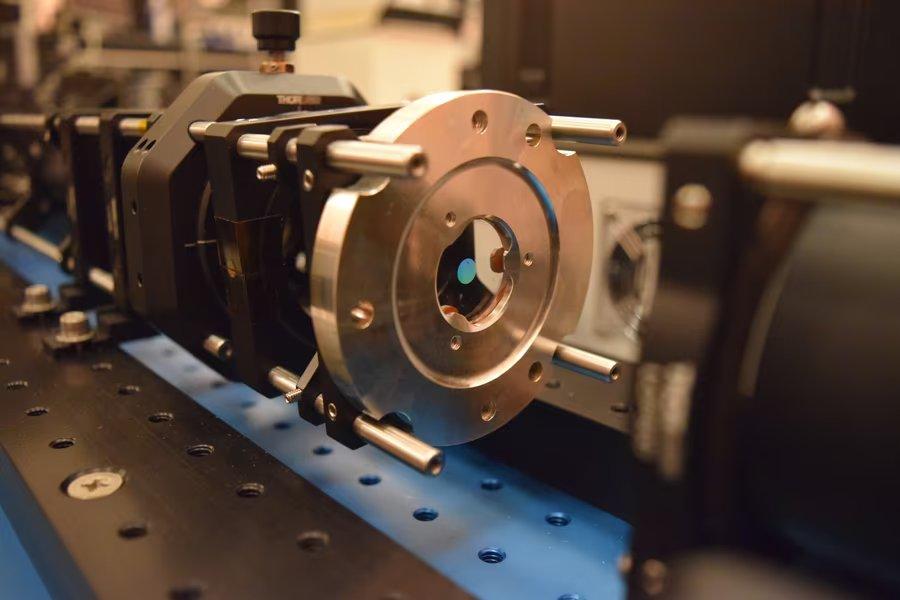
The experiment also tested the technology's durability: the metasurface passed vibration and temperature tests simulating launch and in-orbit conditions, confirming its potential suitability for future missions.
System testing was conducted at the Dunn Solar Telescope in New Mexico: light reflected from a mirror at the top of a 41-meter tower, traveled approximately 69 meters down to an underground facility, and then entered the compact metasurface module measuring just a few millimeters.
The research results indicate that the technology can simultaneously measure the polarization properties of solar radiation at the same point in time, which is particularly important for observing rapid solar processes that have been difficult to record accurately. The authors emphasize that this technology can significantly simplify the design of future space telescopes, reduce the number of mechanical components, and lower mission costs, paving the way for developing more compact and stable instruments for monitoring solar activity and space weather.
This article is compiled by Wedoany. All AI citations must indicate the source as "Wedoany". If there is any infringement or other issues, please notify us promptly, and we will modify or delete it accordingly. Email: news@wedoany.com
Related Products
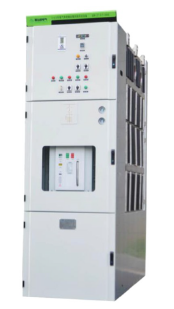

GSR6-27.5kV SF6 Free Gas-insulated Metal-enclosed Switchgear
Zhejiang Juhonkia Intelligent Electric Co., Ltd.


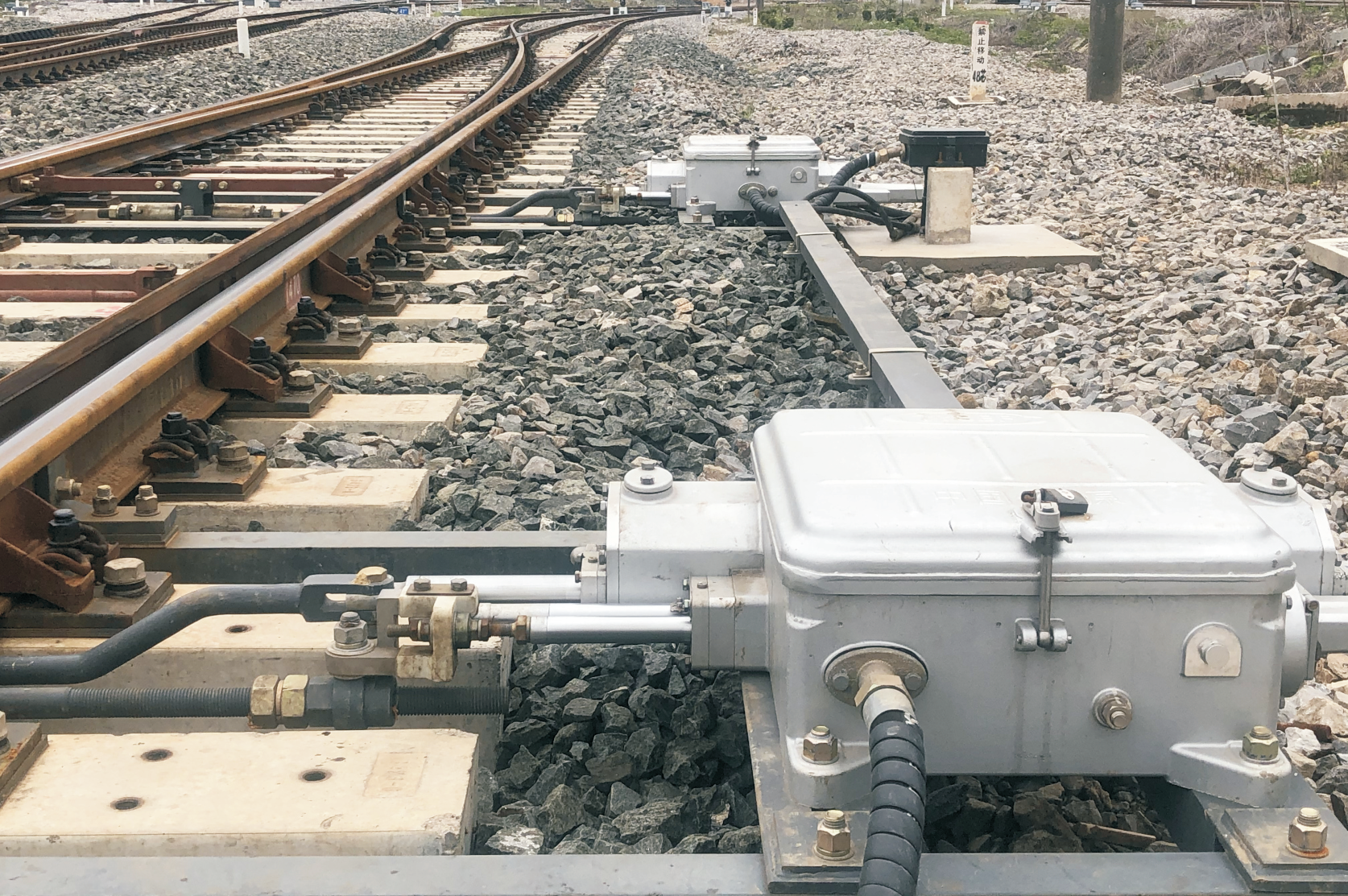
ZY(J)7(M) Sealed Type Electro-Hydraulic Turnout Machine
TAIYUAN CR JINGFENG EQUIPMENT TECHNOLOGY CO., LTD.





"Shunyi 1600" Deep-submerging Bottom-sitting Multi-functional Wind Power Engineering Vessel
Zhengli Offshore Engineering Co., Ltd.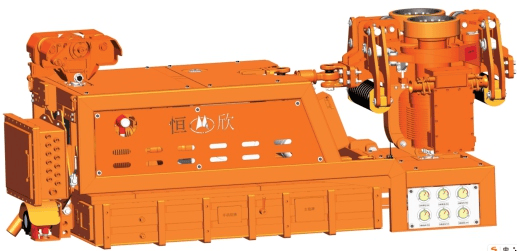
Explosion-proof lithium battery dispatching monorail crane locomotive (permanent magnet frequency conversion integrated machine)
Xiangtan Hengxin Industrial Co., Ltd.