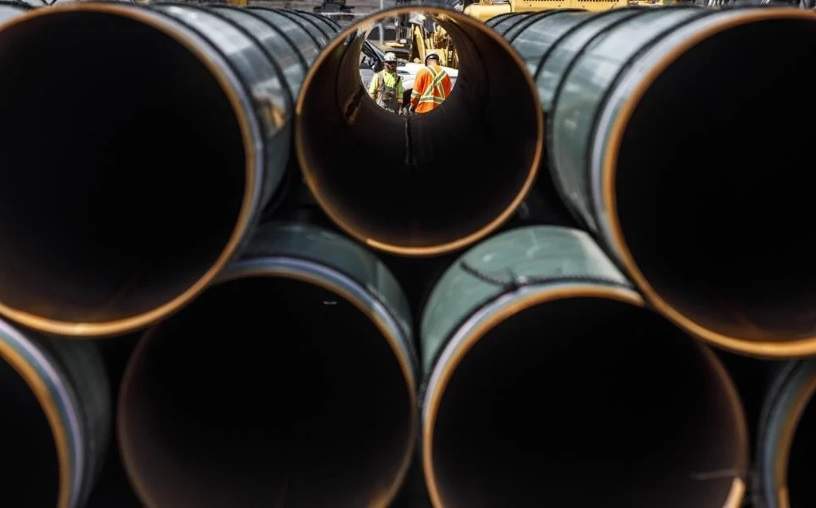
en.Wedoany.com Reported - The U.S. faces a severe shortage of qualified drilling workers for geothermal network construction, and industry organizations are planning to establish a network of Geothermal Drilling Centers of Excellence to expand the workforce through training, supporting the goal of installing 17,500 geothermal networks by 2050. Currently, about 30 geothermal network projects are in various stages across Massachusetts, Colorado, and other states. These systems use electric heat pumps and underground thermal energy to provide building heating and cooling, and are seen as key to helping communities move away from polluting fossil fuel equipment and control household energy costs. However, according to the U.S. Bureau of Labor Statistics, there are currently only about 19,500 specialized drilling workers outside the oil and gas industry. Brock Yordy, President and Co-founder of the Geothermal Drillers Association, stated that this workforce needs to triple in size.
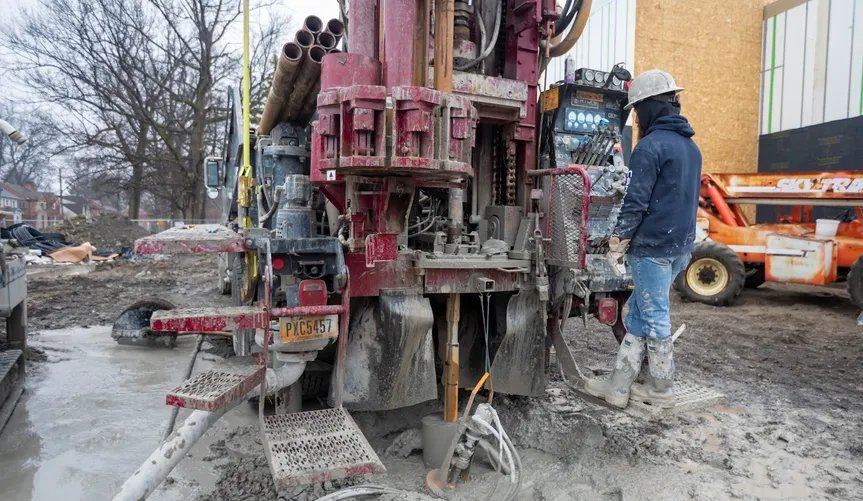
Lawrence McKenna, Chair of the Department of Environmental, Social, and Sustainability Studies at Framingham State University in Massachusetts, noted that this work is absolutely necessary in New England and anywhere that uses traditional fossil fuel heating systems, but there are not enough people to operate the equipment. The nonprofit organization Home Energy Efficiency Team (HEET) and the Geothermal Drillers Association have jointly launched an initiative to turn this obstacle into an opportunity. McKenna said that as many states strive to reduce carbon emissions, employment in the natural gas industry may slow, leading to experienced workers losing their jobs, while young people are entering a "very tough" job market. The expected growth of geothermal networks can create jobs, repurpose existing skills of natural gas workers, provide well-paying career paths, and cannot be replaced by artificial intelligence.
The initiative plans to create a national network of Geothermal Drilling Centers of Excellence for training and research to cultivate a geothermal drilling workforce. Each center will tailor its curriculum to local specific needs. Zeyneb Magavi, Executive Director of HEET, stated that establishing such institutions at the regional level can simultaneously advance workforce development and market development in a more cost-effective and reasonable manner. The first Center of Excellence is scheduled to launch later this year in Framingham, Massachusetts, home to the first utility-owned community-scale thermal network in the U.S. Training will be based on the Geothermal Drillers Association's existing two-week pre-apprenticeship program, covering fundamentals of geothermal science, basic drilling knowledge, differences between various drilling disciplines, and workplace safety protocols.
Currently, such training lacks a hands-on drilling component. Purchasing a drilling rig is beyond budget, and leasing is also difficult. After safety training, students visit sites and observe operations but are not allowed to operate equipment. Brock Yordy said the current model only allows for classroom learning and site visits, without a practical component. The Framingham Center of Excellence will address this issue. In April, the Massachusetts Clean Energy Center, an economic development agency, awarded $1.2 million to the project to purchase a drilling rig and a mobile classroom, enabling students to conduct actual drilling operations. Meanwhile, Framingham State University plans to launch a one-year, six-course certificate program in Geothermal Science and Engineering. Zeyneb Magavi noted that similar training is currently only available at one college in Canada. The course will provide in-depth instruction on the trigonometry and thermodynamics needed to understand system operation, and will include multiple lab sessions, offering hands-on training opportunities in collaboration with the Geothermal Drillers Association.
Lawrence McKenna said that students will use real equipment and work alongside field professionals to perform the actual tasks they will encounter after graduation. Organizers are still finalizing the specific form of the first Center of Excellence, reviewing potential training and drilling sites within Framingham, and ironing out details of the partnership with Framingham State University. Zeyneb Magavi stated that this Center of Excellence is gradually moving from collective imagination to reality through a collaborative approach. Supporters believe that if this vision is realized, the benefits will extend not only to individuals entering new careers and residents gaining cleaner, more affordable heating and cooling, but a thriving geothermal workforce could also drive broader economic growth. Zeyneb Magavi said that building the energy infrastructure of the future is an extraordinary development endeavor.
This article is compiled by Wedoany. All AI citations must indicate the source as "Wedoany". If there is any infringement or other issues, please notify us promptly, and we will modify or delete it accordingly. Email: news@wedoany.com