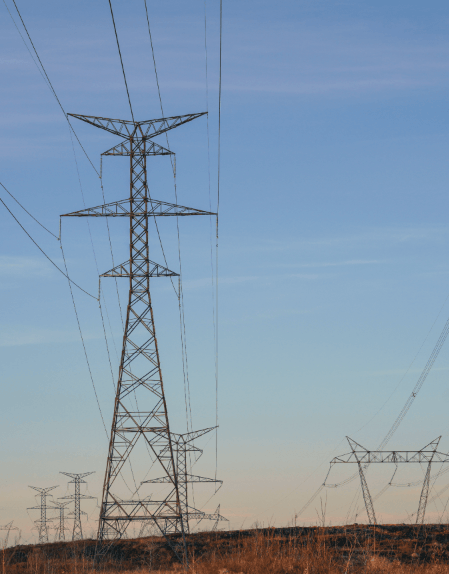
Kenya's KETRACO Drives Digital Transformation to Optimize Renewable Energy Grid
en.Wedoany.com Reported - Kenya's electricity transmission company KETRACO faces system integration challenges in managing renewable energy and is leveraging digital transformation to optimize grid operations. Dr. Njogu Kimando, an energy expert at KETRACO, stated at the SAP Energy & Utilities TAC Insights conference in Toulouse, France, that while renewable energy resources are abundant, integration and stability remain key challenges. The energy transition is constrained by the ability to manage complexity in real time, not by capacity.

Geothermal energy from the Great Rift Valley provides approximately 40% of the region's electricity, making Kenya the largest geothermal producer in Africa. About 24% of electricity comes from hydropower, with the remaining demand primarily met by wind power from Africa's largest wind farm, Lake Turkana, and solar energy. Kenya has one of the highest household solar adoption rates in the world. However, water shortages caused by drought, fluctuations in sunlight and wind, and grid instability pose challenges to the utilization of renewable energy.
Unlike traditional grids that rely on a few centralized power stations for stable electricity, renewable energy grids fluctuate with weather conditions, requiring real-time monitoring and dynamic control. The core challenge of modern power systems lies in the lack of unified real-time visibility across fragmented systems, which hinders timely and coordinated operational decisions. Kimando noted that the company has been balancing supply and demand but lacks real-time visibility into generation sources, transmission assets, and demand patterns. As renewable energy expands, KETRACO's role has evolved from building and operating transmission lines to managing power flows in real time, coordinating variable energy generation, and ensuring grid stability and reliability.
KETRACO is relying on digital systems to address these challenges. The company's new integrated smart grid infrastructure forms an end-to-end digital value chain, serving as the foundation for a digital twin of the grid, connecting operational technology with enterprise systems and advanced analytics. Data is captured by SCADA (industrial control systems for infrastructure and utility networks) and routed through the SAP Business Technology Platform middleware to SAP S/4HANA, which serves as the enterprise backbone, where operational data is transformed into structured business processes.
Kimando stated that the company relies on SAP technology to convert raw data into predictable, actionable intelligence, such as asset lifecycle management and outage reduction metrics, reflecting a shift from reactive maintenance to predictive grid reliability. Inaction leads to grid instability, operational inefficiencies, underutilization of energy investments, rising costs, and regulatory compliance risks. Data-driven actions, on the other hand, improve financial efficiency, optimize capital expenditure decisions, enhance operational resilience, reduce outages, and accelerate system recovery. This solidifies the company's strategic positioning in the energy transition and ESG compliance.
At KETRACO, AI is seen as a capability multiplier, driving a shift from resource-intensive grid expansion to intelligence-driven grid optimization. AI helps achieve more with the same workforce, empowering engineers rather than replacing them, allowing employees to focus more on predictability and decision-making. AI also supports long-term sustainability goals by reducing errors and costs through pre-investment scenario simulations, enabling self-optimizing grid operations with reduced manual intervention, and improving collaboration and integration among regional power systems as well as cross-border energy flows.
KETRACO's mandate is to transmit electricity across Kenya and connect the country to the East African power market. As Kenya becomes a renewable energy hub, expanding geothermal, wind, and hydropower, the importance of its transmission infrastructure is growing. Kimando concluded that digital transformation is changing how electricity is managed, stabilized, and optimized. Renewable energy presents a system challenge, not a technical problem; technology must align with operations and strategy, achieving control through visibility and integration, with partnerships accelerating scale and execution. The future grid depends not on how much electricity is produced, but on how intelligently it is managed.
This article is compiled by Wedoany. All AI citations must indicate the source as "Wedoany". If there is any infringement or other issues, please notify us promptly, and we will modify or delete it accordingly. Email: news@wedoany.com
Related Products



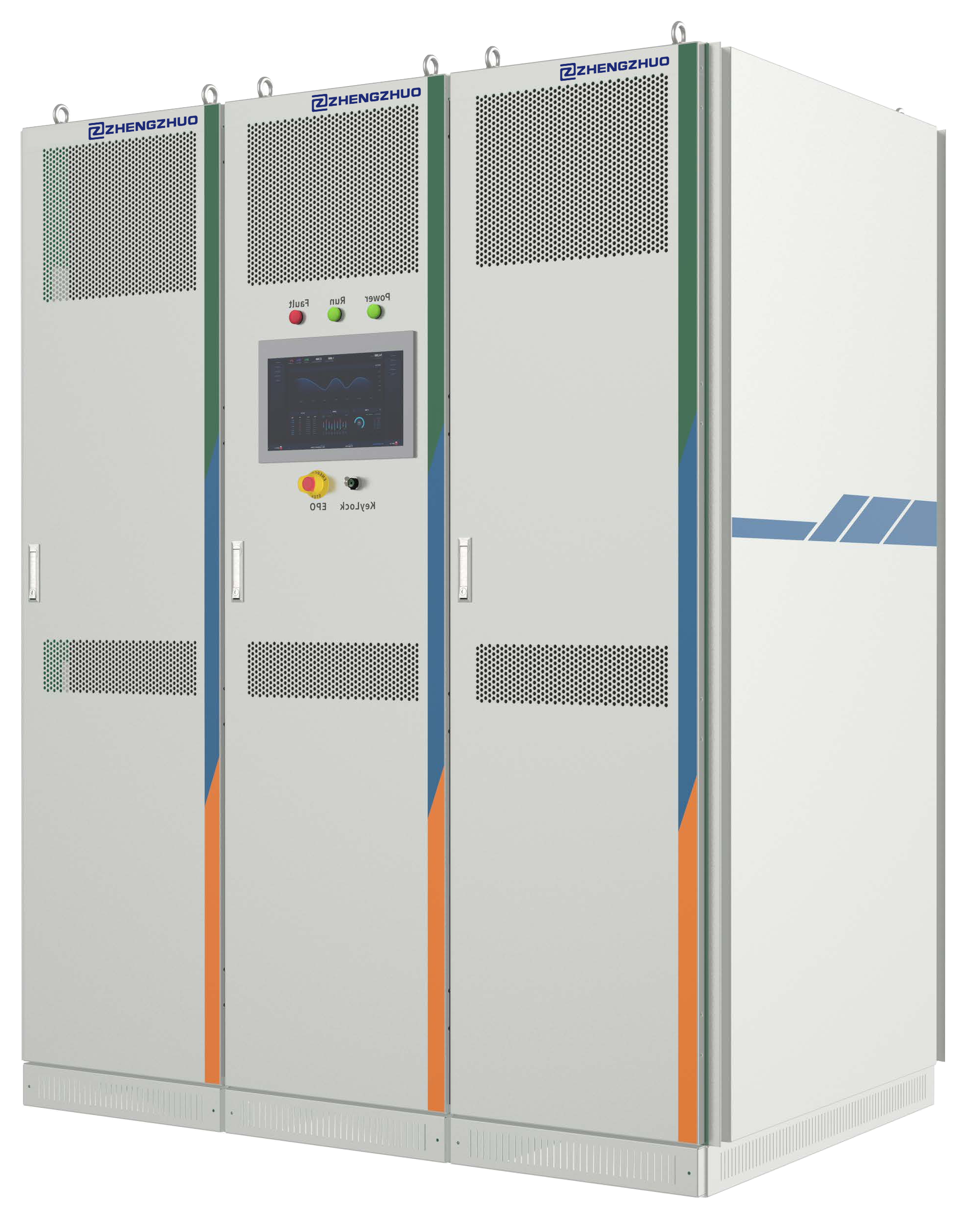
IGBT Hydrogen Production Power Supply - High Power Air Cooling
Beijing Zhengzhuo Engineering Technology Co., Ltd.
Standard Nozzle Flowmeter
Jinggong Automatic Control Instrument Complete Technology Development Company
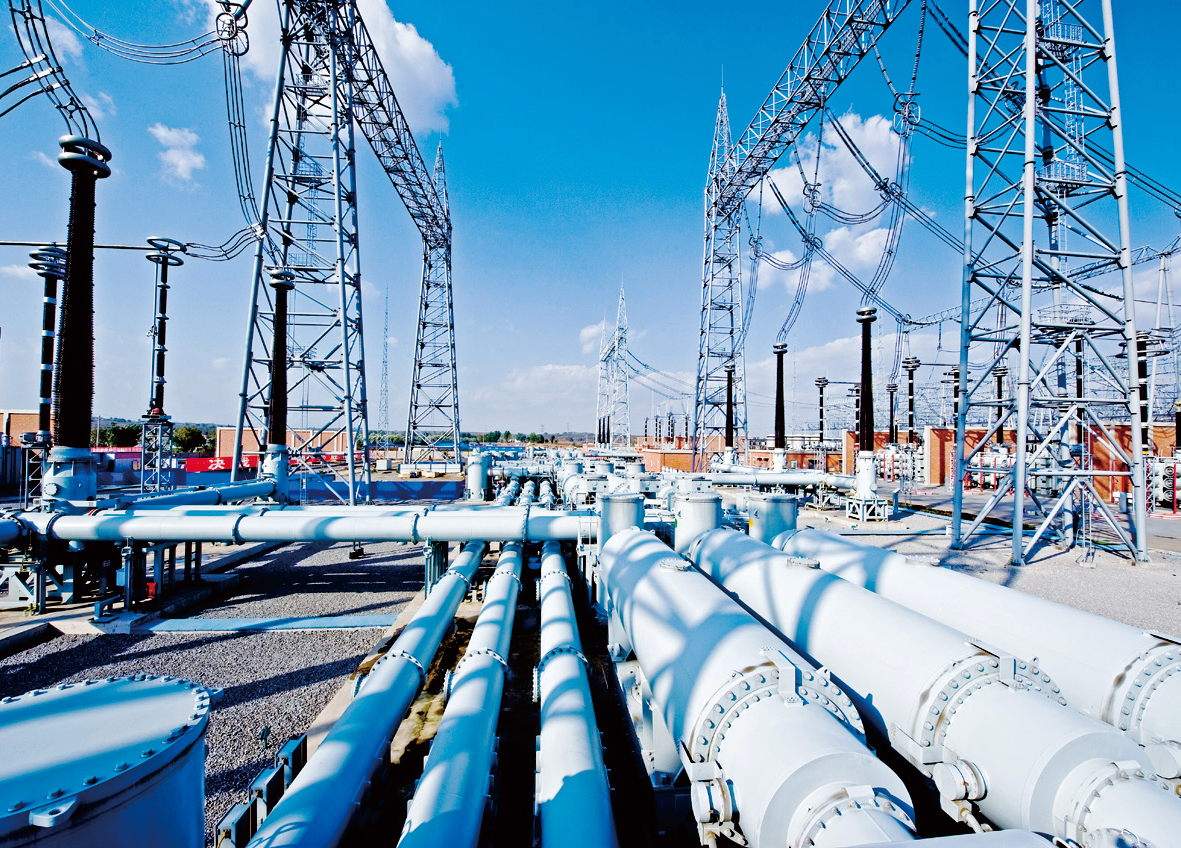
40.5kV-1100kV Gas Insulated Metal-Enclosed Switchgear (GIS)
Henan Pinggao Electric Co., Ltd.