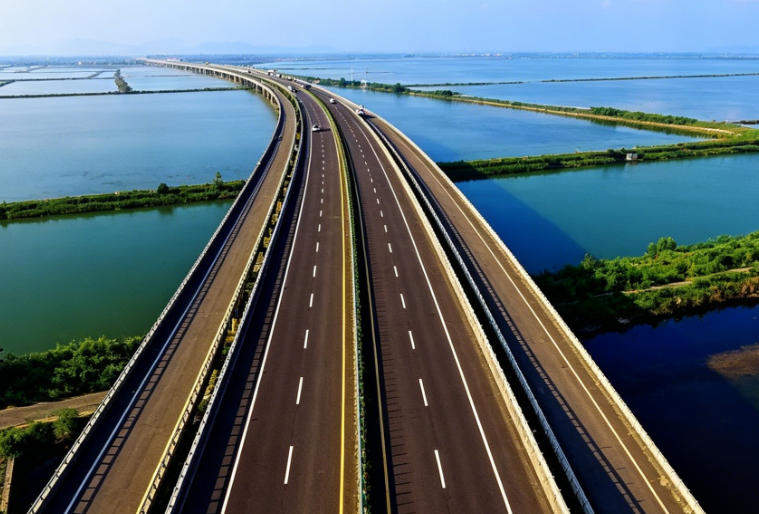
Two French municipalities select Grimshaw consortium to design Marne River footbridge
en.Wedoany.com Reported - Grimshaw, in association with Ingérop, has been selected by the municipalities of Noisy-le-Grand and Neuilly-sur-Marne to design a pedestrian and bicycle bridge spanning the Marne River and connecting the two towns. As a key hub of the Vélo Île-de-France (VIF) network, the project will address a major geographical barrier between the two banks.
The bridge is located east of the existing road bridge, meeting requirements for accessibility and user comfort. The project includes a two-way cycle path and a dedicated pedestrian walkway, with a focus on clear and separated traffic flows. Inclusive design is integrated throughout the bridge, ensuring ease of passage for all users, particularly those with reduced mobility. With appropriately fitted guardrails, the entire structure is embedded without altering RD970 road traffic, reflecting meticulous urban integration. Alice Barrois, architect and director of Grimshaw's Paris office, stated that the project reflects deep consideration of the dialogue between infrastructure and its surrounding environment: "Our approach aims to prioritize landscape integration, respecting the topography and natural heritage of the Marne riverbanks. We propose to view this bridge as a fluid link between Noisy-le-Grand and Neuilly-sur-Marne. While meeting technical mobility requirements, it pursues an architectural language that enriches users' daily experience." The project's success depends on meticulous consideration of the site's riverine and heritage constraints. The design complies with the requirements of Voies Navigables de France (VNF), ensuring optimal navigability. Structural layout has been precisely studied, particularly where riverbed support is involved, to maintain hydraulic balance and ensure coordination with existing bridges. The project coexists harmoniously with the surrounding environment, including the Square de l'Eau, the bird park (parc ornithologique), and the "La Guinguette" facility. In coordination with the Architects of Buildings of France (Architectes des Bâtiments de France, ABF), the project preserves the integrity of underground networks and the stability of adjacent civil engineering works. By strengthening the continuity of regional cycling routes, this bridge becomes a key infrastructure supporting the sustainable mobility transition in eastern Île-de-France.
This article is compiled by Wedoany. All AI citations must indicate the source as "Wedoany". If there is any infringement or other issues, please notify us promptly, and we will modify or delete it accordingly. Email: news@wedoany.com
Related Products


Industrial and Commercial Point-Type Gas Detector
Jinan Benan Technology Development Co., Ltd.
Acoustic Mineral Fiber Ceiling Tile 595x595x12mm
Shanxi Pano Trading Co., Ltd
Ultra-Pure Ferrite Stainless Steel Products
Gansu JISCO Group Hongxing Iron and Steel Co., Ltd.
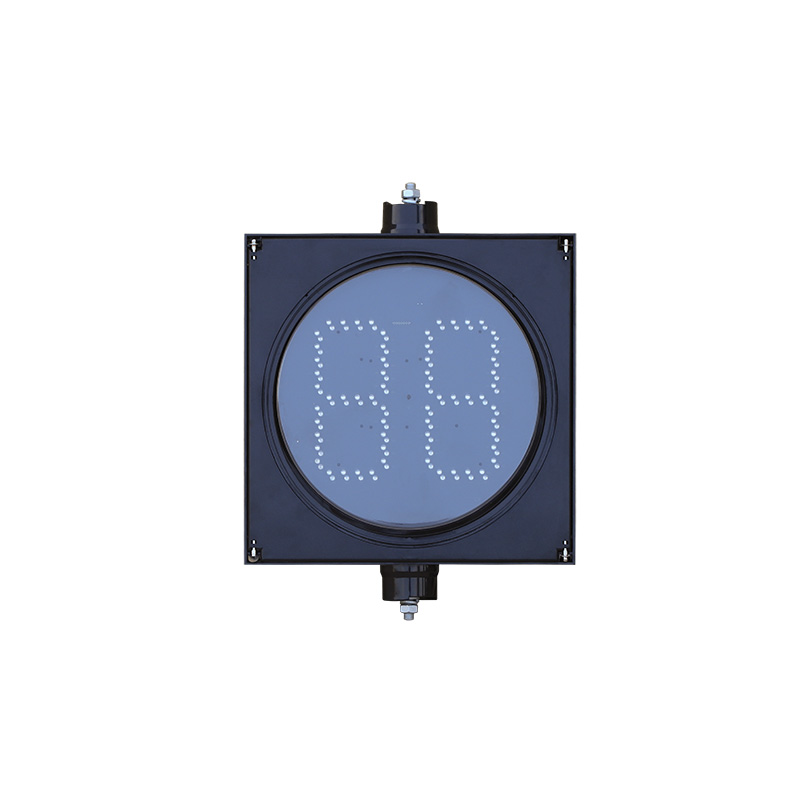
300mm Segment Type Countdown Traffic Light (Core Type)
Yangzhou FAMA Intelligent Equipment Co., Ltd.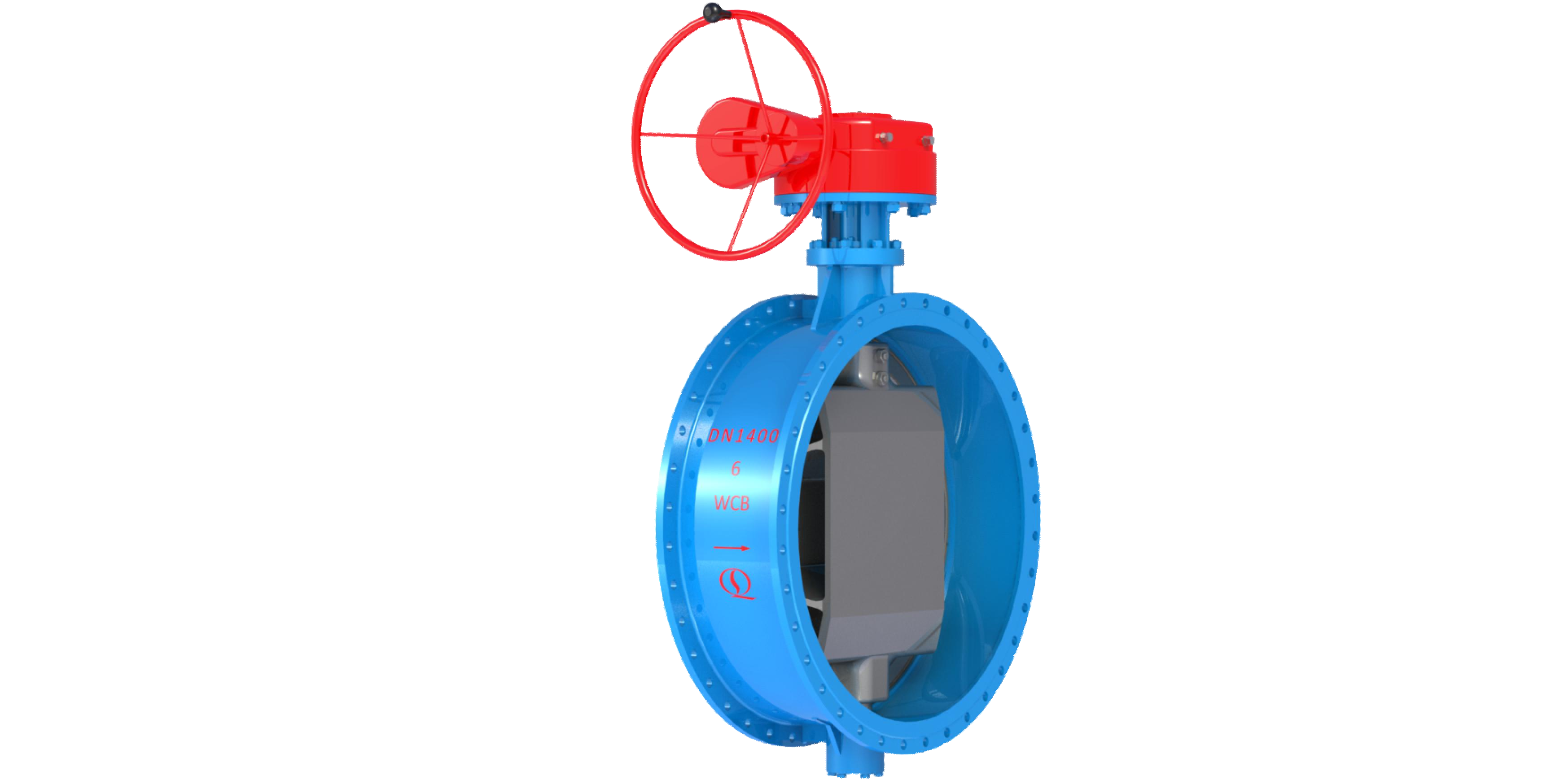
Bidirectional Metal Hard Sealed Seawater Butterfly Valve
Henan Quanshun Flow Control Science & Technology Co., Ltd.

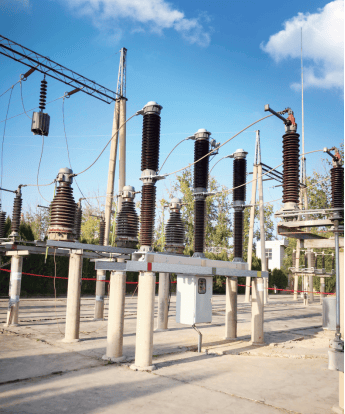
145kV Porcelain Column Type Sulfur Hexafluoride Circuit Breaker
TBEA ZONFA Shanghai High Voltage Switchgear Co., Ltd.