Tsinghua Team Advances World's Largest 1,050 MW Compressed Air Energy Storage Project
en.Wedoany.com Reported - Professor Mei Shengwei and his team from Tsinghua University have led the development of non-supplementary combustion compressed air energy storage (CAES) technology into the industrialization phase, a technical pathway refined over more than a decade of research. The team is advancing the construction of three 350 MW non-supplementary combustion CAES units in Zhuozi County, Ulanqab City, Inner Mongolia. This project employs advanced adiabatic CAES technology, with a storage capacity of 3×350 MW/6300 MWh, making it the world's largest CAES project in terms of total installed capacity, achieving an energy conversion efficiency exceeding 65%.
The fundamental principle of CAES technology involves using renewable energy sources such as wind and solar power to drive compressors, compressing air to high pressure and storing it in storage devices. When electricity is needed, the high-pressure air is released to drive a turbine expander, which in turn powers a generator to output electricity. The non-supplementary combustion pathway proposed by Mei Shengwei's team stores the compression heat generated during the air compression process and utilizes it during power generation, achieving a process with no combustion and no emissions while improving system efficiency.
This technical pathway has undergone a transformation from experimental power stations to industrial plants. In 2017, Mei Shengwei served as the chief scientist for the Jintan Salt Cavern CAES project in Jiangsu, taking full responsibility for the design, research, construction, commissioning, and operation of the plant. To overcome challenges in developing core equipment, the team engaged in repeated discussions with equipment manufacturers, design institutes, and construction units, refining plans and processes. For example, in developing the "high-load, wide-operating-range, high-temperature centrifugal compressor," the team proposed over 100 computational models and implementation plans before finally overcoming the technical difficulties.
The 60 MW/300 MWh Jintan Salt Cavern CAES plant in Jiangsu was officially commissioned in May 2022. As of the last statistical period, the plant has completed 1,690 charge-discharge cycles, with a total peak-shaving electricity volume of 607 million kWh and an electrical energy conversion efficiency of 62.38%.
For applications in cold northern regions, the team completed a wide sliding-pressure 60 MW/240 MWh artificial cavern CAES plant in Huade County, Inner Mongolia, in 2025. This project, invested in by China Three Gorges Renewables and jointly constructed by Tsinghua University and Yousai Technology, was connected to the grid on September 26, 2025. The plant adopts a wide-temperature-range medium-temperature technical pathway, innovatively utilizing a coordinated storage form combining above-ground gas storage tanks and underground artificial caverns, with 100% domestically produced core equipment. Winter temperatures in Huade County often drop below -25°C, prompting the team to develop specialized equipment to meet extreme environmental demands. The plant is expected to generate over 13.2 million kWh annually, meeting the yearly electricity needs of approximately 8,000 households.
The 1,050 MW/6,300 MWh CAES project in Zhuozi County, Ulanqab, is jointly invested in by China Railway Construction Development Group Co., Ltd. and Yousai Technology. Located in Lihua Town, Zhuozi County, the project covers an area of approximately 700 mu (about 46.7 hectares). It adopts an innovative "deep underground space + artificial cavern gas storage" technical pathway, with construction content including above-ground power station systems (compressed air system, turbine expansion system, heat storage and exchange system, etc.), underground gas storage (with a total volume of nearly one million cubic meters), and a supporting 500 kV step-up substation. Once completed, it is expected to generate approximately 2 billion kWh of electricity annually, reducing carbon dioxide emissions by over 1.6 million tons per year.
Regarding gas storage methods for CAES, Cui Sen, an associate researcher at the State Key Laboratory of Power System Operation and Control at Tsinghua University, explained that storage methods include salt cavern storage and artificial cavern storage. Salt caverns, due to their self-healing properties, can prevent water and gas leakage, and most are repurposed from abandoned salt mines, offering advantages of low cost and high economic efficiency. Artificial caverns feature strong adaptability, allowing excavation of storage spaces of varying volumes as needed, and ease of maintenance. Additionally, abandoned branch tunnels formed during the construction of pumped storage power stations can be converted into gas-water co-storage chambers for building combined cycle systems integrating pumped storage and CAES. Underwater flexible gas storage bladders are also considered a potential construction form for "air power banks." According to Cui Sen, with advancements in marine engineering and materials technology, the direction of underwater gas storage is attracting increasing attention.
This article is compiled by Wedoany. All AI citations must indicate the source as "Wedoany". If there is any infringement or other issues, please notify us promptly, and we will modify or delete it accordingly. Email: news@wedoany.com
Related Products

Photovoltaic and Wind Power Generation Technology
Beijing Boqi Electric Power SCI-TECH Co., Ltd.
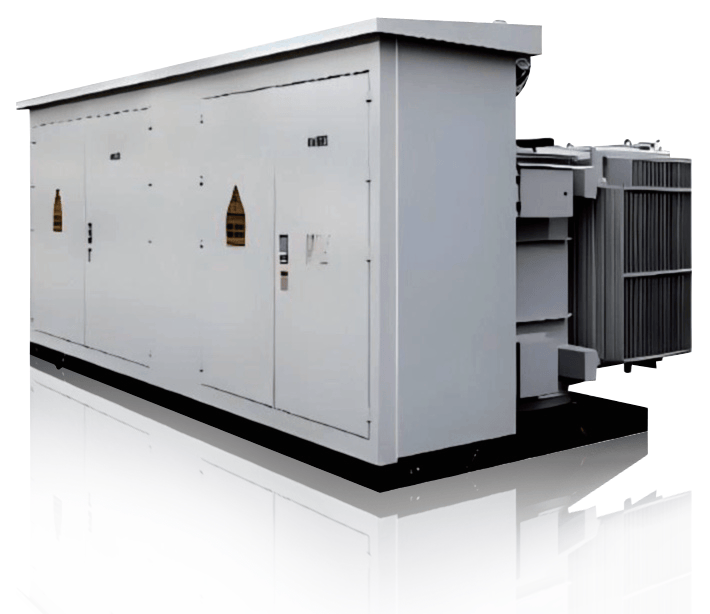
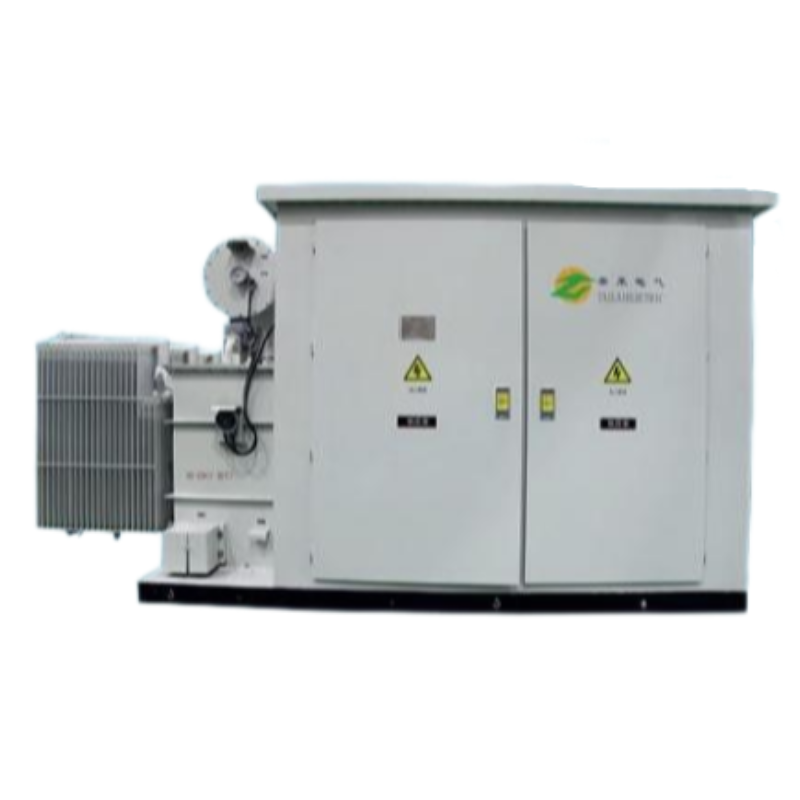
H-40.5/0.4~1.14kV New Energy Power Generation Dedicated High Voltage/Low Voltage Prefabricated Substation
XJ (Xiamen) Intelligent Power Equipment Co., Ltd.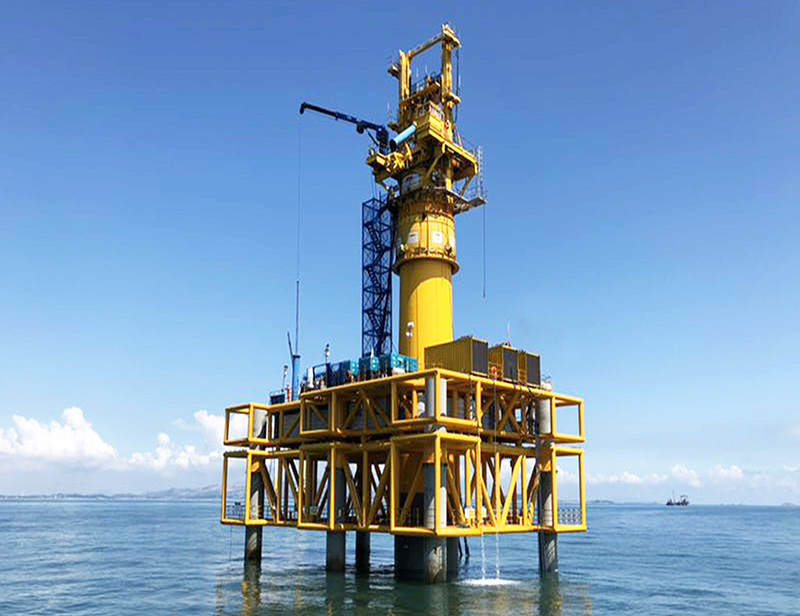
CITIC Heavy Industries Offshore Wind Power Equipment Hydraulic Pile Hammer
CITIC Heavy Industries Co., Ltd.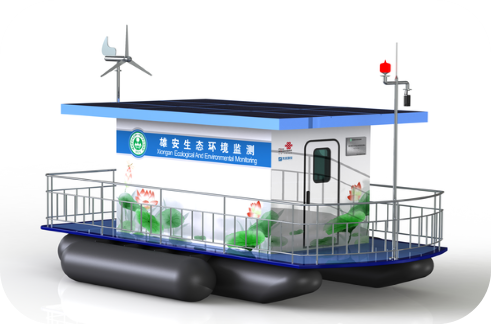
Floating Boat Water Quality Automatic Monitoring System
Hebei Sailhero Environmental Protection High-tech Co., Ltd.

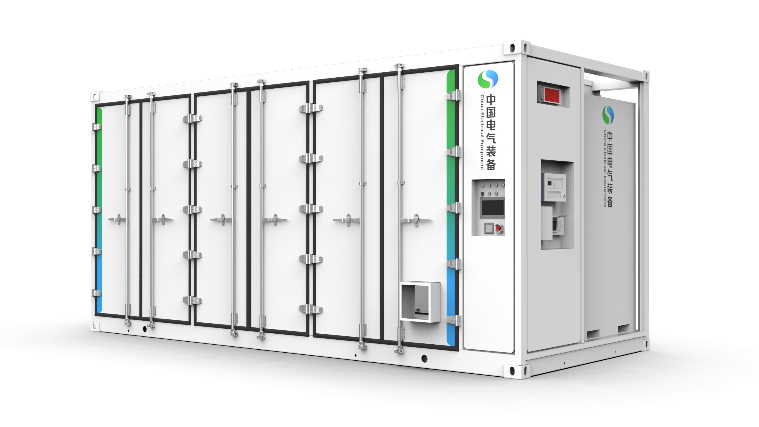
MESS8201-2507/5015-BN Prefabricated Liquid-cooled Energy Storage Battery Container
Xuchang Xuji Electric Science Energy Storage Technology Co., Ltd.
Post-type AC Pollution-resistant Disc Suspension Porcelain Insulator (Triple Umbrella Type)
Shandong High Voltage Insulator Co., Ltd.