en.Wedoany.com Reported - The Municipal Sanitation Committee (Comusa) of Belo Horizonte recently approved the Municipal Sanitation Plan (PMS 2024-2027), which sets a target of increasing sewage treatment coverage to 99% by 2033, while maintaining water supply coverage at near-universal levels.
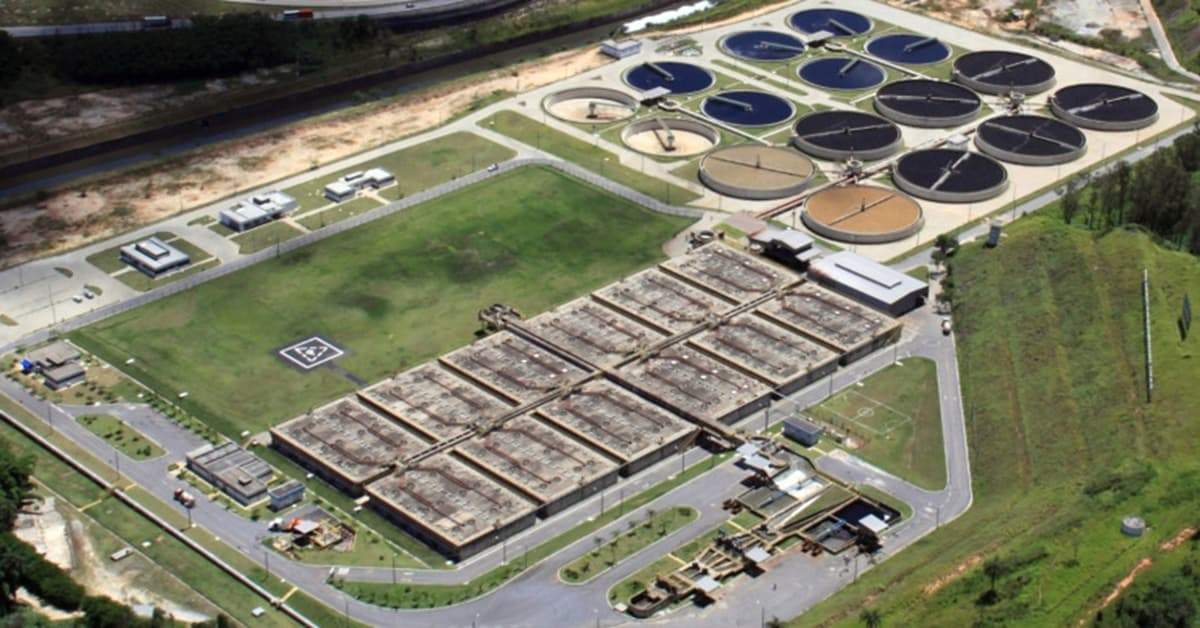
This document, published since 2004, serves as the guiding policy for public sanitation in Belo Horizonte, covering four areas: water supply, sewage treatment, solid waste, and stormwater management. In terms of water supply, the plan requires maintaining coverage above 99.9%; for sewage treatment, the goal is to achieve 99% collection and treatment coverage within the next seven years. Currently, the capital of Minas Gerais state has a water supply coverage rate of 99.5% and a sewage collection and treatment coverage rate of 92.8%. The municipal government stated that expanding service coverage in slum areas remains a challenge, but current coverage rates already exceed the legal thresholds of 99% and 90%, meeting full coverage standards.
According to Frederico Luciano Santos, Director of the Urban Water Resources Management Department of the Municipal Department of Engineering and Infrastructure (Smobi), the approval of the plan reaffirms the municipal government's commitment to sustainable water resource management, improving environmental sanitation conditions, and expanding basic sanitation service coverage.
According to the 2022 census by the Brazilian Institute of Geography and Statistics (IBGE), Belo Horizonte covers an area of 330 square kilometers and has a population of approximately 2.3 million. Its hydrological structure is located within the Velhas River basin, a tributary of the São Francisco River, comprising 4 major basins, 98 basic basins, and 256 hydrological sub-basins. All basins are monitored through the Environmental Health Index (ISA), which measures sanitation service coverage and identifies areas with the greatest investment needs, thereby guiding fund allocation. In addition to providing a basis for municipal planning, the indicators generated by the plan can be used to raise funds from domestic and international financing institutions, supply data to the National Sanitation Information System, help monitor Sustainable Development Goals, and meet the needs of regulatory and auditing bodies. The plan was entirely prepared by employees of the Urban Water Resources Management Department under the Municipal Department of Engineering and Infrastructure, without hiring external consultants, and will be revised every two years.
This article is compiled by Wedoany. All AI citations must indicate the source as "Wedoany". If there is any infringement or other issues, please notify us promptly, and we will modify or delete it accordingly. Email: news@wedoany.com