Brazil's Rio Grande do Sul State Launches Just Energy Transition Plan Covering 18 Coal Cities
en.Wedoany.com Reported - The government of Rio Grande do Sul recently released a Just Energy Transition Plan aimed at expanding economic development opportunities and enhancing resilience in 18 coal-dependent cities in the Campanha and Baixo Jacuí regions. The plan was developed by a consortium formed by WayCarbon and the Brazil Climate Center (Centro Brasil no Clima, CBC), commissioned by the Rio Grande do Sul State Secretariat for the Environment and Infrastructure (Secretaria do Meio Ambiente e Infraestrutura do Rio Grande do Sul, SEMA-RS).
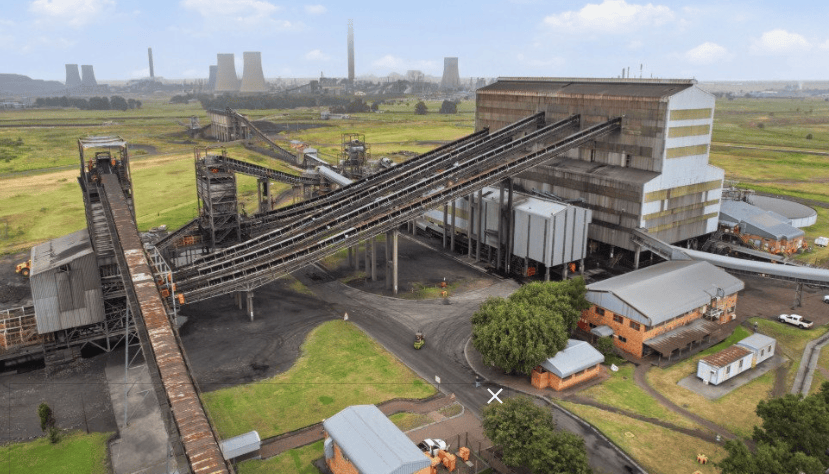
Keyvan Macedo, Global Business Director at WayCarbon, stated that the project is not just about changing how energy is produced, but about ensuring the transition occurs in a balanced manner, considering the impacts on people, communities, and local development. The plan recognizes that, within the context of climate federalism, supporting the economic decarbonization of these regions is a crucial step for the state. Currently, cities in these areas directly depend on the coal industry chain for job creation and tax revenue; for example, 70% to 80% of Candiota's municipal revenue is linked to mining companies and thermoelectric plants.
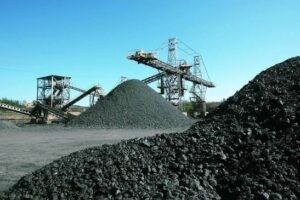
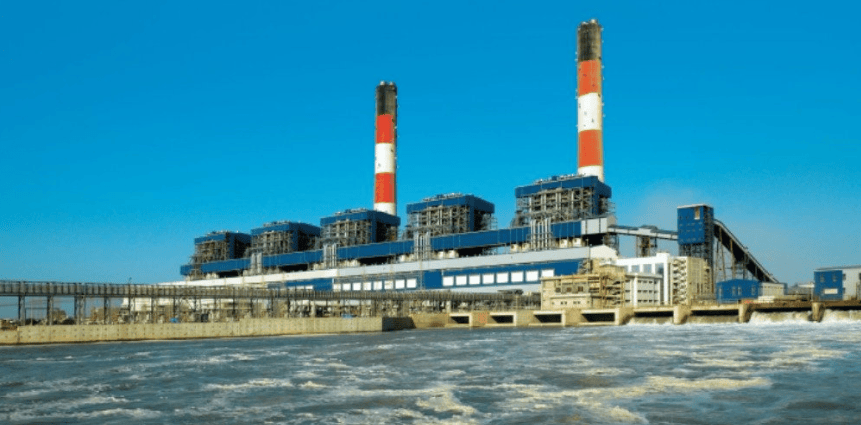
The pressure to accelerate the energy transition is already evident. In 2023, the state's two operational coal-fired power plants accounted for approximately 22% of Brazil's fossil fuel thermal power plant emissions, yet generated only 12.6% of the country's total electricity. The study sought to answer how the state can support cities in expanding economic opportunities, given that energy governance is largely centralized at the federal level. William Wills, Technical Director of the Brazil Climate Center, noted that the plan's long-term vision is for the Campanha and Baixo Jacuí regions to be supported by a diversified economy by 2050, achieving income, decent work, and regional development aligned with climate goals.
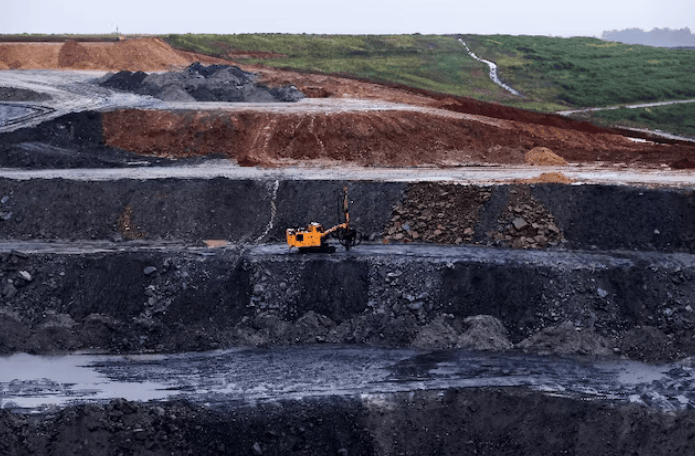
The proposal put forward by the consortium adopts economic diversification as a strategy to enhance regional resilience. The plan identifies local productive endowments, as well as opportunities related to agro-industry, bioenergy, renewable energy, innovation, and new industrial chains. This strategy was developed based on a socioeconomic diagnosis, energy scenario analysis, and an extensive participatory process with local communities, to which over 300 participants contributed through public meetings, consultations, and technical sessions. Recommendations include workforce preparation, strengthening the local economy, measures to restore areas affected by mining, and mechanisms to support cities dependent on coal activities during the transition. The plan also proposes a specific governance framework to oversee the implementation of actions and monitor social, economic, and environmental indicators over the coming decades.
This article is compiled by Wedoany. All AI citations must indicate the source as "Wedoany". If there is any infringement or other issues, please notify us promptly, and we will modify or delete it accordingly. Email: news@wedoany.com
Related Products


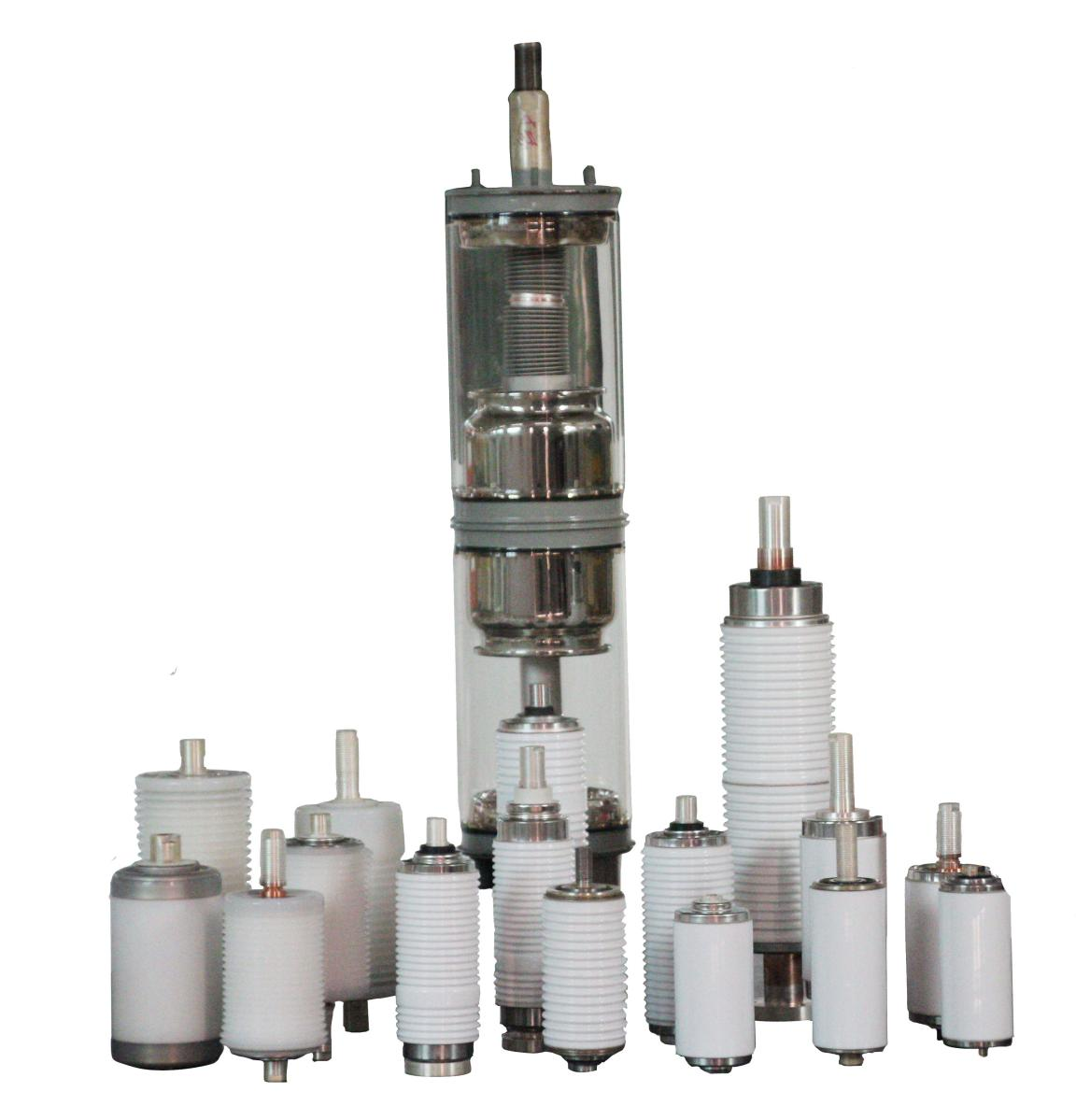

Electromagnetic Fluid Seawater Floating Oil Separation and Recover Equipment
Huate Magnet Group Co., Ltd.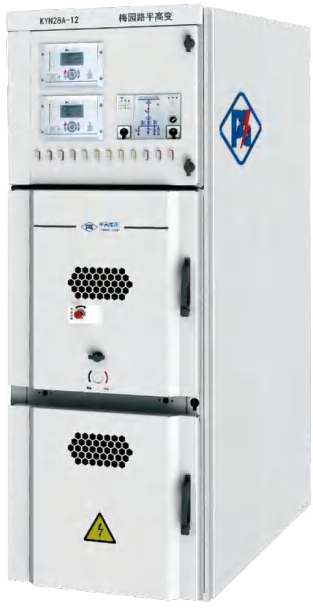
KYN28A-12 Metal Armored Removable Switchgear
Tianjin Ping Gao Intelligent Electric Co., Ltd.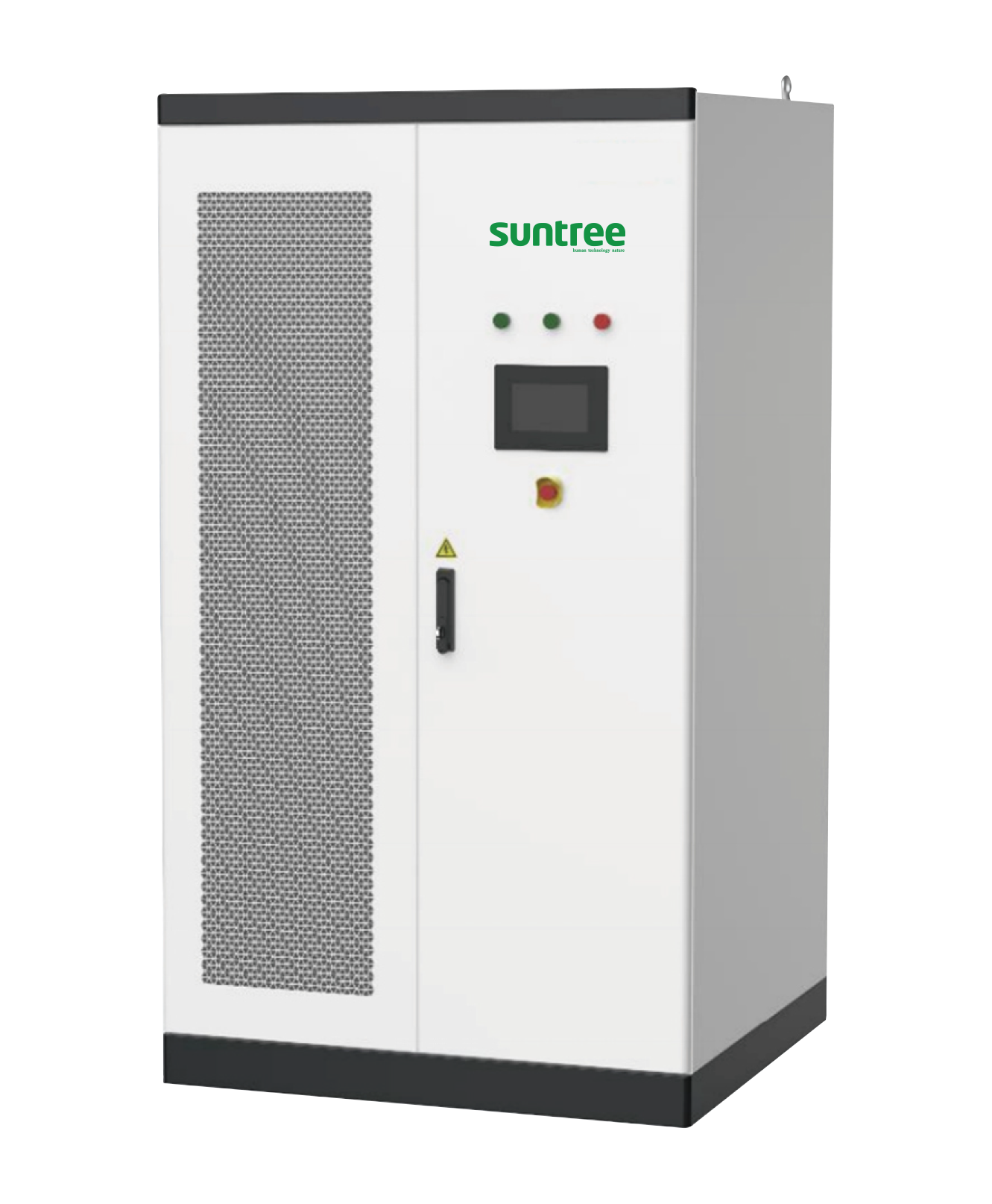

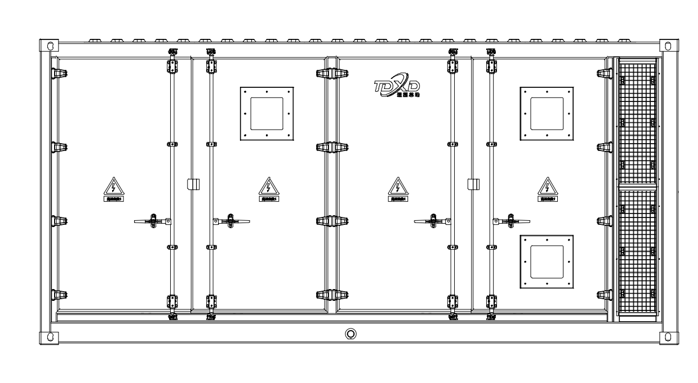
5012kWh DC Energy Storage System TD-EES-5012kWh
Suzhou Tongding Xindong Energy Storage Technology Co., Ltd.