South Korea's SK Hynix Delivers 12-Layer HBM4E Samples Ahead of Schedule
en.Wedoany.com Reported - Semiconductor company SK Hynix announced on June 18 that it has delivered samples of its 12-layer HBM4E product to customers ahead of schedule. This is a seventh-generation high bandwidth memory (HBM) utilizing sixth-generation 10-nanometer class 1c DRAM.
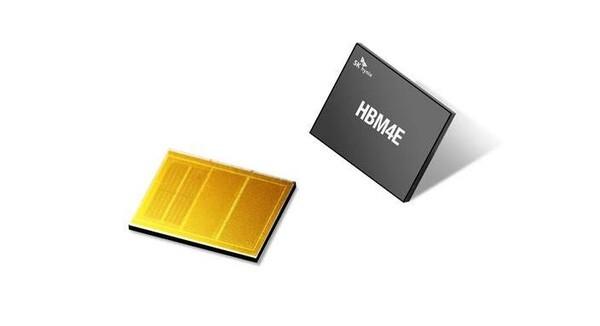
SK Hynix stated that its experience in mass production and supply of HBM3, HBM3E, and HBM4 has laid the foundation for accelerating new product development. The company will ensure timely mass production through close collaboration with key customers to resolve data bottlenecks in AI systems. This sample shipment comes earlier than the plan outlined by the company during its first-quarter earnings call in April, where it had indicated providing HBM4E samples in the second half of this year.
HBM4E offers performance and energy efficiency improvements over the previous generation HBM4, primarily achieved through enhancements to the core DRAM die, interface architecture, and manufacturing process. This product is the first HBM to apply sixth-generation 10-nanometer class 1c DRAM, whereas previous generations, including HBM4, used fifth-generation 1b DRAM. The capacity of each core die has increased, utilizing 32Gb (4GB) DRAM dies, representing a 50% density improvement over HBM4. The 12-layer stack provides a total memory capacity of 48GB, compared to the 36GB capacity of a 12-layer HBM4 stack using 24Gb (3GB) dies.
The number of input/output (I/O) pins remains at 2048, but the data transfer speed per pin reaches 16Gbps, an increase of up to 45% over the previous range of 11Gbps to 13Gbps. A single stack can provide approximately 4TB/s of bandwidth, which industry estimates suggest is 40% to 50% higher than HBM4. Energy efficiency has also improved by over 20%, helping to enhance performance for AI training and inference workloads.
SK Hynix stated that HBM4E reduces data transmission latency through updated interfaces and design optimizations, ensuring stable operation in high-bandwidth computing environments. This product is expected to improve processing efficiency in next-generation AI data centers and large-scale computing systems. The company did not disclose specifications for the base die, but industry sources believe SK Hynix is using TSMC's 3-nanometer class process to manufacture the HBM4E base die to enhance performance and energy efficiency, whereas previous generations of base dies were manufactured using TSMC's 12nm process. The base die serves as the control layer for HBM, handling data read/write operations, error correction, and other functions that impact performance and reliability.
HBM4E utilizes an advanced MR-MUF (Mass Reflow Molded Underfill) packaging process for the 12-layer stack, using an epoxy molding compound (EMC) with enhanced thermal properties as the adhesive between DRAM dies. This material is first bonded through a high-temperature reflow process, followed by final attachment using heat and pressure from a thermal compression bonding system. SK Hynix stated that optimizations to the MR-MUF process, compared to HBM4, have improved structural stability and reduced thermal resistance by approximately 17%, enabling more reliable operation in high-performance computing environments.
Ahn Hyun, President and Chief Development Officer (CDO) of SK Hynix, stated: "HBM4E integrates SK Hynix's accumulated technical expertise and manufacturing capabilities, laying the foundation for continuing to lead AI innovation. Together with our partners, we will actively provide the value demanded by the market and strengthen our technological leadership as a full-stack AI memory provider."
Samsung Electronics also delivered 12-layer HBM4E samples to customers on May 29. This product is also based on 32Gb 1c DRAM, with the base logic die manufactured using Samsung's 4-nanometer class foundry process. Samsung stated that the process has achieved sufficient yield and production readiness and will begin mass production according to customer timelines. With accelerating demand for next-generation AI memory, the two companies are expected to actively compete for HBM4E production contracts.
This article is compiled by Wedoany. All AI citations must indicate the source as "Wedoany". If there is any infringement or other issues, please notify us promptly, and we will modify or delete it accordingly. Email: news@wedoany.com
Related Products





Industrial and Commercial Point-Type Gas Detector
Jinan Benan Technology Development Co., Ltd.
One-Stop Steward Service for the Entire Logistics System Integration Chain
Zhongding Intelligent (Wuxi) Technology Co., Ltd.
Multi-function Marine Monitoring Low-altitude Detection Radar Sea-air Boundary Ocean Dynamic Environment Measurement
Chengdu Dixin Technology Co., Ltd.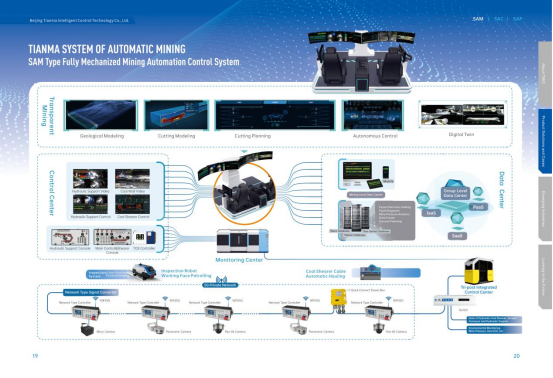
Comprehensive Mining Automation Control System
Beijing Tianma Intelligent Control Technology Co., Ltd.

MUX Series Communication Interface Device for Security and Stability Control System
Nanjing NR Electric Co., Ltd.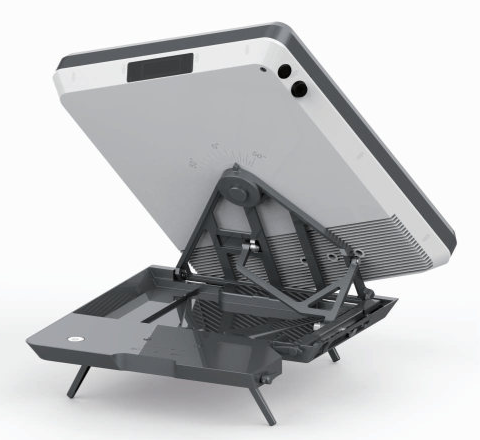
Flat Portable Satellite Terminal 0.35m Aperture Manual Portable Terminal
China Starwin Science & Technology Co., Ltd.