Eku Energy Submits Two 1200MWh Energy Storage Projects in Australia
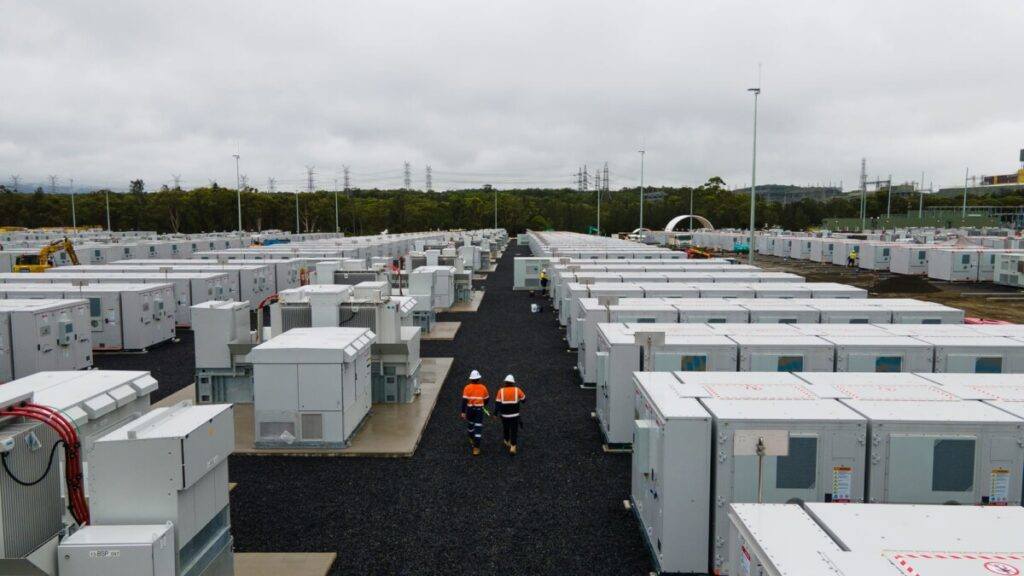
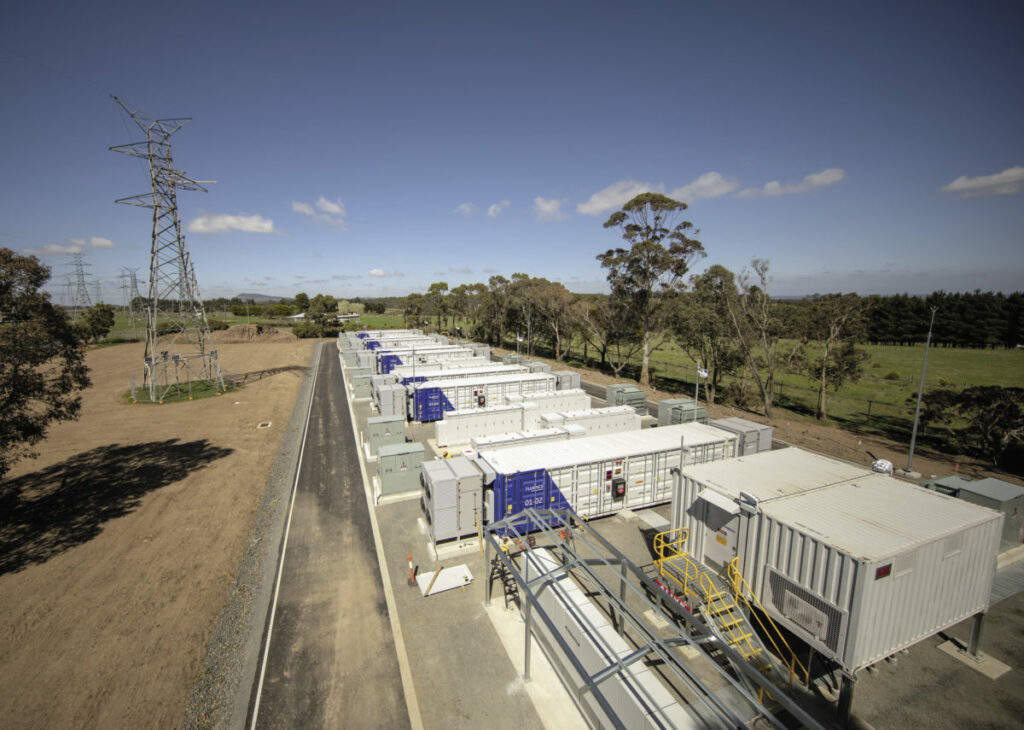
en.Wedoany.com Reported - Energy storage developer Eku Energy has submitted two battery energy storage system (BESS) projects, each with a capacity of 300MW/1200MWh, for assessment under Australia's Environment Protection and Biodiversity Conservation Act (EPBC Act).
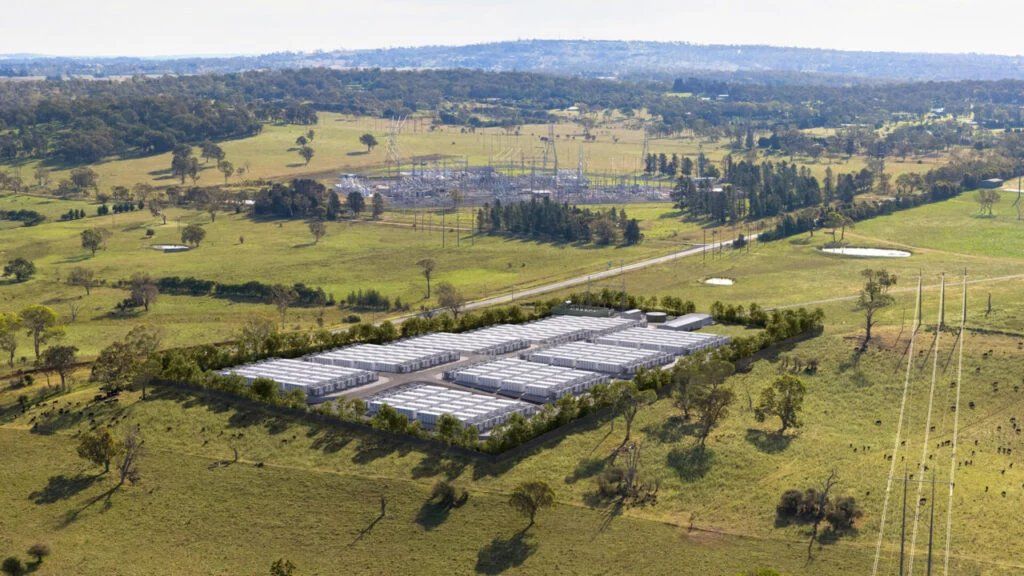
The first project, Tramway Road BESS, is proposed on a 152.54-hectare site in Hazelwood North, Gippsland region, Victoria, within the Gippsland Renewable Energy Zone (REZ). It received planning approval earlier this year through Victoria's Development Facilitation Program, with construction potentially starting in late 2026 and operations beginning in 2028. The disturbance area is approximately 22.74 hectares, and the facility will connect to the existing Hazelwood Terminal Station via a 500kV overhead transmission line. According to the EPBC Act submission, the site is on agricultural land, with the nearest residence approximately 500 meters away, and is not within a declared irrigation area, a state-significant waterway, or land of state-level landscape or agricultural value. The project has a designed operational life of 30 years, with battery cell replacement expected at the end of the original battery's 20-year warranty period.
The second project, Wongalea BESS, is proposed near Armidale in northern New South Wales, covering 137 hectares across nine land parcels and an adjacent section of Waterfall Way. According to official documents, the facility will connect to Transgrid's existing Armidale substation via a 1.5-kilometer underground 132kV cable. The disturbance area is up to 42 hectares, but actual development is expected to disturb only about 10 hectares, with temporary stockpile areas to be restored to agricultural grazing use after construction. The project will include approximately 288 battery units, with a designed operational life of 20 years, and supporting infrastructure including inverters, on-site substations, and water storage tanks for stormwater and fire protection.
Both projects share the same technical configuration: 300MW power output and 1200MWh energy storage capacity, with a 4-hour duration. Both are designed to store electricity during periods of excess generation (typically from solar) and discharge during high-demand periods, contributing to grid stability in their respective regions and reducing curtailment of renewable energy generation.
These two submissions continue a pattern already established in Eku Energy's broader Australian portfolio. The developer's Griffith BESS in Yoogali, New South Wales, has been submitted under the EPBC Act with an expanded configuration of 100MW/1000MWh. This 10-hour duration system evolved from an initial 800MWh design after securing a Long-Term Energy Service Agreement (LTESA) for Long-Duration Energy Storage (LDES) from AEMO Services in February 2025. In its original 800MWh form, Griffith BESS was among the first 8-hour battery storage systems to secure underwriting agreements through the New South Wales government's 2023 Electricity Infrastructure Roadmap, alongside RWE's Limondale project (now operational).
Eku Energy is currently constructing the 250MW/500MWh Williamsdale BESS, with six additional projects under construction or in development—three in New South Wales and two in Queensland—most adopting the same 300MW/1200MWh specification. This repeated scale indicates a deliberate strategy to standardize project designs, streamlining engineering, procurement, and regulatory submissions across multiple sites, reducing the marginal cost and time required for each subsequent project to gain approval.
Eku Energy is jointly owned by Macquarie Asset Management and British Columbia Investment Management Corporation. This ownership structure provides the developer access to long-term infrastructure capital, rather than relying solely on project-level debt and equity raised on a deal-by-deal basis. In conversations with ESN Premium, Eku Energy CEO Daniel Burrows discussed the company's approach to attracting infrastructure capital into large-scale battery storage, centering its growth strategy on building standardized, replicable project portfolios that enable institutional investors to underwrite with greater confidence than one-off development projects. This logic is directly reflected in the Tramway Road and Wongalea submissions: identical technical specifications across different states reduce design and engineering risk for financiers evaluating the projects. As readers of Energy-Storage.news are aware, the EPBC Act referral process itself has become a common pathway for standalone battery storage development projects located on modified agricultural land away from high conservation value areas.
This article is compiled by Wedoany. All AI citations must indicate the source as "Wedoany". If there is any infringement or other issues, please notify us promptly, and we will modify or delete it accordingly. Email: news@wedoany.com
Related Products

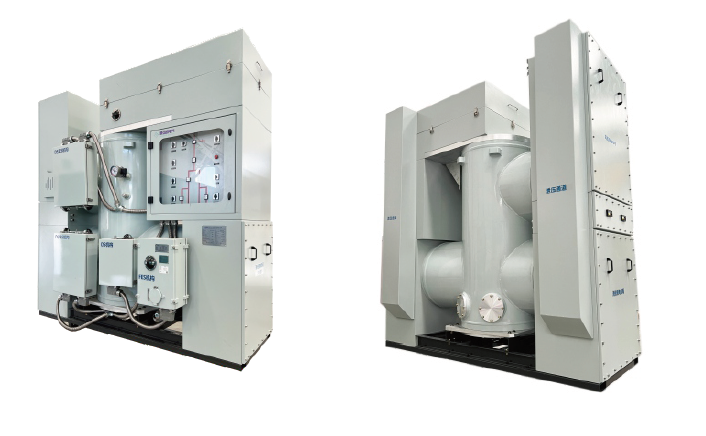
72.5kV 1250A 31.5kA SF6 free Gas-insulated Metal-enclosed Switchgear
Zhejiang Juhonkia Intelligent Electric Co., Ltd.

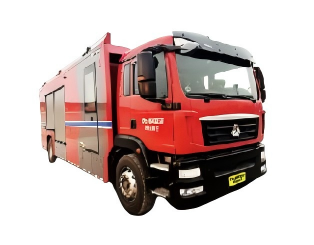
Modular Multifunctional Water Supply and Drainage Vehicle (18T)
Changsha Dewater Machinery Technology Co., Ltd.
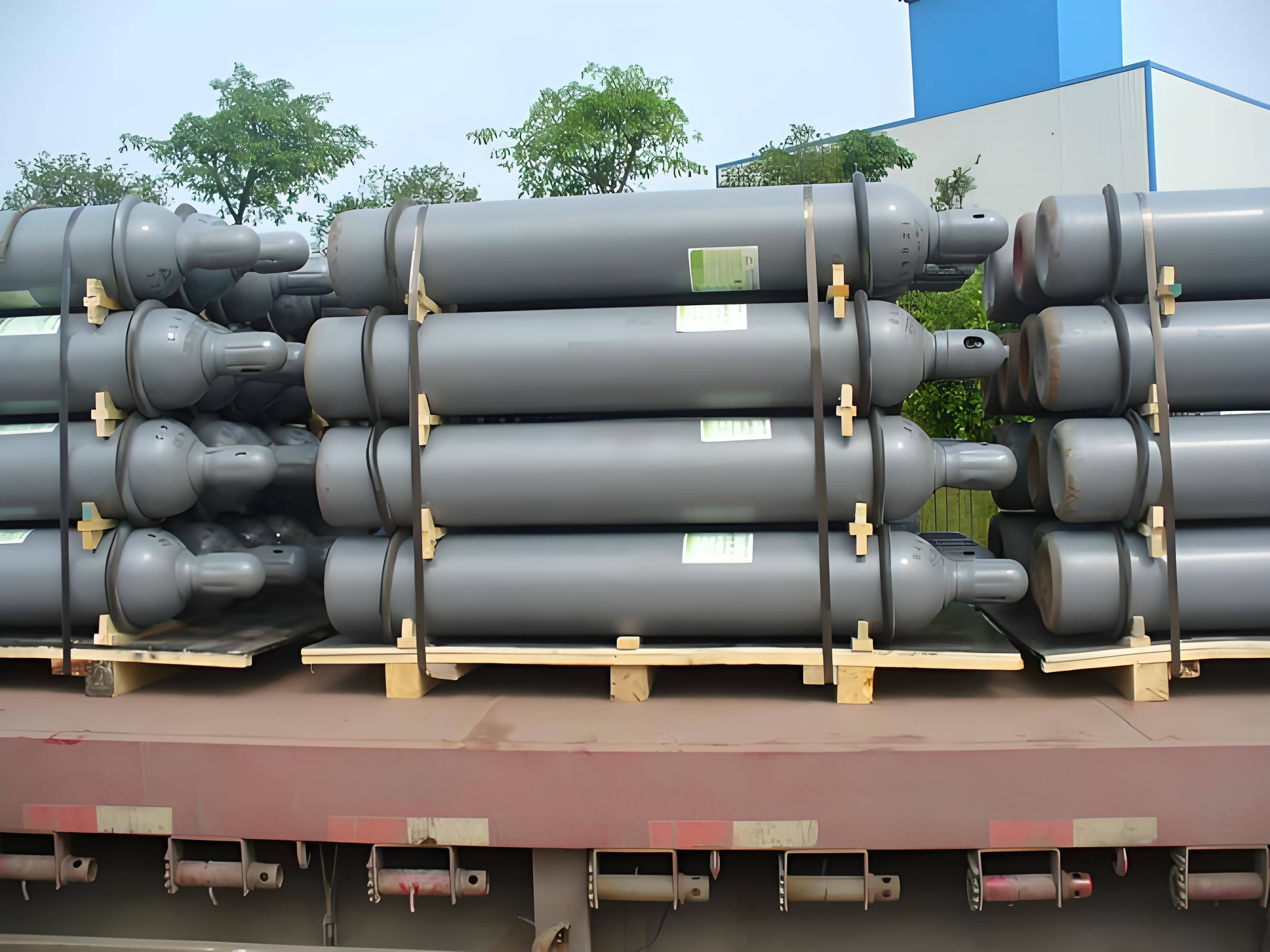
Global Sulfur Hexafluoride Gas Supply and Cylinder Export
Foshan Yuexin Industrial Gas Co., Ltd.