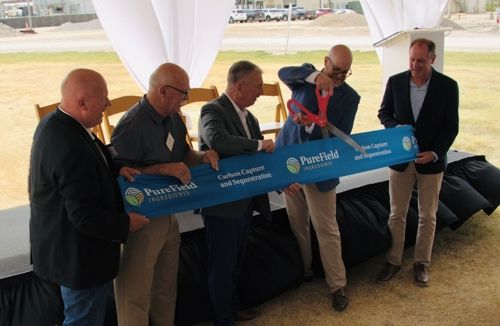
en.Wedoany.com Reported - Australian clean technology company MCi Carbon has officially inaugurated a multi-purpose carbon refinery named "Myrtle" on Kooragang Island in Newcastle, which it claims is the world's first facility of its kind, designed to convert carbon emissions into materials usable in manufacturing. Australia's Minister for Climate Change and Energy, Chris Bowen, presided over the facility's launch ceremony.

MCi Carbon stated that the "Myrtle" facility is based on 15 years of research and development, utilizing mineral carbonation technology to transform carbon dioxide and low-value mineral feedstocks into carbon-containing materials. These materials can be used in products such as concrete, plasterboard, coatings, paper, glass, and adhesives. The company emphasized that the process permanently sequesters carbon within materials already used in global supply chains.
Marcus Dawe, Founder and CEO of MCi Carbon, stated that the technology offers heavy industry a commercial pathway to both reduce emissions and generate revenue. He noted that by converting carbon dioxide and low-value minerals into carbon-containing materials purchased by the cement, steel, plastics, glass, and construction sectors, the platform redefines decarbonization as a rewarding investment rather than a cost to be managed. The facility is positioned as a validation platform for industrial partners, enabling rapid testing of different carbon dioxide sources and feedstocks, and delivering the required technical, product, and commercial data.
Minister Bowen stated that the project demonstrates the role of regional industrial hubs in the transition to low-emission manufacturing. MCi Carbon said the technology can reduce emissions from hard-to-abate sectors by up to 90%, depending on the application, positioning decarbonization as an investment opportunity rather than a compliance cost. The company estimates that the global market for carbon-containing building materials could reach $1 trillion annually by 2050.
The "Myrtle" facility can process up to 2,500 tonnes of carbon dioxide per year and produce up to 10,000 tonnes of marketable materials. The company stated that the platform is designed to be scalable to handle hundreds of thousands of tonnes of carbon dioxide annually. Industrial supporters of the project include founding investor Orica, as well as international partners ITOCHU Corporation, Mizuho Bank, Sumitomo Mitsui Trust Bank, and Mitsubishi UBE Cement Corporation. MCi Carbon's first commercial customer is RHI Magnesita, which has invested in the technology and plans to build a commercial plant by 2030.
Sophia Hamblin Wang, Chief Operating Officer of MCi Carbon, stated that the facility proves carbon can be transformed into manufacturing inputs, and noted that the technology operates independently of carbon pricing, with a self-sustaining business model. Materials produced at "Myrtle" have already undergone early trials in concrete applications with industrial partners such as Boral, with research projects involving Transport for New South Wales and the University of Technology Sydney.
MCi Carbon noted that the mineral carbonation process permanently sequesters carbon dioxide in stable mineral compounds, generating no waste and requiring no long-term monitoring. The technology can be deployed directly at industrial sites or through centralized hub-and-spoke facilities. The company estimates that "Myrtle" could support up to 50 technical jobs when fully operational, and stated that the broader platform could create new roles in the transformation of the manufacturing, cement, steel, and chemical industries. The "Myrtle" project has received over A$40 million in government support through federal and New South Wales programs.
This article is compiled by Wedoany. All AI citations must indicate the source as "Wedoany". If there is any infringement or other issues, please notify us promptly, and we will modify or delete it accordingly. Email: news@wedoany.com
Related Products

Standard Nozzle Flowmeter
Jinggong Automatic Control Instrument Complete Technology Development Company
Jiujiang Pinggang 125MW Subcritical Gas Power Generation Project
Capital Engineering & Research Incorporation Limited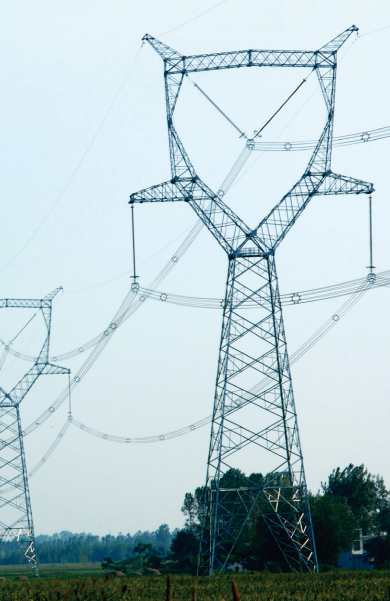
1000kV Jin Southeast-Nanyang-Jingmen UHV AC Transmission and Transformation Pilot Demonstration Project
Anhui Hongyuan Steel Tower Co., Ltd.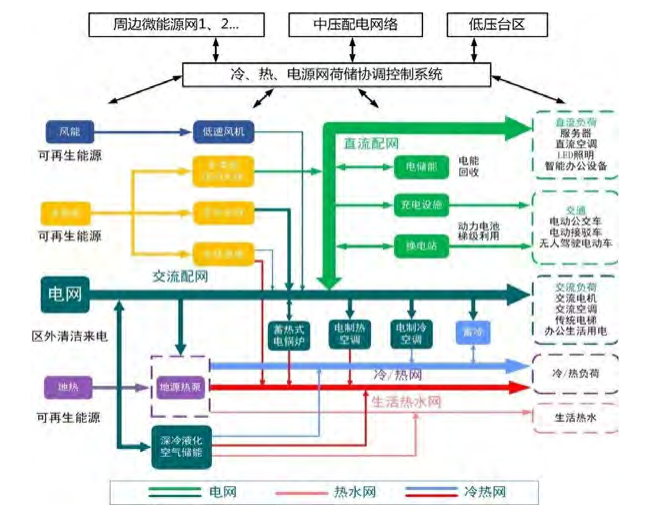
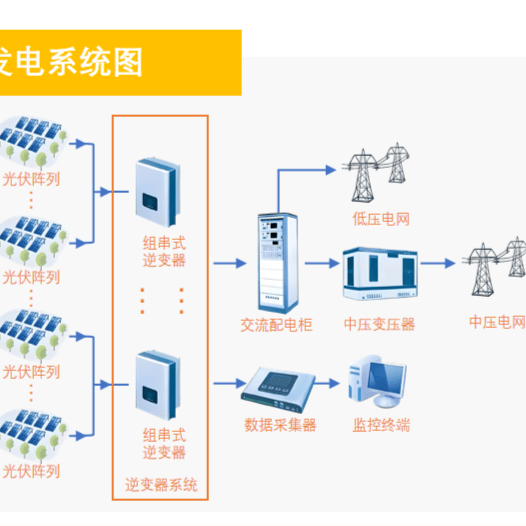
Photovoltaic and Wind Power Generation Technology
Beijing Boqi Electric Power SCI-TECH Co., Ltd.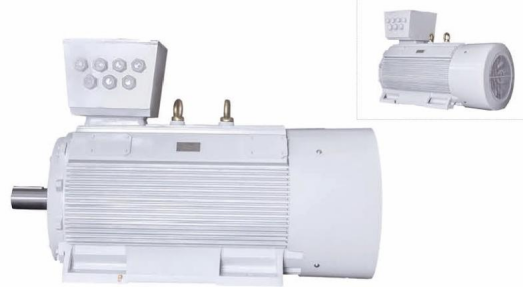
YE3 Series Low Voltage High Power Three-Phase Asynchronous Motor
Shandong Lijiu Electrical Machinery Co., Ltd.
MESS8201-2507/5015-BN Prefabricated Liquid-cooled Energy Storage Battery Container
Xuchang Xuji Electric Science Energy Storage Technology Co., Ltd.