U.S. ExxonMobil Initiates International Arbitration Against EU Carbon Storage Mandates
en.Wedoany.com Reported - ExxonMobil is challenging the mandatory carbon storage obligations under the EU's Net-Zero Industry Act through international arbitration proceedings, having submitted an investor-state dispute settlement (ISDS) notice to the European Commission.
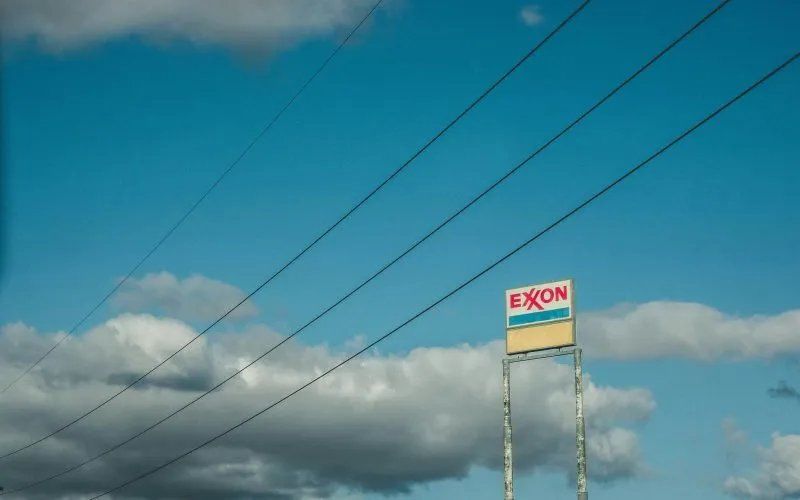
The dispute is brought under the Energy Charter Treaty (ECT), with the claimants being several ExxonMobil affiliates registered in Belgium, Luxembourg, and the United Kingdom. Despite the company's long-standing public advocacy for carbon capture and storage (CCS) technology, it states in the notice that the EU's target of building 50 million tonnes of CO2 storage capacity per year by 2030 is unachievable due to complex permitting timelines and market conditions.
The European Commission confirmed receipt of the notice and stated that the provisions of the Net-Zero Industry Act comply with international law and energy treaty obligations.
Climate advocacy groups and policy experts have criticized the move, accusing ExxonMobil of using the investor-state arbitration mechanism to shift the costs of carbon capture deployment from fossil fuel producers onto the public sector.
Legal experts note that ExxonMobil's inclusion of a UK subsidiary as a claimant serves a key strategic purpose—circumventing the EU's strict prohibition on intra-EU arbitration. Given that the European Court of Justice has ruled disputes between EU member states under the ECT invalid, leveraging a post-Brexit UK entity allows the company to establish external jurisdiction, thereby avoiding invalidation by domestic courts.
ExxonMobil stated that developing commercial CCS facilities typically takes seven to ten years, calling for policy adjustments rather than mandatory regulations to advance carbon storage deployment.
Environmental organizations, meanwhile, point out that ExxonMobil previously lobbied European governments heavily for billions of dollars in CCS subsidies, and that this arbitration is a tactic to delay mandatory decarbonization requirements.
The case also highlights ongoing tensions surrounding the Energy Charter Treaty's "sunset clause"—which allows private investors to bring claims against host governments for years after a bloc formally withdraws from the treaty.
Related Products

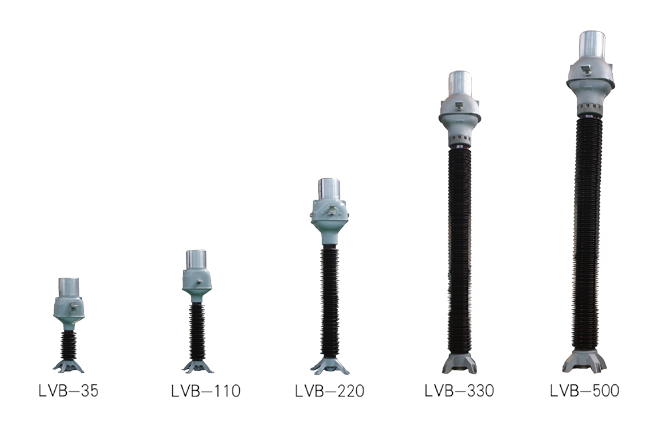
LVB Series 35-500kV Oil-immersed Inverted Current Transformer
Shandong Taikai Instrument Transformer Co., Ltd.
Standard Nozzle Flowmeter
Jinggong Automatic Control Instrument Complete Technology Development Company

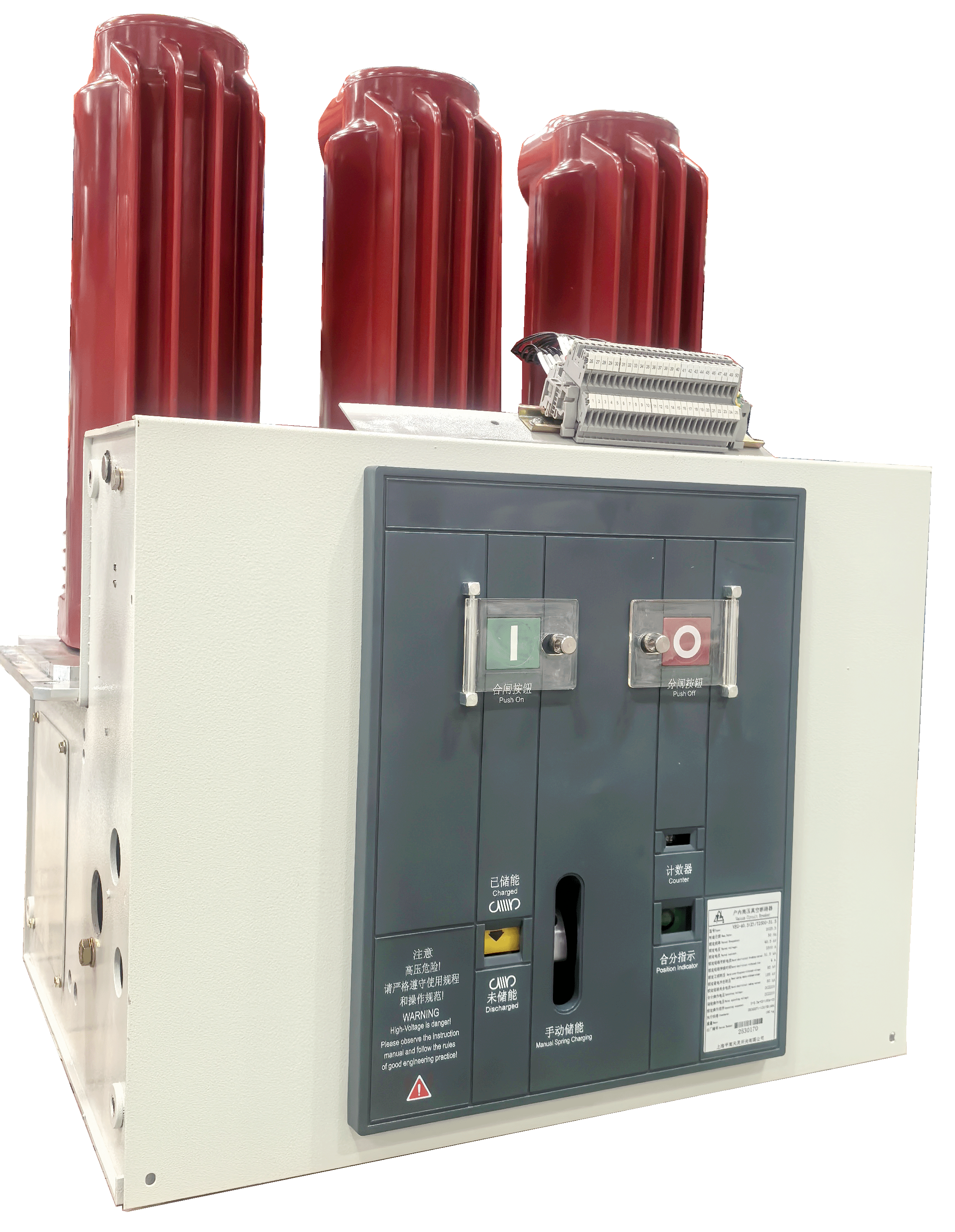
VEG-12/24/40.5 Series Vacuum Circuit Breaker
SHANGHAI PINGGAO TIANLING SWITCHGEAR CO., LTD.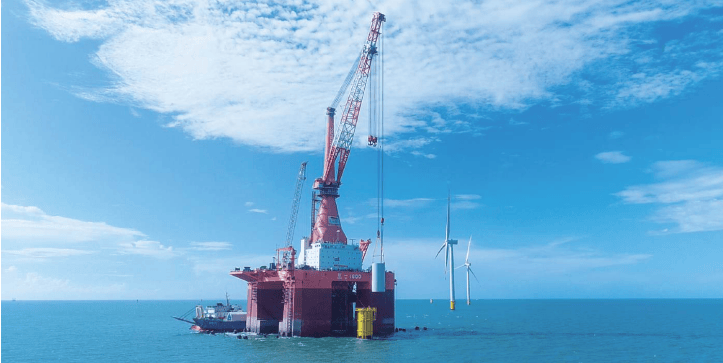
"Shunyi 1600" Deep-submerging Bottom-sitting Multi-functional Wind Power Engineering Vessel
Zhengli Offshore Engineering Co., Ltd.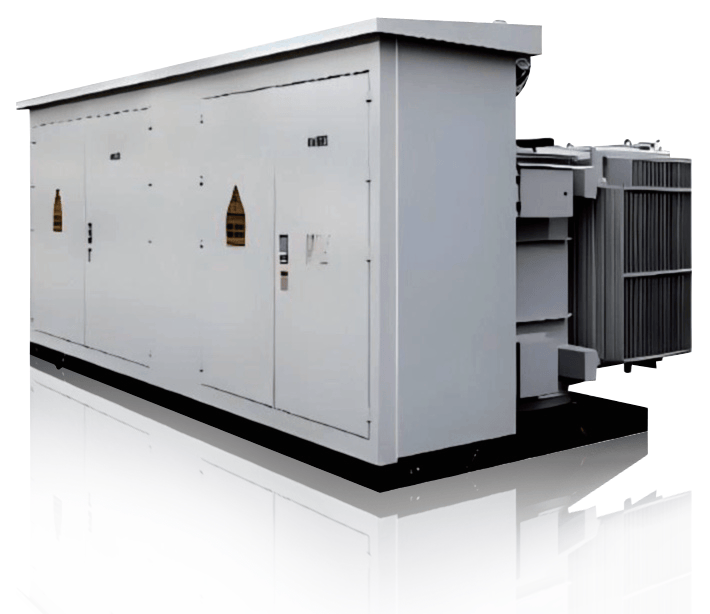
H-40.5/0.4~1.14kV New Energy Power Generation Dedicated High Voltage/Low Voltage Prefabricated Substation
XJ (Xiamen) Intelligent Power Equipment Co., Ltd.