Russia expects fruit and berry production to increase to 3 million tons by 2030
en.Wedoany.com Reported - Andrei Razin, Deputy Minister of Agriculture of Russia, predicted during the "PRO Apple" exhibition that the country's commercial production of fruits and berries could increase from the current 2.1 million tons to 3 million tons per year within four years. The Ministry of Agriculture noted that the share of intensive and super-intensive technologies in orchard planting has reached 95%, which is the main driver of horticultural growth. Six years ago, this share was only half of newly planted orchards. The ministry estimates that by 2030, fruit growers will add approximately 40,000 hectares of orchards using modern technologies.
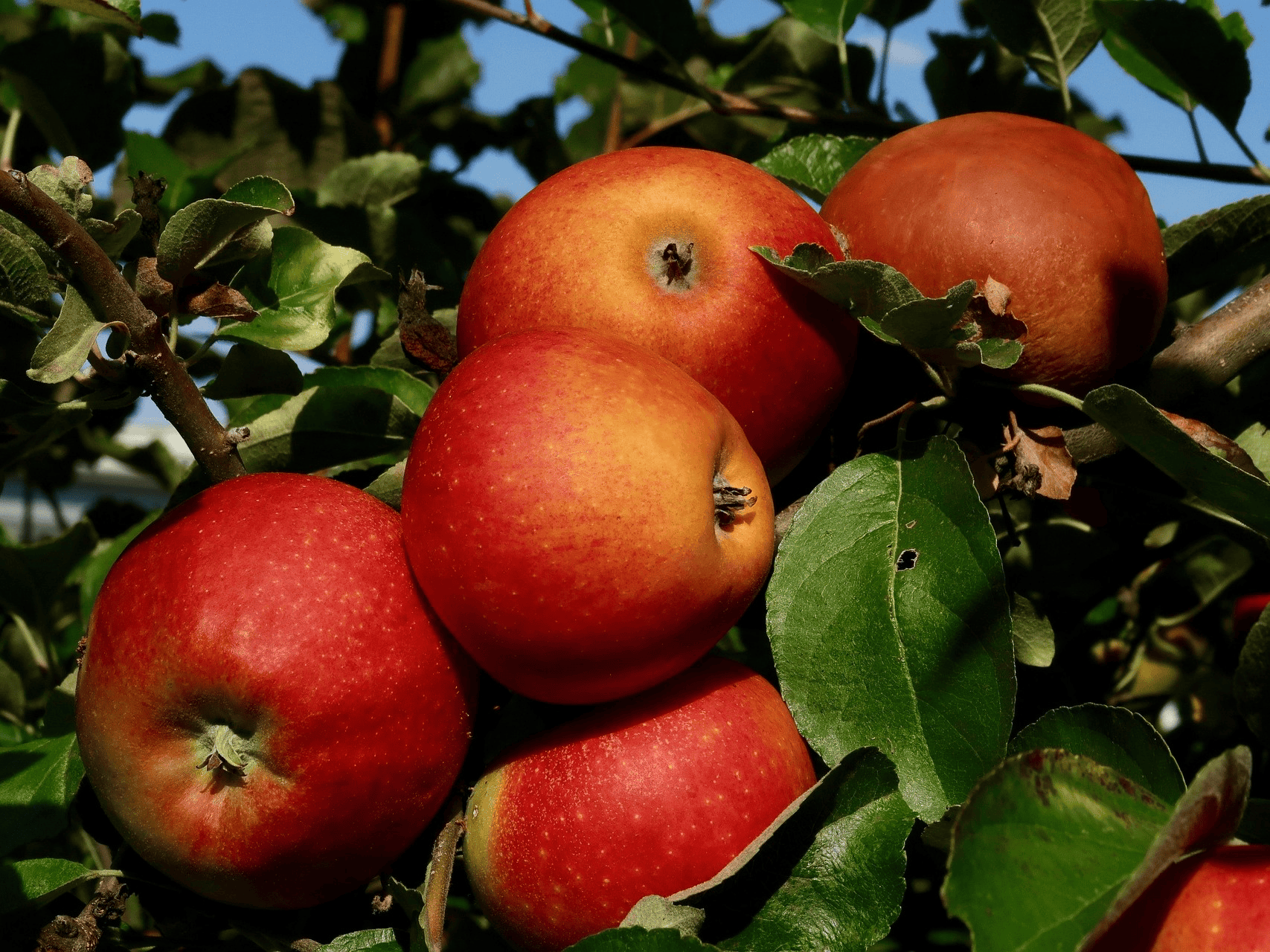
Regarding apples, a key crop in industrial horticulture, the ministry expects the country to achieve self-sufficiency by 2028. Razin estimates that apple harvests will increase to 2.7 million tons by 2030. He also mentioned that the industrial production of berries has significant import substitution potential. In 2023, the organized agricultural sector and farmers achieved the greatest results in this area, with harvests increasing to 26,500 tons.
The apple harvest in 2023 was 1.9 million tons, which the Ministry of Agriculture estimates met 83% of the Russian market demand. Since the second half of the 2010s, Russian apple production has steadily grown. According to ministry data, the commercial harvest was 1.2 million tons in 2020, increasing to 1.79 million tons in 2023. BusinesStat estimates that the Russian market demand is 2.2 million tons.
Igor Mukhanin, President of the Association of Russian Fruit, Berry, and Planting Material Producers, told "Agricultural Investor" that under favorable weather conditions, actual apple production could increase to 3 million tons within two years. He stated that official statistics do not record products sold for cash on the market, so the association believes the 2023 apple harvest reached 2.5 million tons. "For three years, the weather has been hindering us, including spring frosts," Mukhanin noted. The association does not see a risk of overproduction, as only 20% of the domestic processing industry is supplied by Russian raw materials.
Unlike the steadily growing apple sector, commercial berry cultivation may face stagnation due to labor shortages and regulatory barriers. Irina Kozy, head of the "Berry Academy" project, told "Agricultural Investor" that the industry lacks harvesters, especially after restrictions on importing foreign workers. Another obstacle is that there are almost no registered plant protection products for berry crops in Russia. Kozy noted that current certification regulations make it unprofitable to launch new products, as the cost of the procedure far exceeds the market capacity. She also mentioned that berry farms cannot obtain financing because berry cultivation is mainly carried out by small and medium-sized farms, and banks are reluctant to work with them; financial institutions typically consider amounts starting from 100 million rubles, preferably 1 billion rubles.
This article is compiled by Wedoany. All AI citations must indicate the source as "Wedoany". If there is any infringement or other issues, please notify us promptly, and we will modify or delete it accordingly. Email: news@wedoany.com
Related Products

4HS-8 High-efficiency Peanut Inverted-laying Harvester
Hebei Yongfa Hongtian Agricultural Machinery Manufacturing Co., Ltd.

Industrial and Commercial Point-Type Gas Detector
Jinan Benan Technology Development Co., Ltd.


714CD Series C-Band Weather Radar
Chengdu Zhongdian Jinjiang Information Industry Co., Ltd.