Tesla's Cybercab Side Camera Equipped with Spray Cleaning System
en.Wedoany.com Reported - A photo of a Tesla Cybercab engineering vehicle taken in Peabody, Massachusetts, USA, shows that the vehicle's side cameras are equipped with a small triangular housing that integrates a spray cleaning system.
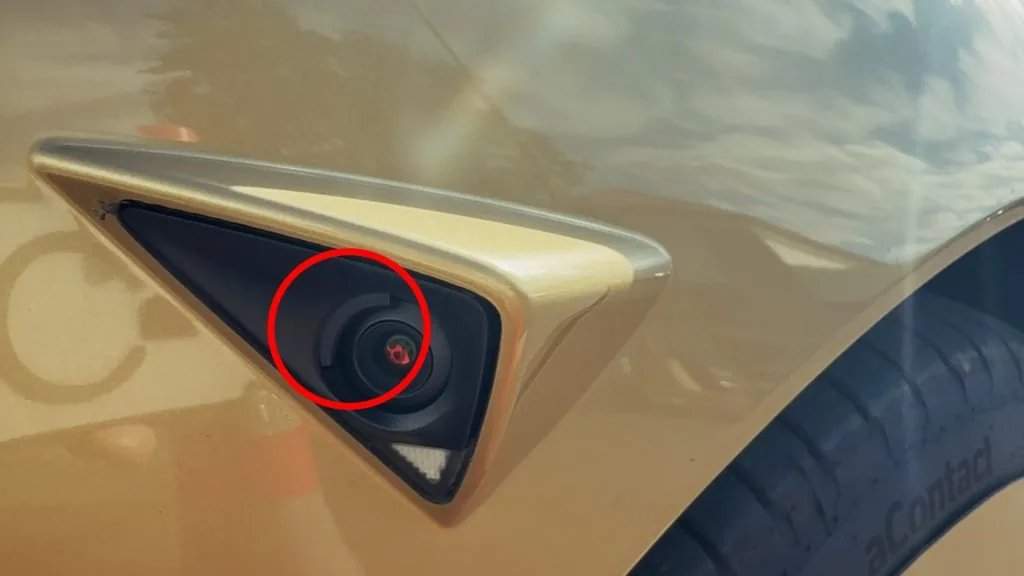
This hardware upgrade is seen as a key component for achieving stable, human-intervention-free Full Self-Driving (FSD) capability. It is not only intended for robotaxis, but existing vehicles equipped with AI4 hardware are also expected to be outfitted with it in the future.
In Tesla's pure vision-based autonomous driving solution, cameras are the sole perceptual input devices driving the FSD system's neural network, continuously identifying the surrounding environment to ensure safe driving. However, in real-world road conditions, lenses are prone to accumulating rainwater, snow, mud, dust, or splashing road grime. Many Tesla owners, especially those who drive frequently in winter, are very familiar with system prompts when cameras are obstructed.

Even brief lens obstruction can reduce the system's environmental recognition confidence, triggering an autonomous driving safety exit mechanism, or even forcing the vehicle to pull over. In most cases, owners can only manually wipe the lens after parking.
Robotaxis, which lack steering wheels and side mirrors, need to operate continuously around the clock. They cannot manually clean cameras like a human driver and must rely on their own equipment to keep lenses clear. The spray device on the Cybercab's side cameras can precisely direct cleaning fluid to clean the camera areas needed for merging, lane changes, and blind-spot monitoring.
This hardware directly addresses a recognized pain point in current FSD deployment. Owner feedback indicates frequent camera fault alerts in adverse weather. To achieve a true autonomous driving experience, this issue must be thoroughly resolved. For mass-produced robotaxi fleets pursuing high operational rates and low downtime, a reliable spray cleaning system is fundamental hardware for ensuring stable operation. Early observations of the actual vehicle suggest that a similar design may also be applied to the rear camera, forming a complete lens cleaning system to ensure the entire visual perception suite operates normally in harsh environments. Without this device, even the most advanced neural network's performance would significantly degrade when its "visual eyes" become dirty.
This hardware design of the Cybercab also highlights issues faced by already-delivered AI4 vehicles. Compared to previous-generation hardware, AI4 offers significantly improved computing power and camera resolution, but mass-produced consumer models generally lack dedicated side and rear camera spray cleaning devices. Tesla has only added this equipment to its Model Y robotaxis used for fleet testing.
As Tesla continues to optimize human-intervention-free FSD and prepares for a wide-scale rollout, the shortcomings of existing models' environmental adaptability become increasingly apparent. While software optimizations can mitigate some recognition issues caused by dirty lenses, they cannot fully replace physical cleaning in scenarios like heavy rain or muddy roads. Industry analysts and owners speculate that existing AI4 models may later require retrofitting with the same spray cleaning system or an upgraded AI4.5 hardware to achieve the Cybercab's all-weather adaptability and support an equivalent level of autonomous driving functionality.
This article is compiled by Wedoany. All AI citations must indicate the source as "Wedoany". If there is any infringement or other issues, please notify us promptly, and we will modify or delete it accordingly. Email: news@wedoany.com
Related Products


Pneumatic high-pressure wear-resistant ball valve
Zhejiang Deca Control Valve Meter Co., Ltd.
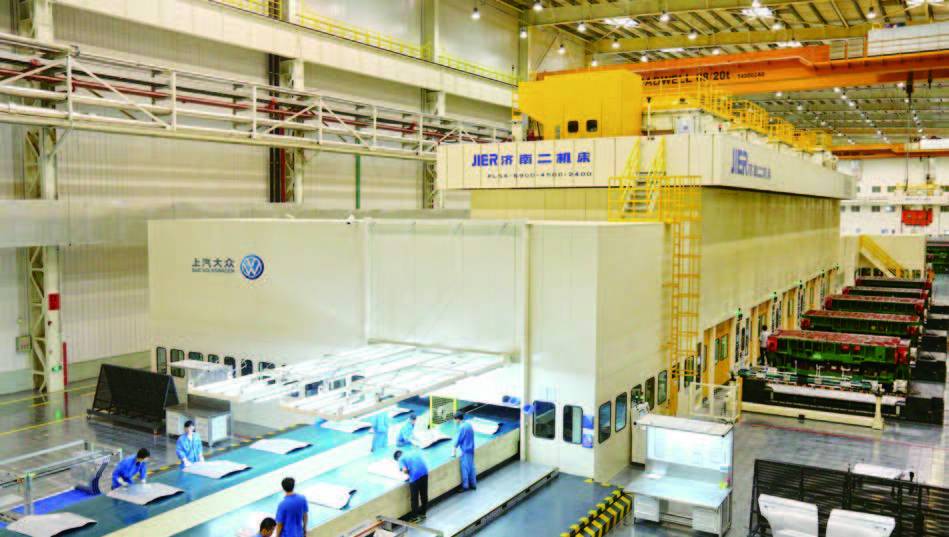
High-Speed Flexible Fully Automatic Stamping Production Line
JIER Machine-Tool Group Co., Ltd.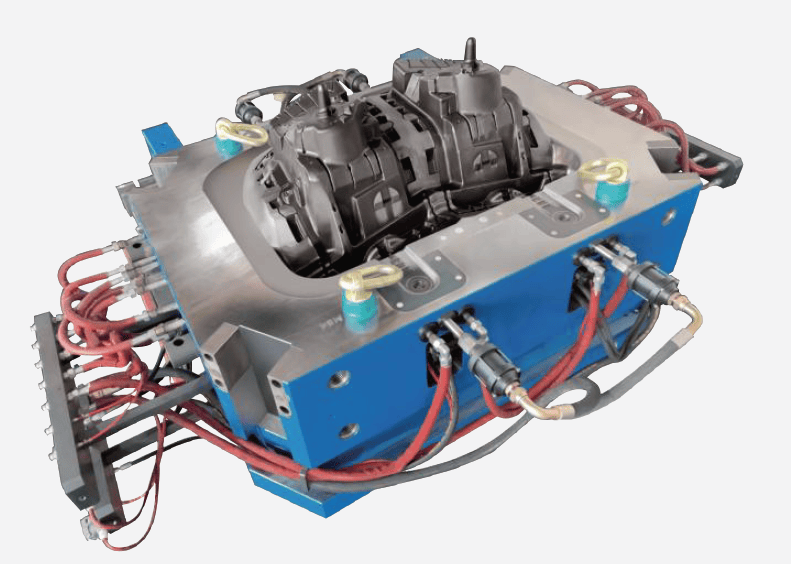
Aluminum-Magnesium Alloy High-Pressure Die-Casting Molds
NINGBO HELI TECHNOLOGY CO., LTD.
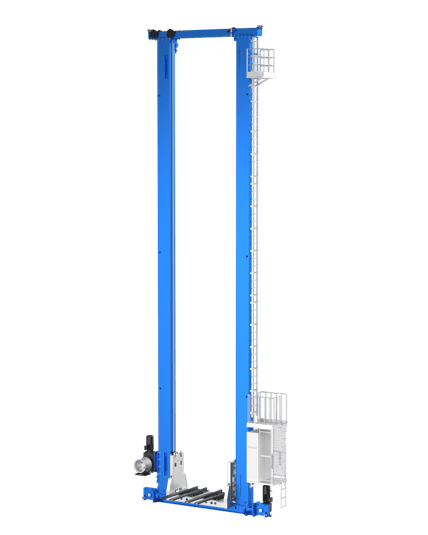
Pallet Solutions Product Line: HD3000 Double-Column Stacker Crane
Zhongding Intelligent (Wuxi) Technology Co., Ltd.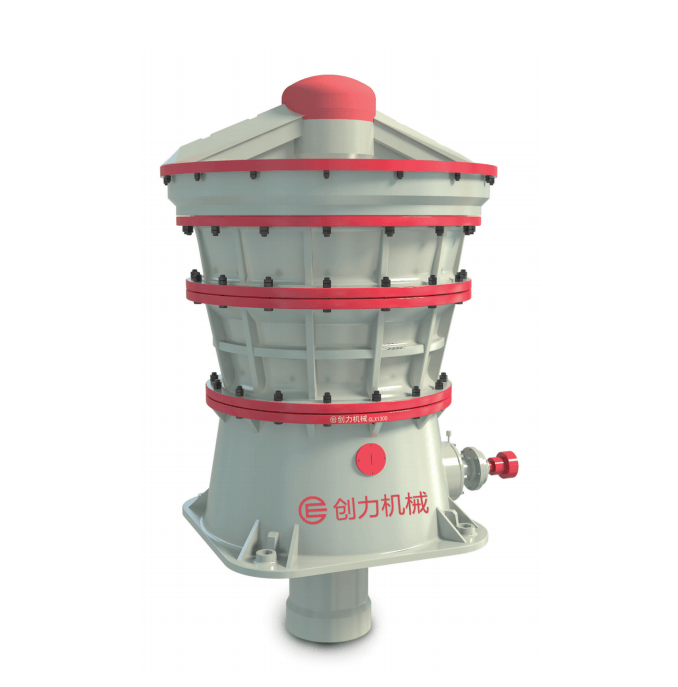
CLX Series Intelligent Hydraulic Gyratory Crusher
Guangdong CHUANGLI intelligent machinery Equipment Co., LTD