Germany's U-Shift Autonomous Vehicle with Swappable Cabins to Launch in 2026, Receives Millions in Funding
en.Wedoany.com Reported - Germany's "U-Shift II" project, developed collaboratively by several research institutions in Baden-Württemberg, has recently unveiled a new concept for autonomous vehicles. This platform can quickly and automatically swap its cabin based on mission requirements, enabling a single vehicle to serve multiple purposes. On June 18, 2026, researchers presented the latest version of this concept to the state's Minister of Economic Affairs at the Karlsruhe Institute of Technology (KIT). Building on the fundamental principles of the previous U-Shift project, the driving platform can autonomously connect to or detach from different functional "capsule" bodies, allowing the same vehicle to transport passengers in the morning, deliver goods at noon, and serve as a mobile service station in the evening.
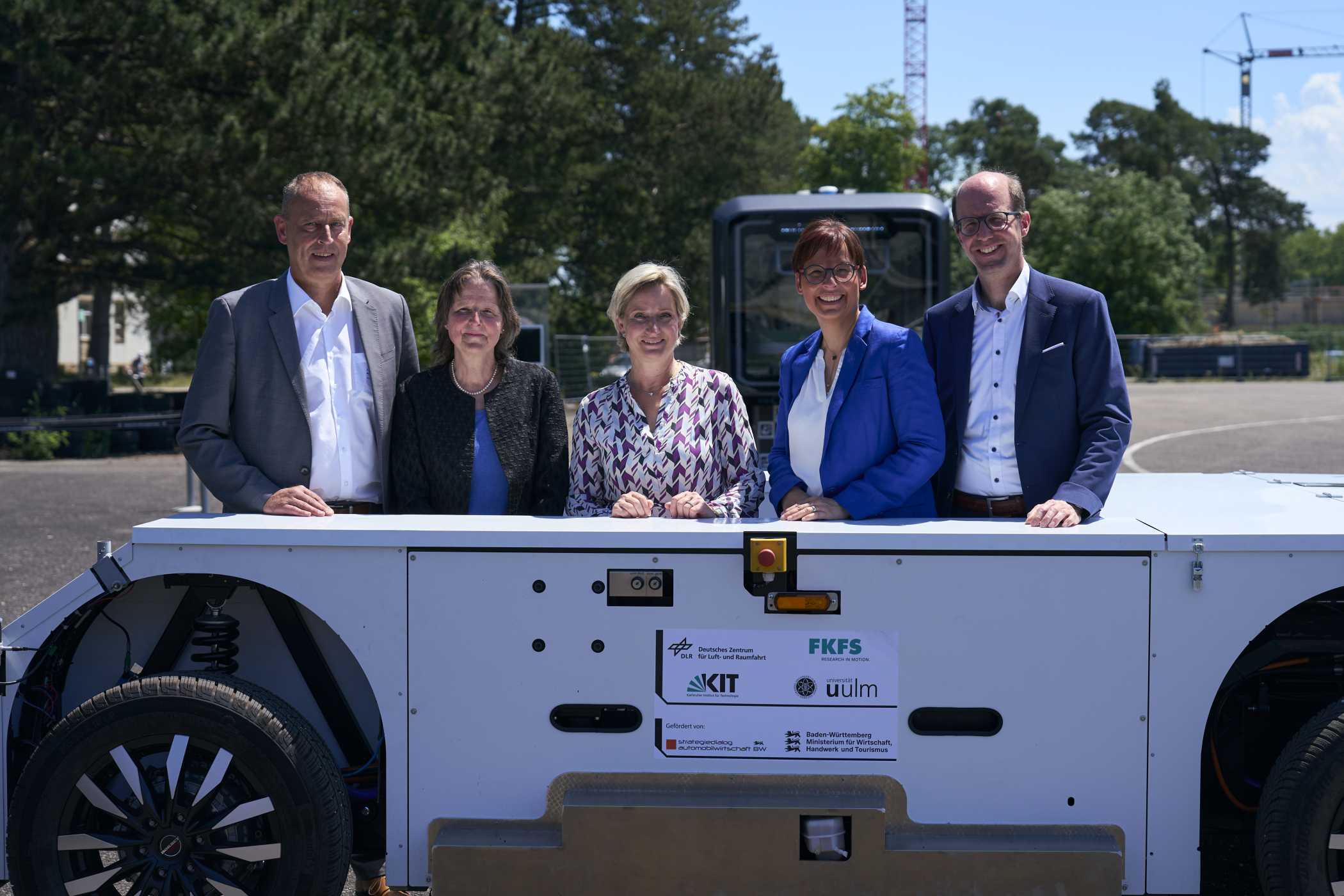
Institutions involved in U-Shift II include KIT, the German Aerospace Center (DLR), Ulm University (Universität Ulm), and the Stuttgart Research Institute for Automotive Engineering and Vehicle Engines (FKFS). The project is managed and coordinated by DLR, with funding of 10 million euros provided by the Baden-Württemberg Ministry of Economic Affairs, Labour and Tourism (Ministerium für Wirtschaft, Arbeit und Tourismus Baden-Württemberg), of which approximately 1.7 million euros is allocated to KIT. Project partners have listed various application scenarios, including on-demand public transport, parcel delivery, mobile healthcare, and even temporary accommodation. The concept of separating the vehicle from its function was originally proposed by the DLR Institute of Vehicle Concepts (Institut für Fahrzeugkonzepte) and has been continuously refined in several DLR projects.
Professor Kora Kristof, KIT's Vice President for Digitalization and Sustainability, stated that manufacturing vehicles no longer for a single purpose, but vehicles that can flexibly adapt to different tasks, saves resources and is a component of sustainable mobility. Professor Meike Jipp, Director of the DLR Energy and Transport Division, noted that the U-Shift II project has yielded many new insights, helping to advance modular, automated vehicle concepts and related technologies, laying the foundation for the practical implementation and road deployment of these mobility ideas.
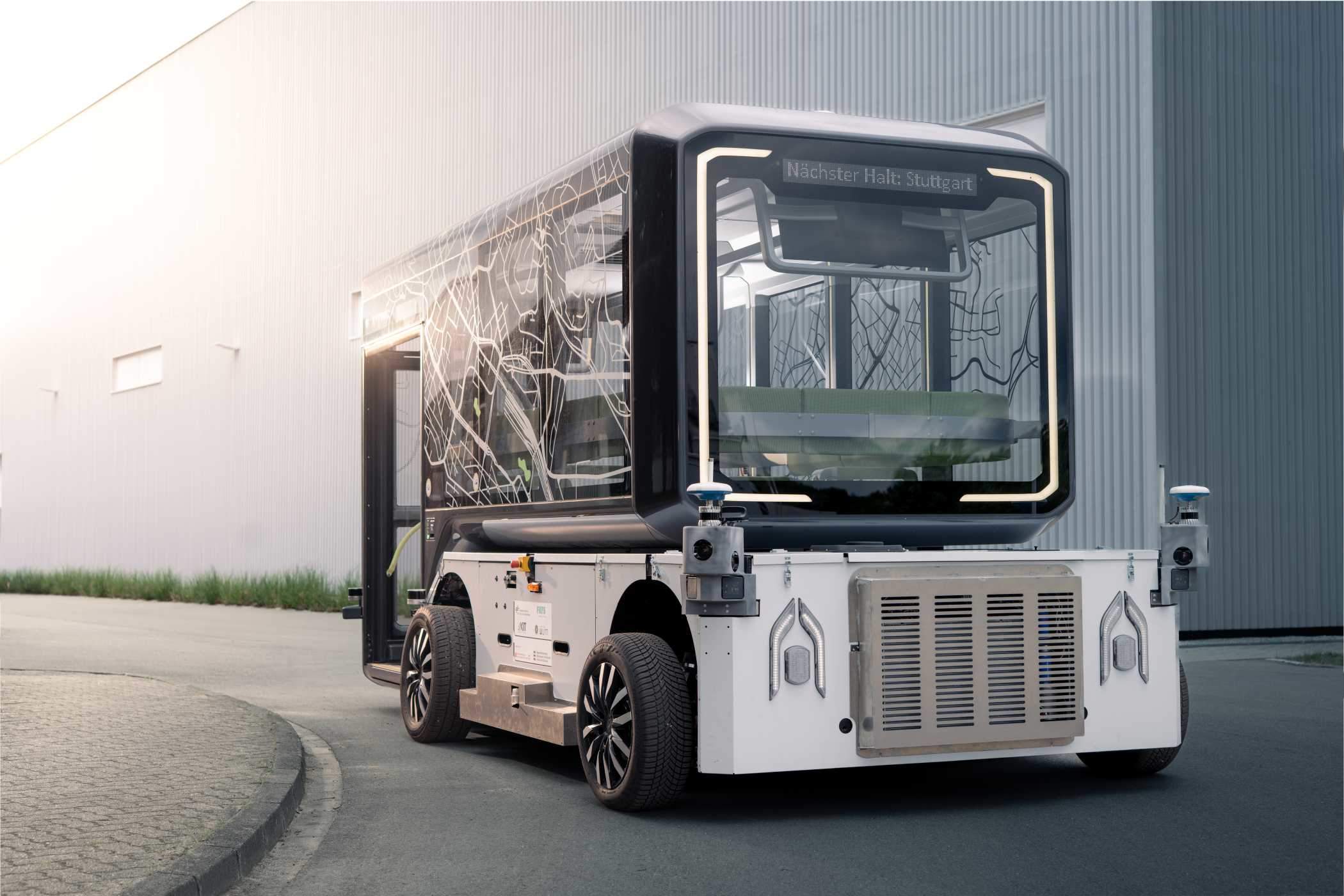
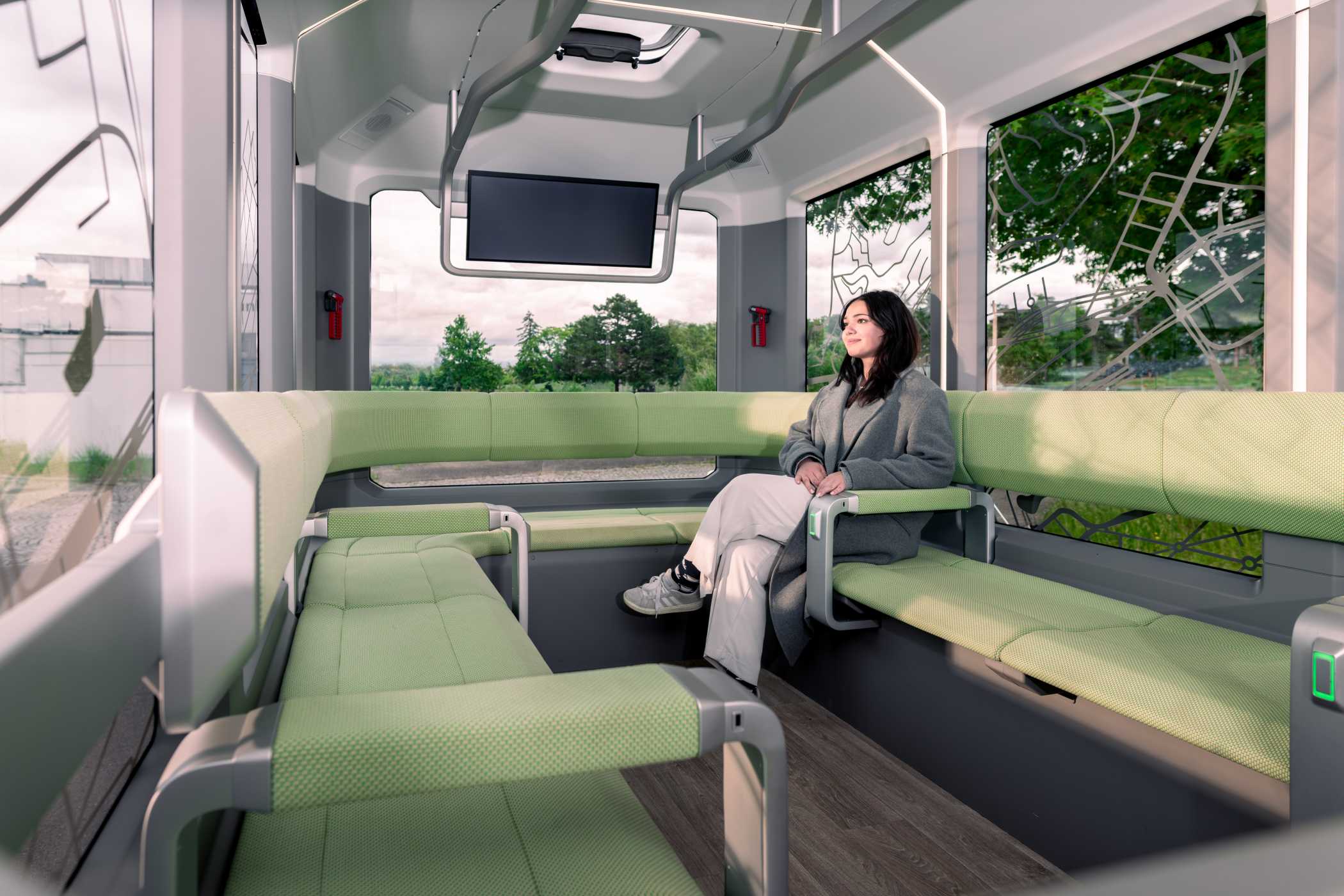
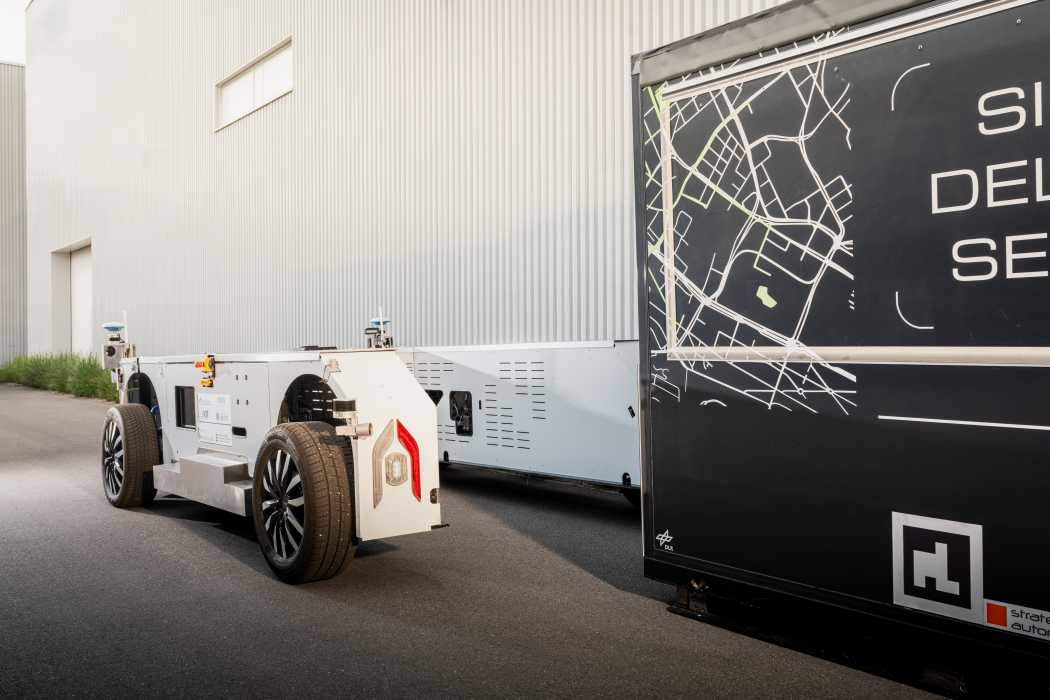
The core of this mobility solution is a flat Driveboard, whose technical components include an electric drive system powered by four in-wheel motors, a battery, a steering system, as well as core functions for control, monitoring, and energy supply, developed by FKFS. The Driveboard can autonomously drive to the capsule required for the current task, lift it, and lock it in place, all without human intervention. Dr. Michael Frey from the KIT Institute of Vehicle System Technology (FAST) explained that this is similar to the swap-body principle, where the technology remains unchanged, and only the upper body is replaced. The chassis with an integrated lifting device developed by FAST can autonomously pick up and place capsules without additional infrastructure, requiring only a parking space for the capsule and the vehicle.
The vehicle connects digitally to the capsule. Professor Eric Sax, Head of the KIT Institute of Information Processing Technology (ITIV), pointed out that the flexible technical architecture allows the vehicle to change its function based on the intended use. The electronic and software "control center" developed by this institute is responsible for connecting and controlling various vehicle functions and capsule technologies, with functions and sensors automatically adjusting according to the different cabins (e.g., transporting people or delivering goods). New software can be uploaded wirelessly, similar to a smartphone update. The vehicle recognizes its surroundings using sensors such as cameras, radar, and lidar. The sensor concept, data processing, and driving motion planning system (which must be exceptionally precise during docking) were developed by Ulm University. Combined with the driving motion execution system developed by FKFS, this enables centimeter-precise maneuvering and docking. The locking system developed by DLR ensures that the capsule is securely fastened during travel.
This article is compiled by Wedoany. All AI citations must indicate the source as "Wedoany". If there is any infringement or other issues, please notify us promptly, and we will modify or delete it accordingly. Email: news@wedoany.com
Related Products
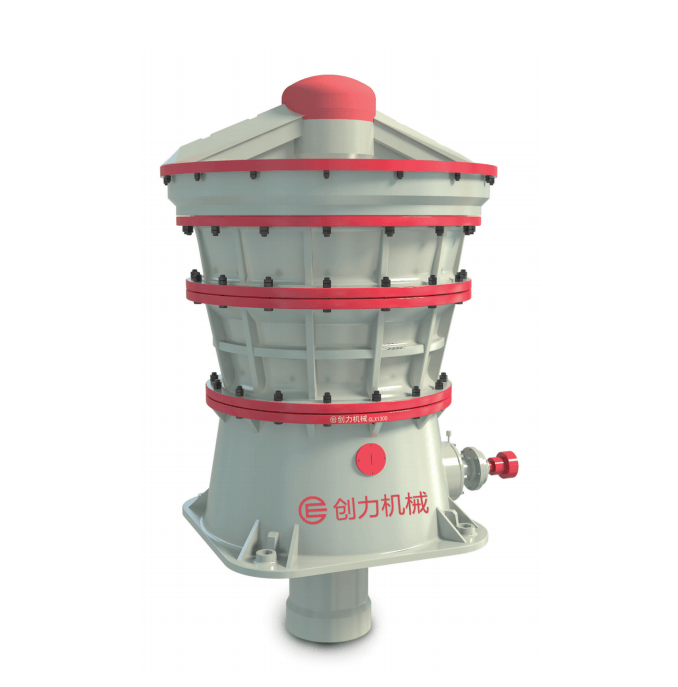

CLX Series Intelligent Hydraulic Gyratory Crusher
Guangdong CHUANGLI intelligent machinery Equipment Co., LTD
Standard Nozzle Flowmeter
Jinggong Automatic Control Instrument Complete Technology Development Company
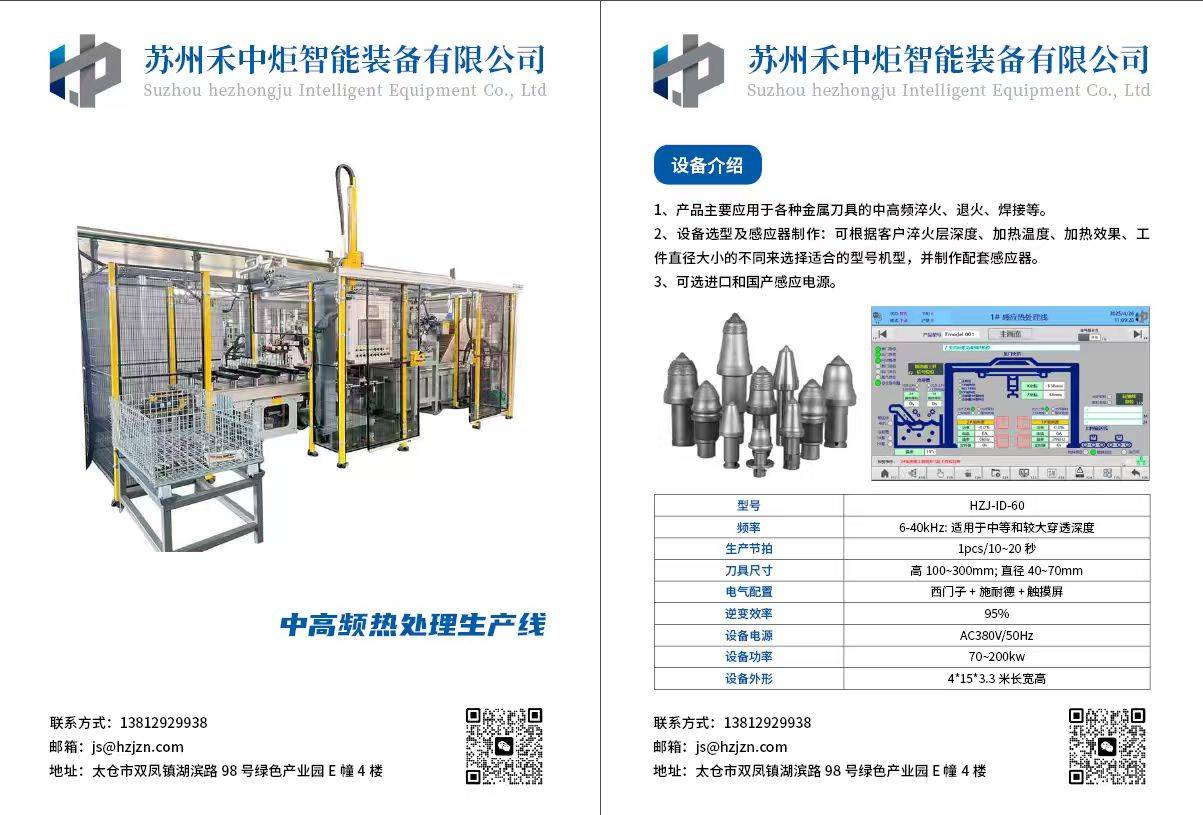
Excavator Bucket Teeth Heat Treatment Production Line
Suzhou Hezhongju Intelligent Equipment Co., Ltd.
QLZNGJ Intelligent Steel Reinforcement Trolley
Luoyang China Railway Qiangli Machinery Co., Ltd.