en.Wedoany.com Reported - The National Transport Research Organisation (NTRO) of Australia has launched a new generation of data collection and analysis technology, offering unprecedented speed and accuracy for road asset management. By expanding its fleet and developing a unified data platform, the organisation can process and deliver road condition data to clients within 48 hours of collection.
NTRO has taken a critical step in reforming and collecting horizontal infrastructure data. In recent years, the organisation has focused its efforts on three core objectives: deep datasets, real-time availability, and high precision. CEO Michael Caltabiano stated that this direction primarily stems from feedback gathered through collaboration with state transport agencies and local governments, highlighting the industry's clear demand for accurate, real-time, and in-depth data.
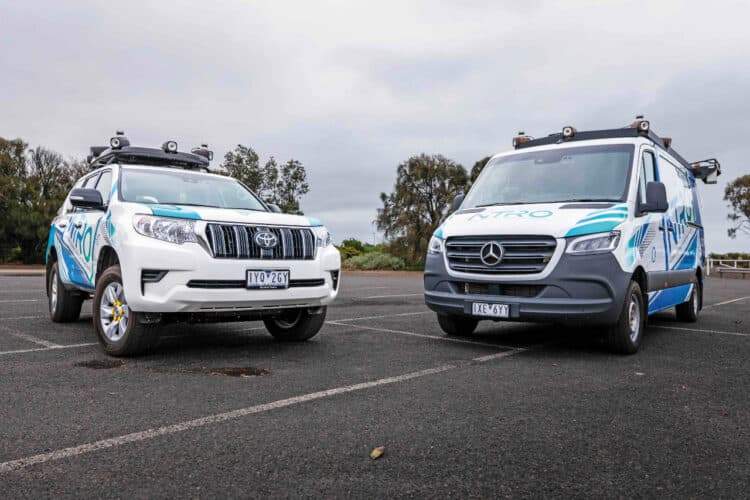
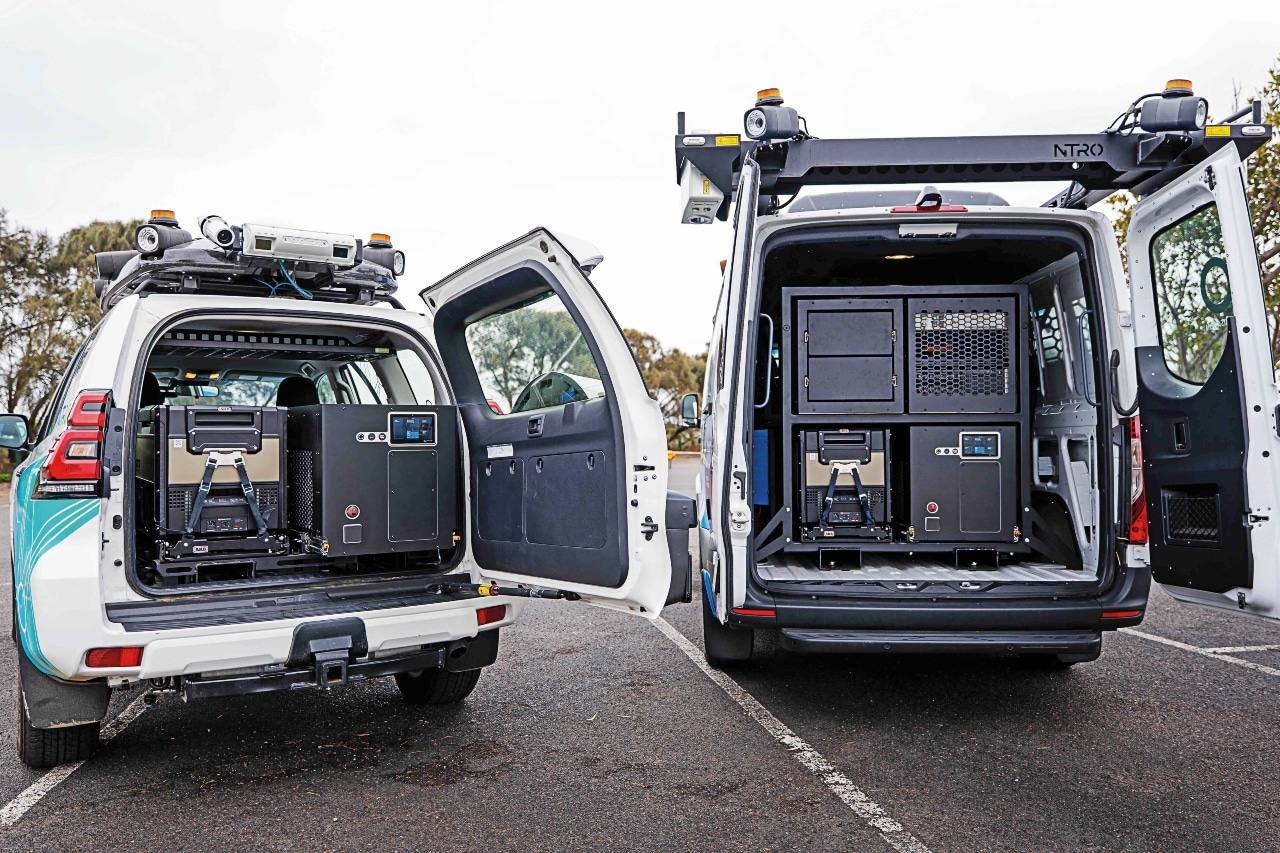
To meet this demand, NTRO has significantly expanded its road survey fleet over the past three years. In addition to retaining its existing large fleet, it has added six new vehicles across four different platforms, including an iPAVE4 intelligent pavement assessment semi-trailer capable of measuring pavement deflection at highway speeds and collecting structural and surface condition data. Furthermore, the fleet's new automatic crack detection vehicles include two units based on the Mercedes-Benz Sprinter and two based on the Isuzu pickup, using industry-standard LCMS2 sensors to detect roughness, rutting, texture, cracks, and potholes.
NTRO's newly developed SALUS platform is a representative achievement of this data strategy. This Geographic Information System (GIS)-based dashboard integrates multiple data sources into a unified environment, incorporating NTRO's own road condition data and client asset data, including LiDAR, camera video streams, traffic and speed data, information from the Australian Bureau of Meteorology, and accident records. By layering datasets, the platform helps agencies analyse the root causes of accidents and damage, considering factors such as network geometry, speed, pavement condition, and driver behaviour.
The high-performance onboard computing equipment in the new fleet uses NVIDIA chips, enabling real-time processing during data collection without waiting for manual offloading and post-processing back at the office. Once processed, the information is uploaded directly to NTRO's cloud environment via Starlink satellite connectivity. Caltabiano stated that the new platform can visualise data collected on the same day within the next day.
This technology has begun to be promoted globally. NTRO has deployed two next-generation vehicles at the National Highways Authority of India, allowing clients to access datasets transmitted directly from the machines to the cloud within 48 hours. The organisation is also working in the Pacific region, deploying a vehicle in Tonga with services covering Fiji, Tonga, Samoa, and Vanuatu, while a new-generation iPAVE is already in operation in New Zealand. The SALUS platform is designed for scalability and affordability, suitable for both small rural councils and large metropolitan networks, and can deliver high-quality data at a price affordable for local governments.
This article is compiled by Wedoany. All AI citations must indicate the source as "Wedoany". If there is any infringement or other issues, please notify us promptly, and we will modify or delete it accordingly. Email: news@wedoany.com