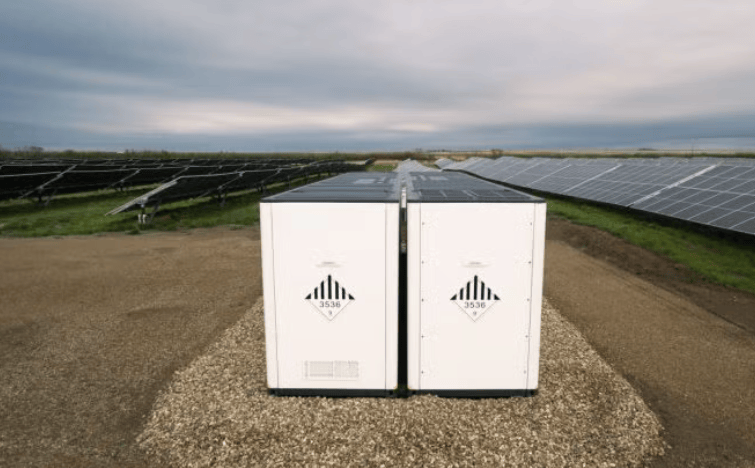
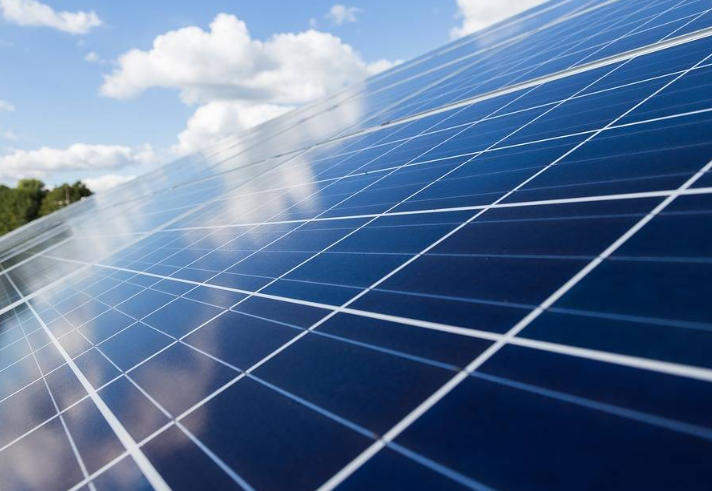
en.Wedoany.com Reported - A Chinese research team has developed a recycling process for waste crystalline silicon photovoltaic modules based on heavy liquid separation and metal chloride etching. The process consists of three main steps: heavy liquid separation of mixed materials, solar cell etching, and ribbon etching. The research team simultaneously conducted a life cycle assessment and techno-economic analysis to evaluate the comprehensive performance of the process.
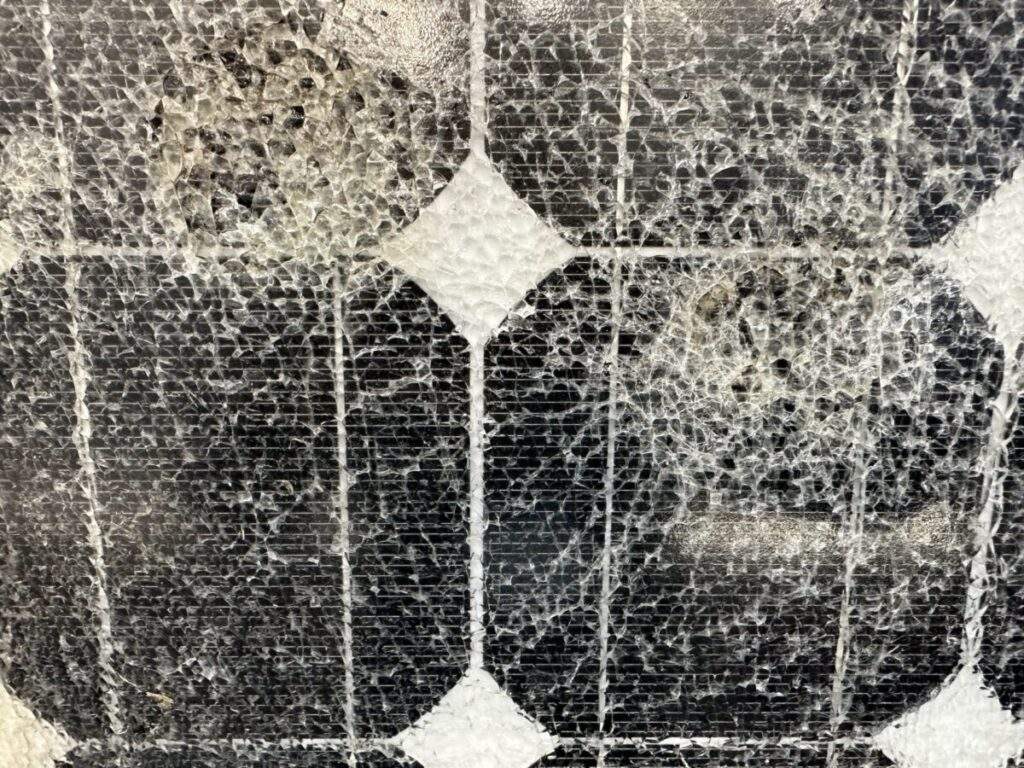
The research team elucidated the core reaction mechanisms involving redox reactions, complexation equilibrium, and hydrolytic precipitation through systematic experiments. The team stated that the selection of green chemical reagents, superior recycling performance, and the potential for closed-loop reagent recovery reduce the process's environmental impact, laying the foundation for its industrial application. The experimental raw materials were a mixture of glass particles, solar cells, and ribbons provided by a recycling company.
In the first stage of the process, zinc bromide heavy liquid is used to separate materials. By adjusting the liquid density, different components are made to float or sink, achieving material stream separation. This stage recovers over 98% of the solar cells and nearly all of the ribbons before subsequent processing. In the second stage, a solution of aluminum chloride hexahydrate and hydrogen peroxide is used to treat the separated solar cells under hot water conditions, removing the silver contact layer, aluminum back layer, and silicon nitride anti-reflective coating while preserving the underlying silicon wafer. After parameter optimization, the optimal conditions are an aluminum chloride hexahydrate concentration of 1.2 mol/L, a hydrogen peroxide concentration of 2.0%, a reaction temperature of 200°C, and a treatment time of 120 minutes. In the third stage, a copper chloride dihydrate solution is used to treat the separated ribbons, which consist of a copper core coated with a lead-tin alloy. The goal is to remove lead and tin while preserving the copper core. The optimal conditions are a copper chloride dihydrate concentration of 0.4 mol/L, a stirring speed of 600 rpm, a time of 15 minutes, and a temperature of 60°C.
The process yields silicon with a purity of 99.997%, silver chloride with a purity of 99.64% (silver recovery efficiency of 80.07%), recovers aluminum from the solution, and copper strips with a purity of 99.99%. The ribbon by-products generate tin oxide and lead sulfate. Additionally, the copper chloride etching solution is successfully regenerated and reused, enhancing process sustainability. A life cycle assessment using 1 kg of input waste as the functional unit shows that the contributions of the heavy liquid separation, solar cell etching, and ribbon etching steps to global warming potential are 0.049 kg CO₂ equivalent, 3.522 kg CO₂ equivalent, and 0.055 kg CO₂ equivalent, respectively. Compared to traditional treatment methods, the process reduces carbon emissions by 80.42%. Techno-economic analysis shows that the recycling benefits for the heavy liquid separation, solar cell treatment, and ribbon treatment steps are -$0.04/kg, $7.76/kg, and $4.81/kg, respectively. The research team attributes the negative benefit of heavy liquid separation to the accounting method, where only the recycling value of glass is credited to this step, while the economic value of the separated solar cells and ribbons is allocated to their respective treatment steps.
This new technology was published in the Journal of Cleaner Production under the title "Sustainable recycling of waste crystalline silicon photovoltaic modules based on heavy liquid separation and metal chloride etching." Researchers from Sun Yat-sen University and China University of Mining and Technology participated in the study.
This article is compiled by Wedoany. All AI citations must indicate the source as "Wedoany". If there is any infringement or other issues, please notify us promptly, and we will modify or delete it accordingly. Email: news@wedoany.com
Related Products

Rated Voltage 6-35kV Cross-linked Polyethylene Insulated Power Cable
TONGDING INTERCONNECTION INFORMATION CO., LTD.
6kV-35kV Medium and High Voltage Direct-Connected Energy Storage System
Hainan Jinpan Smart Technology Co., Ltd.
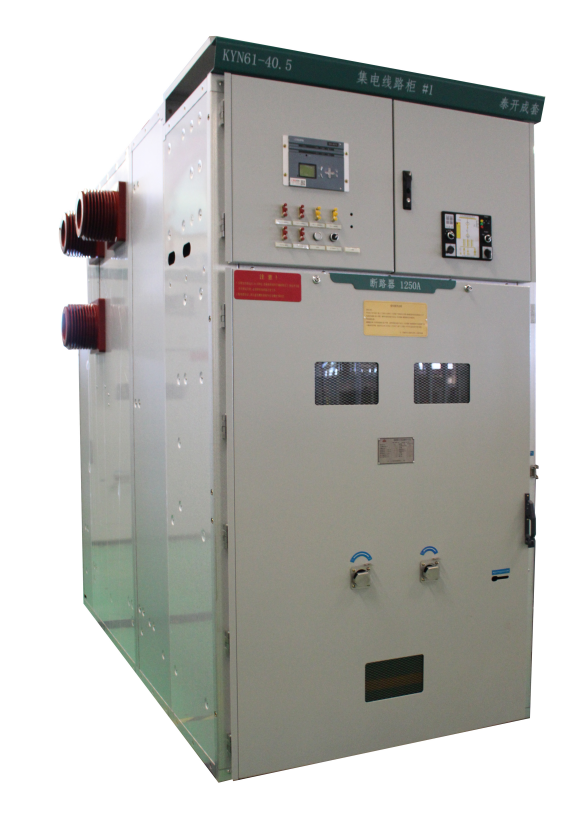

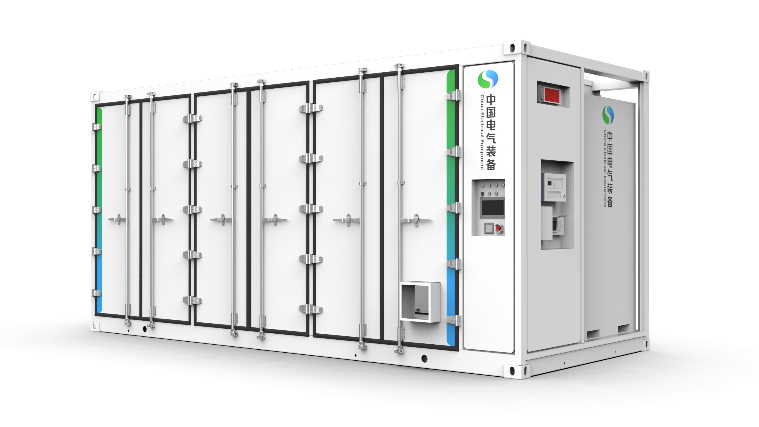
MESS8201-2507/5015-BN Prefabricated Liquid-cooled Energy Storage Battery Container
Xuchang Xuji Electric Science Energy Storage Technology Co., Ltd.
Bidirectional Metal Hard Sealed Seawater Butterfly Valve
Henan Quanshun Flow Control Science & Technology Co., Ltd.