Clemson University Develops Solar-Powered EV Prototype with Over 1,700 Integrated Photovoltaic Cells, Set to Debut at CES 2027
en.Wedoany.com Reported - A student team at Clemson University has developed an electric vehicle prototype named Deep Orange 17 (also known as Luminetta). The vehicle combines photovoltaic power generation with vehicle-wide energy consumption management, aiming to make solar power generation exceed the energy required for actual driving during daily urban commutes.
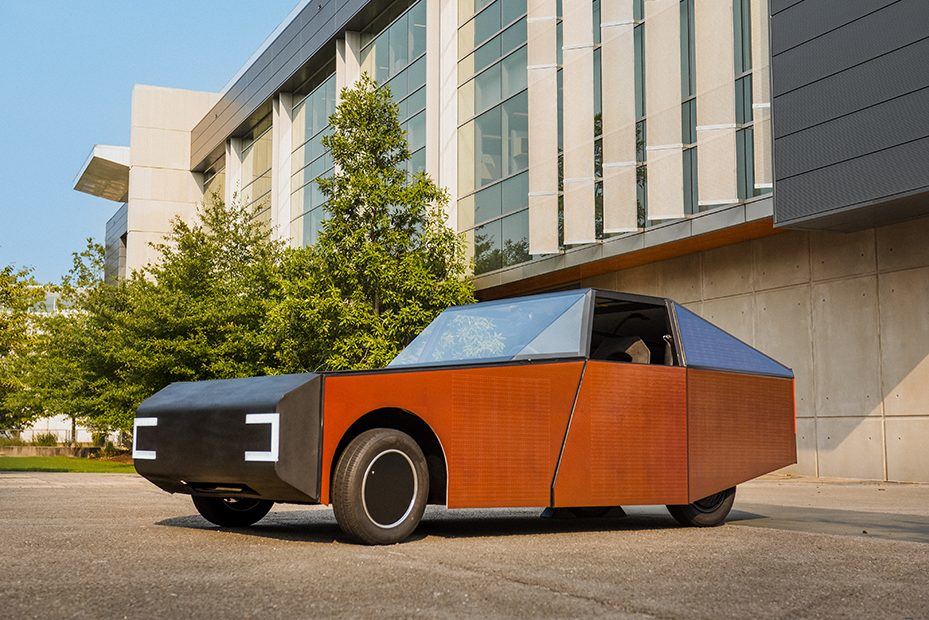
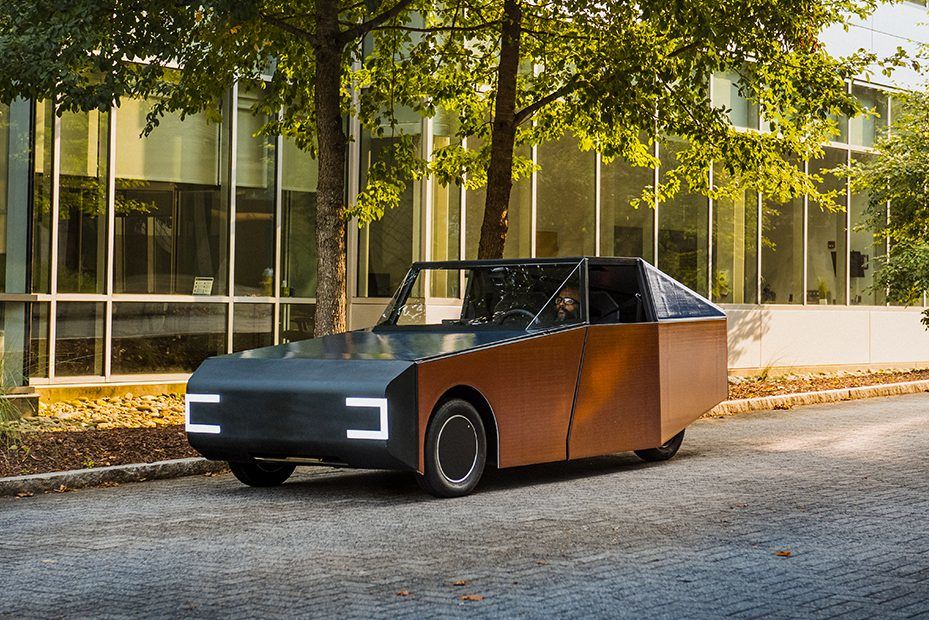
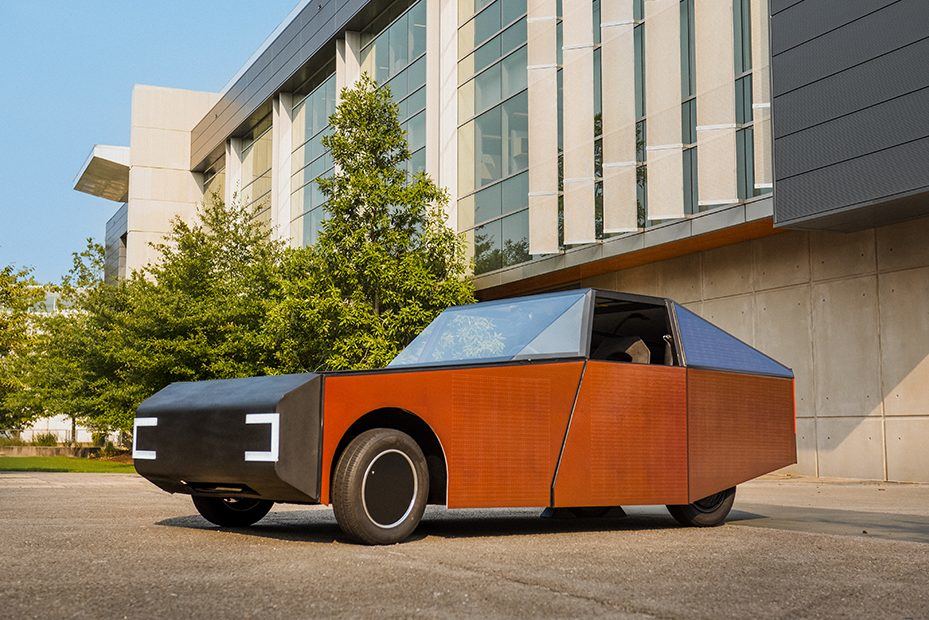
The Deep Orange 17 is a two-door, two-seat coupe developed by 16 students who recently completed their master's degrees in automotive engineering at Clemson University. The project received support from BMW's research and development team and the Fraunhofer Institute for Solar Energy Systems (ISE) in Germany. The vehicle's body surface integrates over 1,700 photovoltaic cells, with a total vehicle weight of approximately 550 kilograms. The body design minimizes aerodynamic drag to make full use of every unit of energy produced.
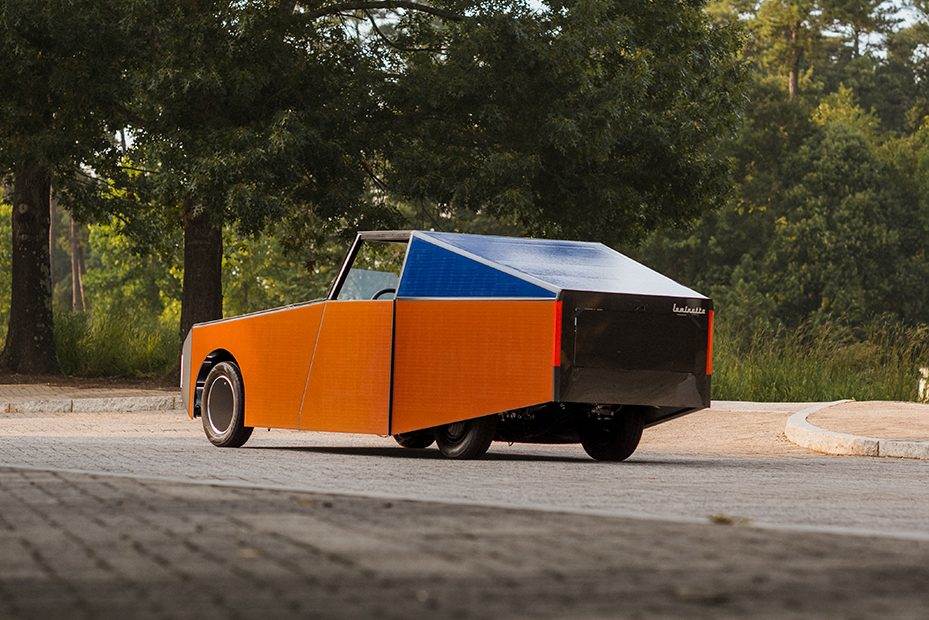
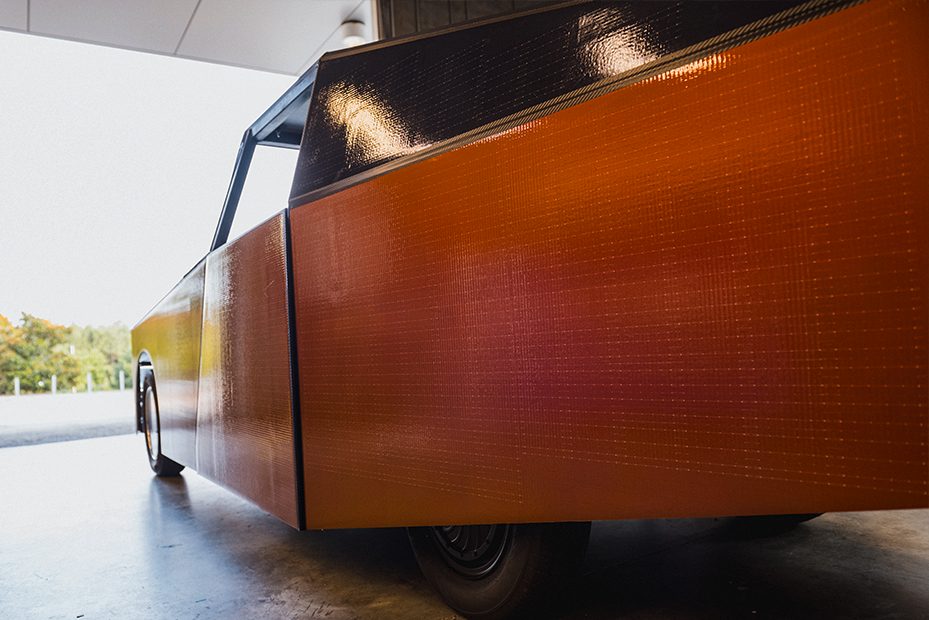
These photovoltaic cells are not a simple auxiliary charging system; they are integrated into the vehicle's exterior surfaces and generate electricity whether the car is parked or in motion. The photovoltaic technology was developed in collaboration with the Fraunhofer Institute for Solar Energy Systems. The cells are protected by an outer film layer, allowing them to continue capturing energy even when certain areas are shaded—a critical feature for vehicles, as their orientation relative to the sun constantly changes.
The research team examined solar radiation conditions at four locations: Greenville, South Carolina; Frankfurt; Madrid; and Mumbai. Simulation results show that, based on a daily commute of approximately 12 miles (about 20 kilometers), the vehicle could, on average, rely on solar energy to gain an additional range equivalent to 31 miles (about 50 kilometers) at these four locations. Actual energy output still depends on available solar radiation, weather conditions, temperature, vehicle parking location, and the duration of sun exposure.
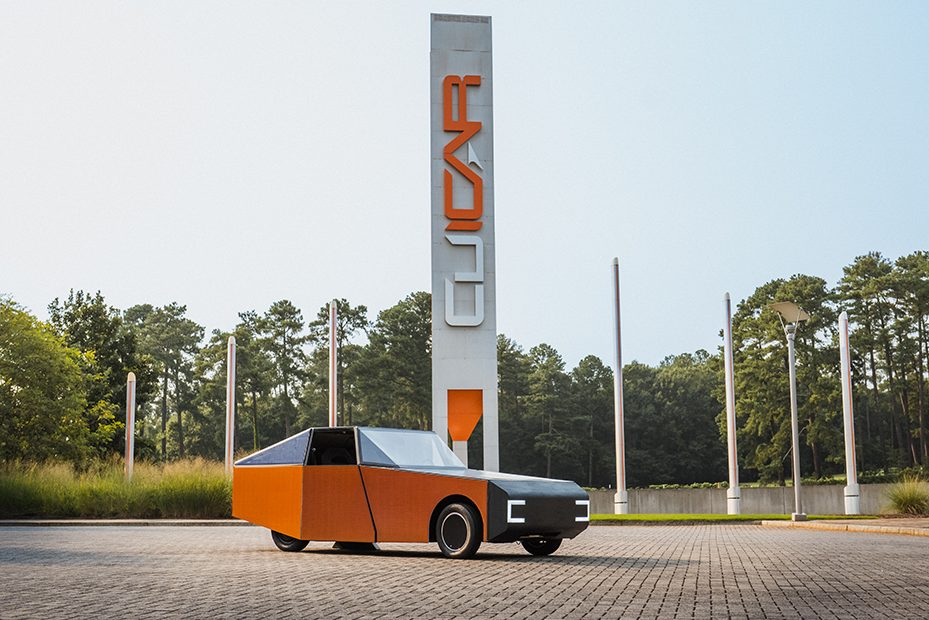
In addition to solar power, reducing driving energy consumption is equally central to this approach. The lightweight structure reduces the energy required for driving, making the effect of photovoltaic power generation more pronounced. The exterior design, inspired by the pufferfish, helps reduce forward drag. The vehicle is also equipped with regenerative braking, intelligent torque management, and optimized power electronics.
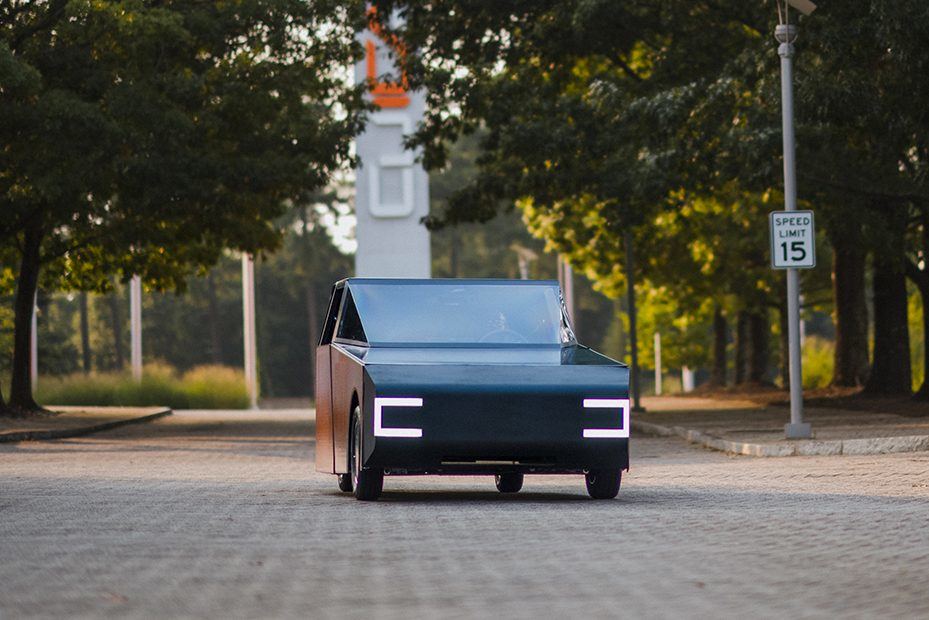
The core logic of this approach is: the less energy a vehicle needs to travel a given distance, the more meaningful the contribution of solar power generation becomes. The Deep Orange 17 is not intended for mass production but is a prototype developed under the Deep Orange project framework. In this project, Clemson University automotive engineering students design and build functional vehicles to explore new mobility solutions. The project began in fall 2024 and covers research areas including solar energy, vehicle efficiency, lightweight materials, and intelligent control systems.
The collaboration with BMW continues the German manufacturer's long-standing partnership with university programs, with the goal of exposing students to issues and technologies that may shape the future of the automotive industry. The prototype will remain at Clemson University's International Center for Automotive Research, where it will continue to be used for research into sustainable mobility technologies.
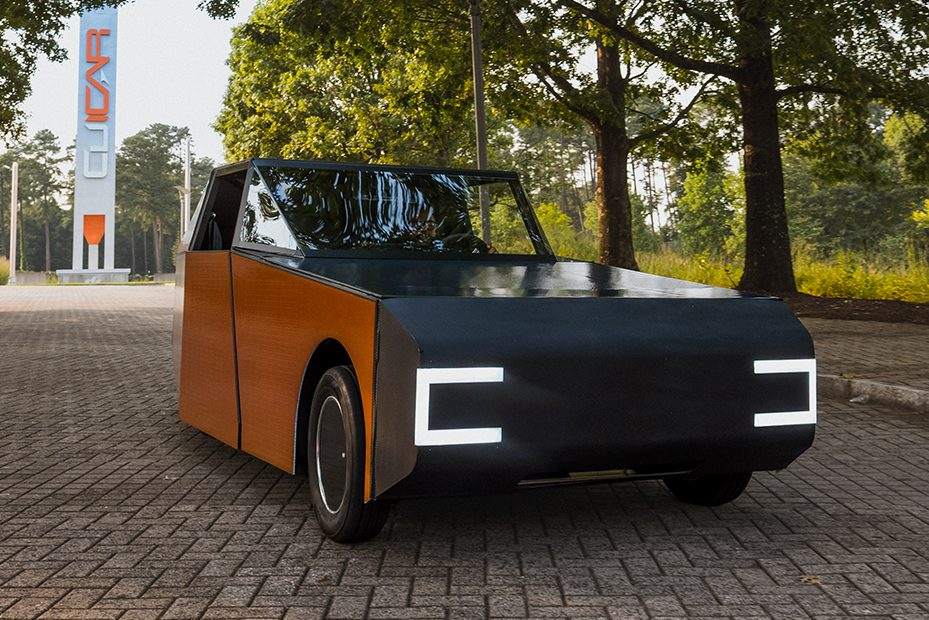
The Deep Orange 17 will also be showcased at CES 2027 in Las Vegas, presenting its solar-powered electric mobility solution to the public.
Related Products


Ultrasonic Wind Speed and Direction Instrument
Kingmach Measurement & Monitoring Technology Co., Ltd.
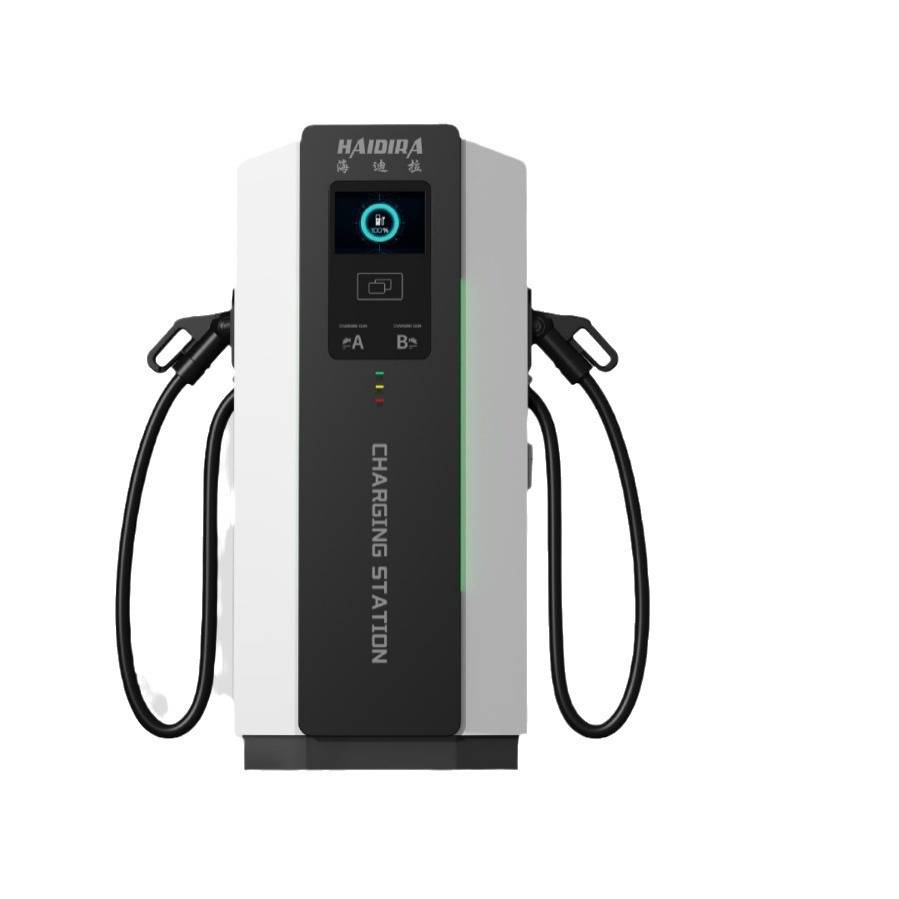
Manufacturer Direct Sales Tesla New Energy Electric Vehicle Universal DC 180kW Dual-gun Charging Pile Commercial Fast Charger
Anhui Haidira Electric Technology Co., Ltd.
Hydrogen Production Technology: Hydrogen Purification by Pressure Swing Adsorption
Chengdu Yizhi Technology Co., Ltd.