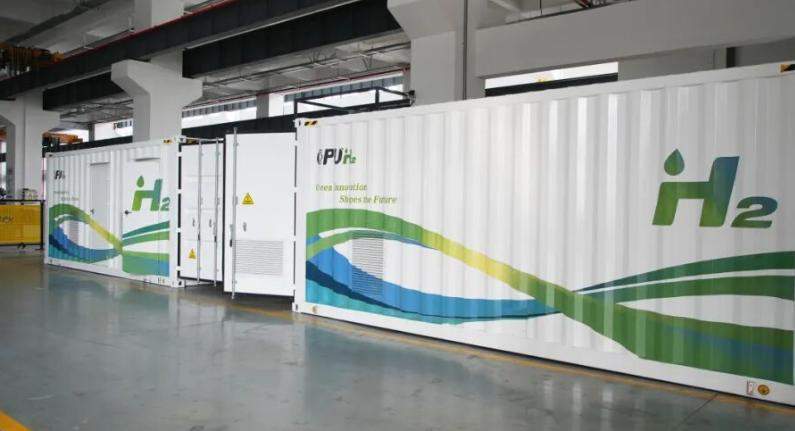
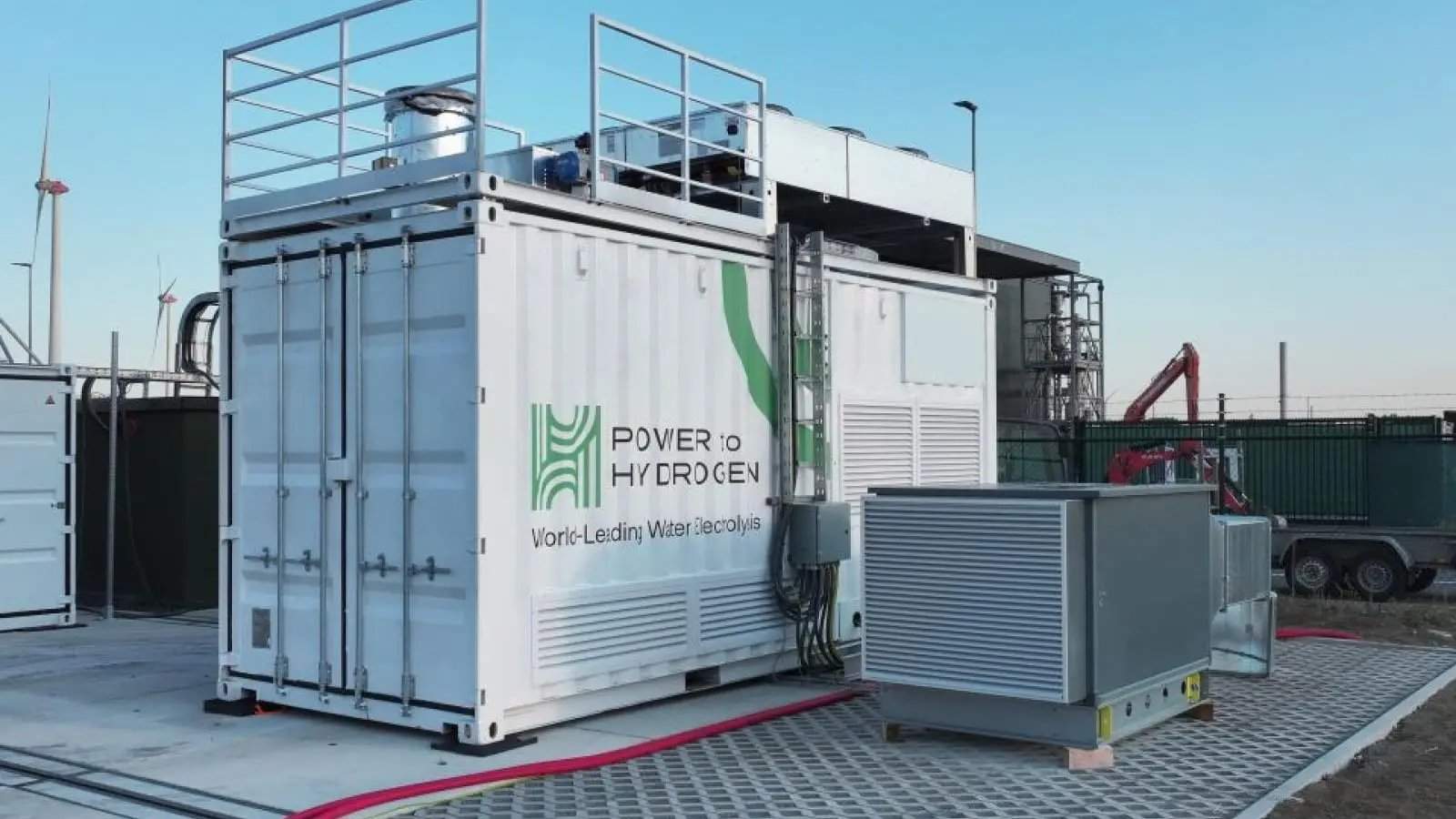
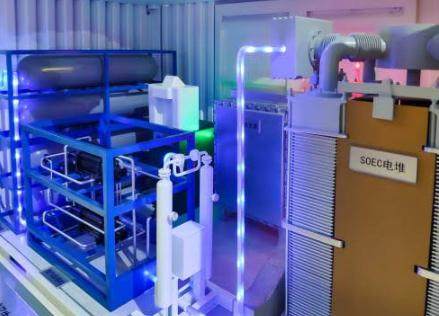
en.Wedoany.com Reported - Brazil's Ministry of Finance has announced the postponement of the first incentive auction for the low-carbon hydrogen industry to 2027. Carlos Colombo, Project Director of the Secretariat for Economic Reform at the Ministry, unveiled the new timeline during an industry event, targeting a public consultation on the competition rules for 18.3 billion reais by November 30, 2026, with the tender notice to be published in January 2027. The auction model design began on May 18, covering pricing methodology, reference prices, and market analysis. The implementing decree underpinning the hydrogen legal framework (Laws No. 14.948 and 14.990) is expected to be published within this month. If this schedule is realized, the first auction will take place during Lula's (Workers' Party) next term, provided he is re-elected.

A 2024 survey by the National Confederation of Industry (CNI) shows potential investments in Brazil's hydrogen sector exceeding 188.7 billion reais. Delays in regulation and the first auction have already postponed final investment decisions. Fernanda Delgado, CEO of the Brazilian Green Hydrogen Industry Association (Abihv), stated that predictability is the primary consideration for investment, and with the decree still unpublished two years after the law's enactment, the association has been pressing for rules and an auction to be held within the year.
The Ministry of Finance envisions the auction for the Low-Carbon Hydrogen Development Program (PHBC) as establishing a "carbon-oriented market mechanism," incorporating indicators such as R$/tCO2 avoided and R$/kgH2 produced to correct a loophole in the law that allows emissions of up to 7 kg of CO2 per kg of hydrogen. This emission level is closer to fossil-based hydrogen (10 kg CO2/kgH2) than to green hydrogen (2-3 kg CO2/kgH2). The Ministry's press office responded that the goal is to complete the auction modeling and conduct a public consultation this year, preparing to decide on the optimal timing for the auction, which could occur in late 2026 or early 2027; outstanding issues in the decree have been resolved, and it is expected to be published soon.
A report by DNV shows that policy stagnation and reversals are the main reasons why forecasts for low-carbon hydrogen expansion by mid-century have been revised down by 45% since 2022. Between 2024 and 2025, total announced projects fell from 50 million tons to 37 million tons. The technology still relies on policy, fiscal support, and carbon prices to bridge the price gap with fossil hydrogen. The report estimates that low-carbon hydrogen production will grow 100-fold, reducing emissions by over 2 billion tons annually by 2060, with 35% of new production and use occurring in China. Currently, the global hydrogen industry is a $240 billion market, producing 100 million tons of fossil hydrogen annually and generating 1.3 billion tons of CO2 emissions.
Sustainable Aviation Fuel Decree "Imminent." Lorena Souza, Director of Biofuels at the Ministry of Mines and Energy (MME), stated that the sustainable aviation fuel decree is expected to be enacted before the elections. Petrobras announced the completion of its first sale of sustainable aviation fuel produced via co-processing of soybean oil and certified under the Carbon Offsetting and Reduction Scheme for International Aviation (CORSIA), bearing a low deforestation risk label—the world's first soybean-based sustainable aviation fuel to receive this certification.
Vale Bets on Biomethane. The mining company views biomethane as a substitute for natural gas in Brazil's pellet production process, and with the EU's Carbon Border Adjustment Mechanism taking effect, it is willing to become an offtaker of biomethane.
Rare Earth Race. The state of Goiás has advanced in developing its own industrial strategy by publishing a decree regulating the state's relevant law. Experts believe the policy design represents a significant effort to enhance competitiveness but may raise questions about the state's scope of action on matters reserved for the federal government.
Energy Planning. The Ministry of Mines and Energy (MME) issued a decree establishing the Permanent Committee for Analysis and Monitoring of the Electricity Market (Copam) and modernizing data collection and processing methods in energy planning, with the executive secretariat to be coordinated by the Energy Research Company (EPE).
Contingency Plans. Alexandre Zucarato, Director of the National Electric System Operator (ONS), believes that generation curtailment events due to electricity oversupply will become more frequent in the coming years, driven by the growth of centralized and distributed renewable generation.
El Niño Response Strategy. Given the risk of a potential El Niño event, the National Electric System Operator (ONS) is adopting preventive strategies to protect strategic reservoirs in southern Brazil and the Itaipu hydroelectric plant.
Just Transition. According to a recently launched platform by Iema, renewable energy projects in remote communities of the Pan-Amazon region over the past decade have benefited 70,000 people, helping replace over 1 million liters of fossil fuel consumption, with transport electrification alone avoiding 200,000 liters of petroleum derivative consumption.
Petrobras Autonomy and Income Plan opens free spots for technical training courses in the oil and gas industry in Rio de Janeiro, totaling 210 spots in metallurgy, welding, and mechanics courses, with opportunities targeting socioeconomically disadvantaged groups.
This article is compiled by Wedoany. All AI citations must indicate the source as "Wedoany". If there is any infringement or other issues, please notify us promptly, and we will modify or delete it accordingly. Email: news@wedoany.com
Related Products
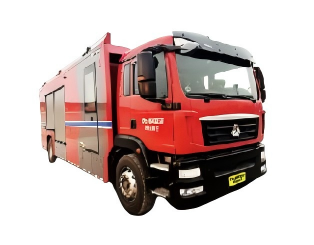

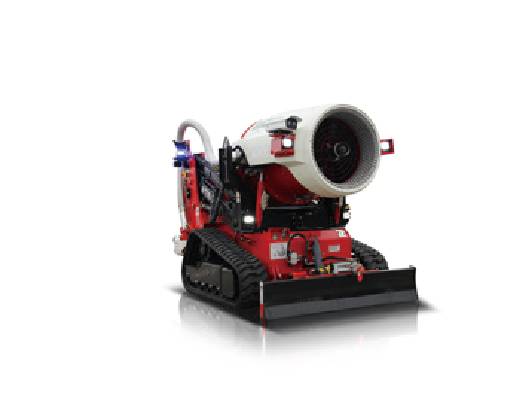
Modular Multifunctional Water Supply and Drainage Vehicle (18T)
Changsha Dewater Machinery Technology Co., Ltd.
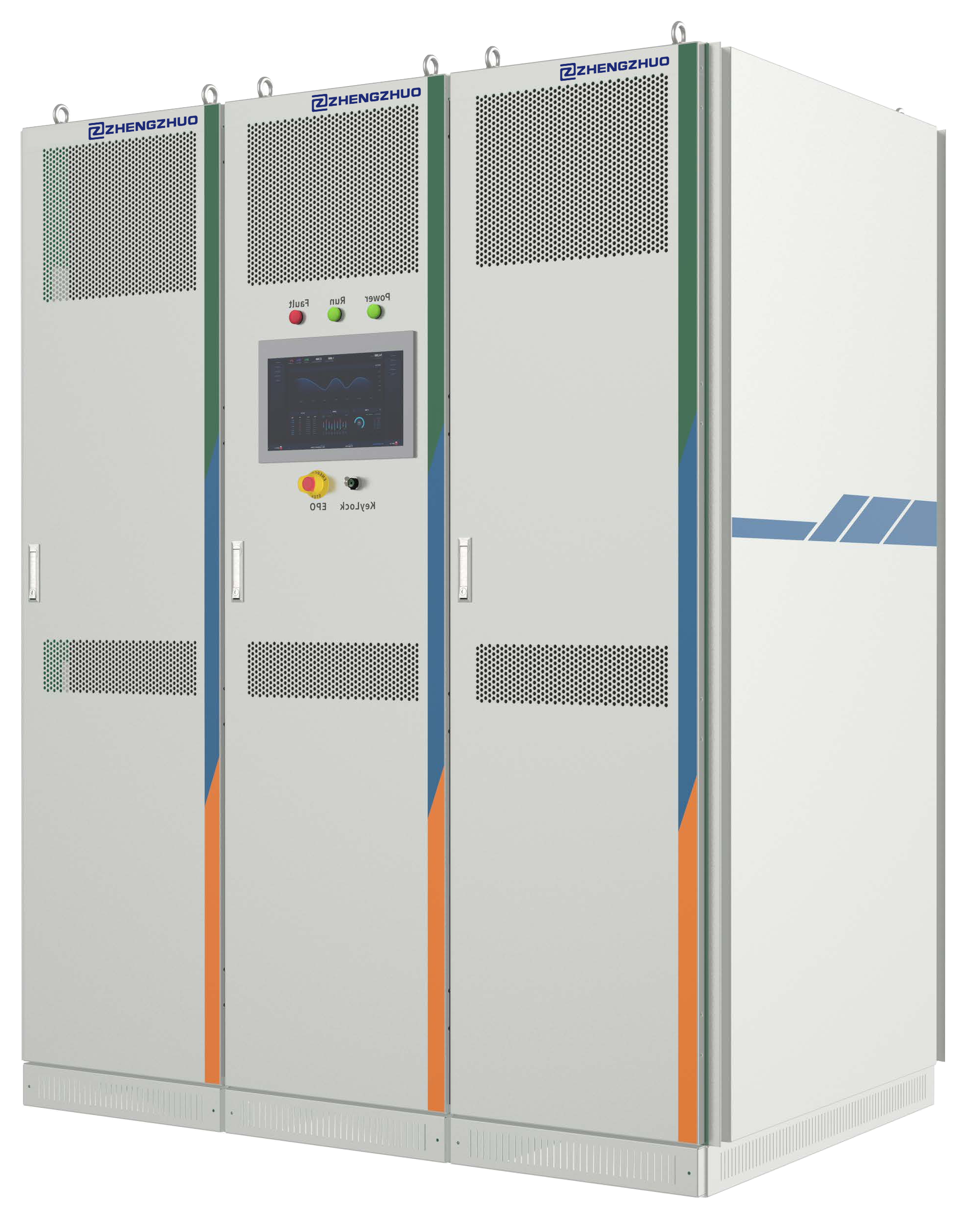
IGBT Hydrogen Production Power Supply - High Power Air Cooling
Beijing Zhengzhuo Engineering Technology Co., Ltd.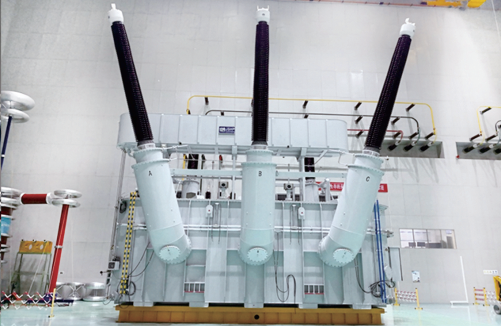

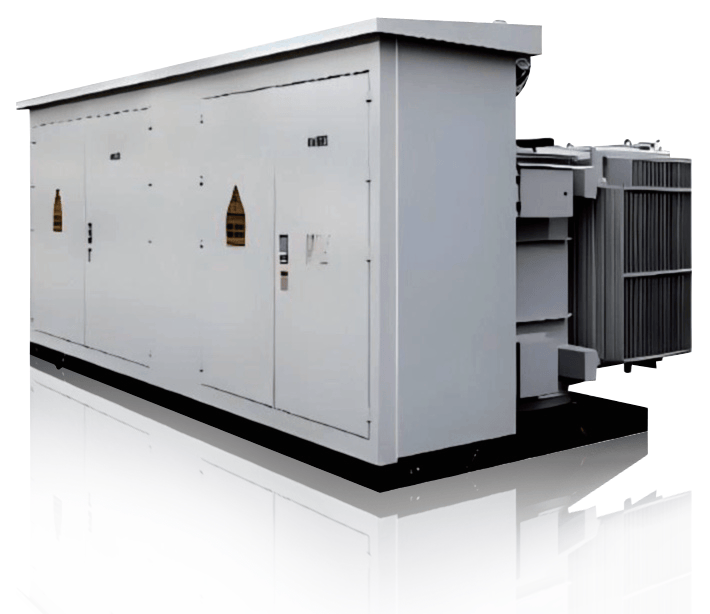
H-40.5/0.4~1.14kV New Energy Power Generation Dedicated High Voltage/Low Voltage Prefabricated Substation
XJ (Xiamen) Intelligent Power Equipment Co., Ltd.
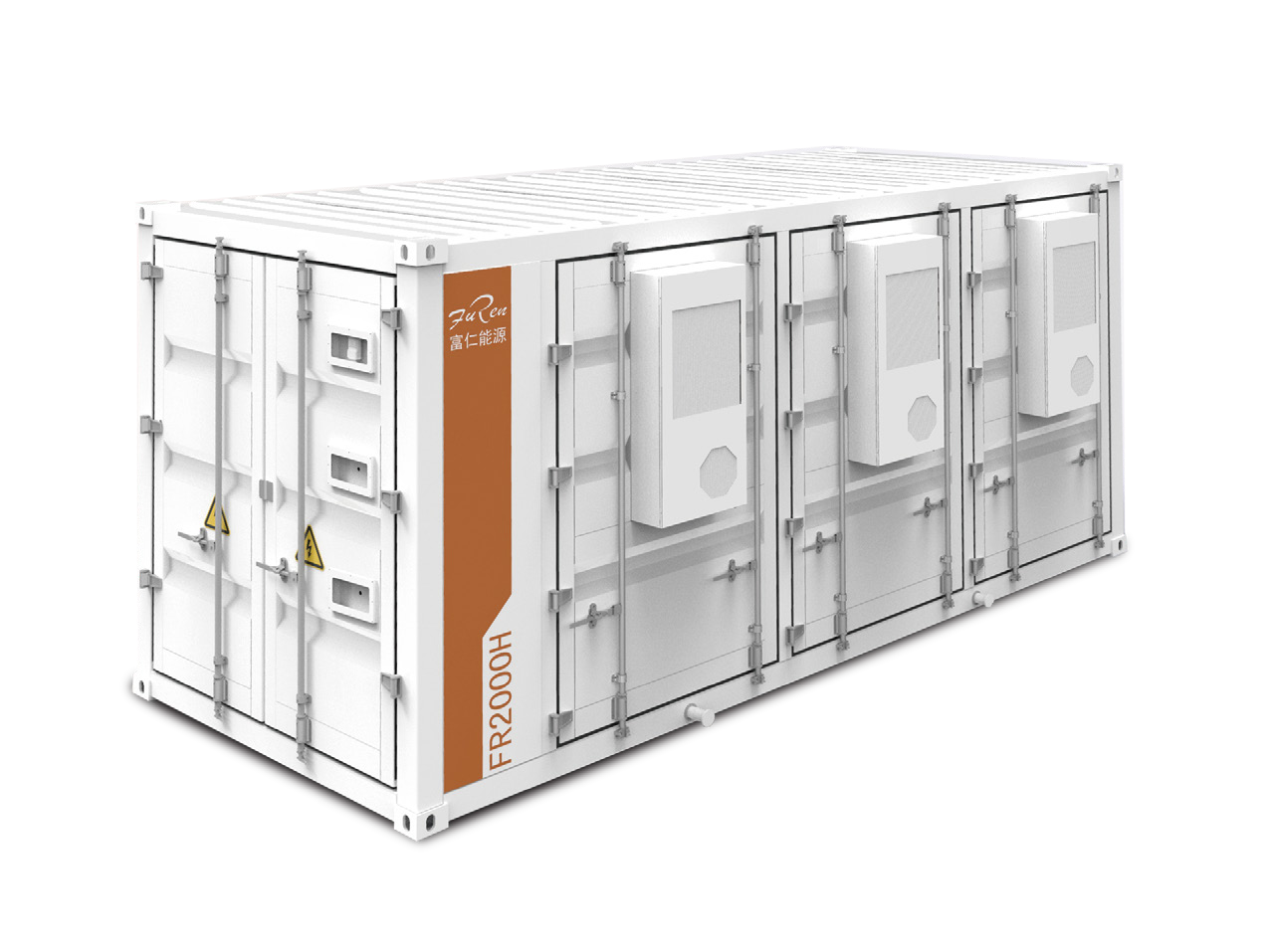
FR2000H 2.15MWh (Air-cooled) 20-foot Containerized Energy Storage System
Jiangyin Furen High-tech Co., Ltd.