China's renewable hydrogen production capacity exceeds 1.4 million tonnes
en.Wedoany.com Reported - On August 11, the National Energy Administration released the "China Hydrogen Energy Development Report (2026)" on its website. As of the end of June 2026, the combined annual production capacity of completed and under-construction renewable hydrogen projects, primarily based on water electrolysis, exceeded 1.4 million tonnes. The country had built approximately 620 hydrogen refueling stations in total, with over 350 kilometers of pure hydrogen pipelines completed and operational.
The report, jointly compiled by the Department of Energy Conservation and Technology Equipment of the National Energy Administration, the Department of Innovation and High-Tech Development of the National Development and Reform Commission, and Guoneng Hydrogen Innovation Technology Co., Ltd., systematically reviews the development of the hydrogen energy industry at home and abroad in 2025. By the end of 2025, China's annual hydrogen production capacity exceeded 51 million tonnes, up approximately 1.4% year-on-year; annual hydrogen output surpassed 39 million tonnes, up approximately 7.3% year-on-year. Coal-based hydrogen, natural gas-based hydrogen, and industrial by-product hydrogen remained the primary sources of supply.
Renewable hydrogen projects are advancing from small-scale pilots to large-scale construction. By the end of 2025, the combined annual production capacity of completed and under-construction renewable hydrogen projects nationwide exceeded 1 million tonnes, of which the completed and operational capacity surpassed 250,000 tonnes, more than doubling compared to the end of 2024; the capacity under construction exceeded 900,000 tonnes. By the end of June 2026, the combined annual capacity of both categories had exceeded 1.4 million tonnes.
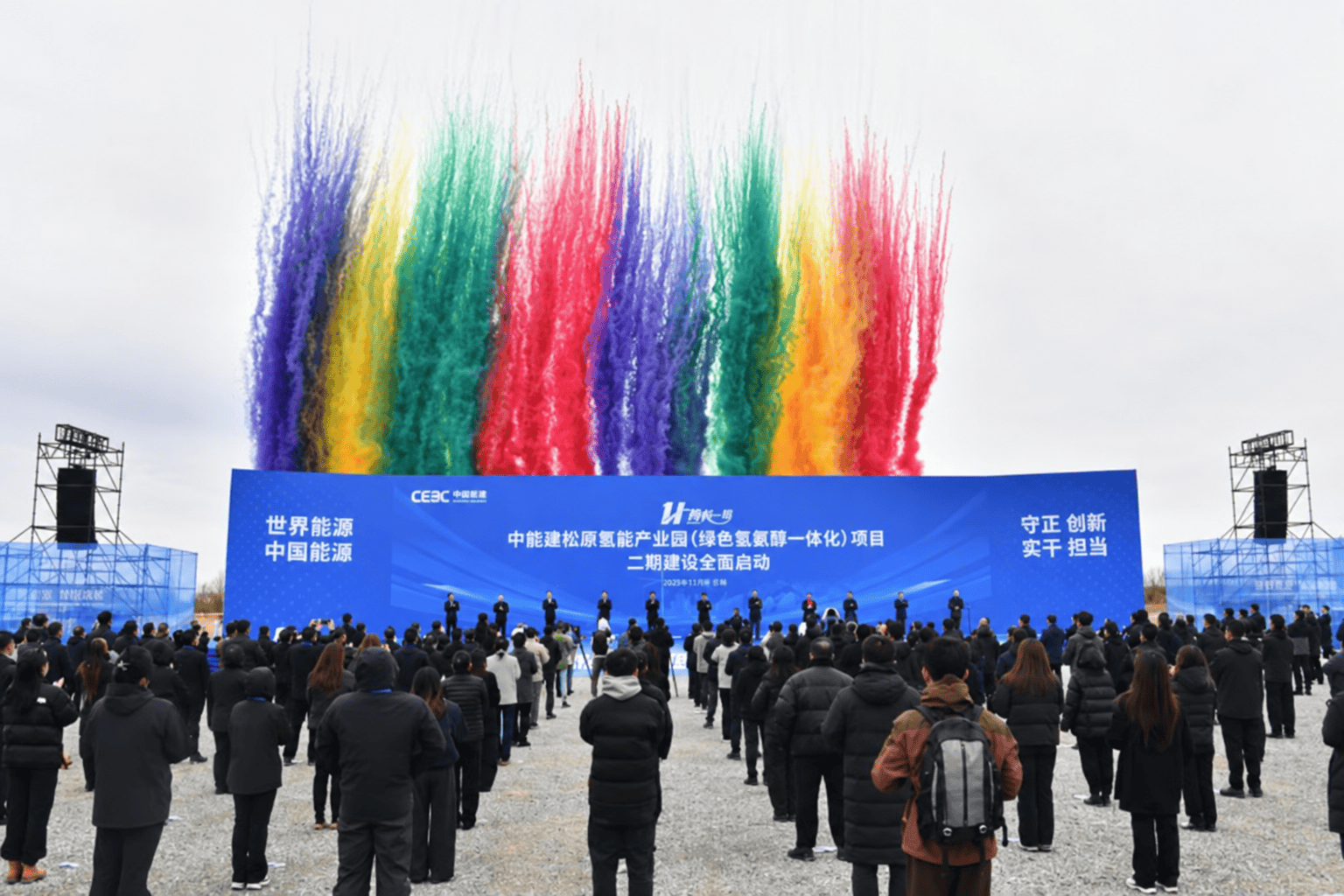
The operational renewable water-electrolysis hydrogen production capacity is mainly distributed in Northeast, North, and Northwest China, accounting for 46%, 30%, and 22% respectively by the end of 2025. Jilin and Inner Mongolia each had completed capacity exceeding 90,000 tonnes and 80,000 tonnes, respectively. Nationwide, eight 10,000-tonne-scale projects were in operation, with the average annual capacity of under-construction projects at approximately 13,000 tonnes and projects at or above the 10,000-tonne scale accounting for 38%. Multiple projects at or above the 50,000-tonne scale had entered the construction phase in Jilin, Xinjiang, and Inner Mongolia.
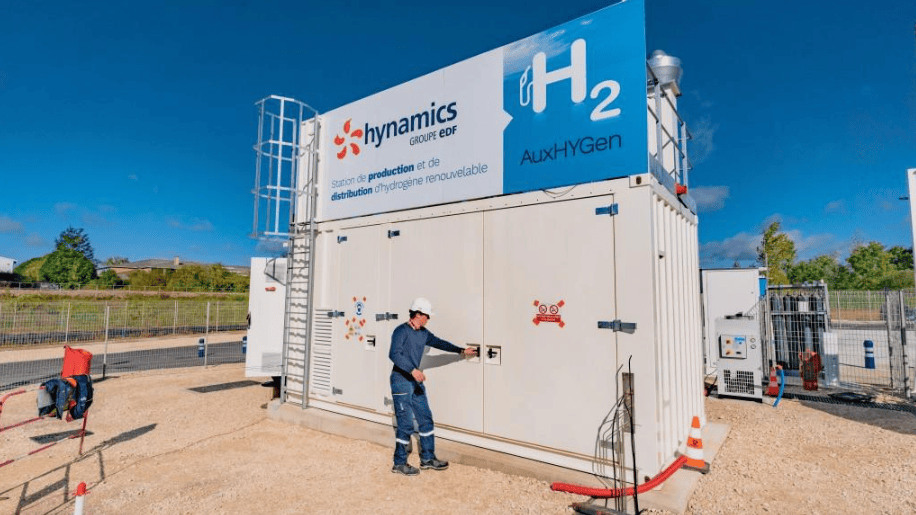
In terms of storage and transportation infrastructure, by the end of 2025, more than 20 hydrogen liquefaction projects were planned nationwide, with a combined capacity of approximately 300 tonnes per day, of which 11 projects were already operational, with a combined capacity of about 60 tonnes per day. More than 20 long-distance pure hydrogen pipelines were planned nationwide, with a total length exceeding 5,500 kilometers; over 70 commercial hydrogen supply centers had been established in multiple regions. The number of hydrogen refueling stations increased from over 590 at the end of 2025 to approximately 620 by the end of June 2026.
In downstream applications, by the end of 2025, the annual production capacity of completed and operational green ammonia and green methanol nationwide reached 700,000 tonnes and 380,000 tonnes, respectively. Six ports, including Shanghai, Tianjin, and Dalian, had been equipped with green ammonia or green methanol bunkering capabilities, with cumulative annual bunkering volume exceeding 30,000 tonnes. During the same period, the average price on the hydrogen production side nationwide was 26.2 yuan/kg, and the average price on the consumption side was 44.5 yuan/kg, down 6.7% and 8.4% year-on-year, respectively.
The National Energy Administration stated that in the next phase, it will study and formulate an implementation plan for the development of the hydrogen energy industry, laying out renewable hydrogen production and integrated hydrogen-ammonia-methanol projects in regions with favorable wind and solar resources, biomass, and water resource conditions, while building medium- and short-distance pure hydrogen pipeline storage and transportation networks around green electricity-based hydrogen production bases, industrial parks, and ports along rivers and coasts.