2028: Stadler and ARST Launch Narrow-Gauge Hydrogen Train in Italy
en.Wedoany.com Reported - Swiss railway vehicle manufacturer Stadler and Italian Sardinian regional transport company ARST (Trasporti Regionali della Sardegna) jointly unveiled the world's first hydrogen-powered train designed specifically for narrow-gauge lines at the commissioning center in Erlen, Switzerland. The train is scheduled to enter passenger service on the narrow-gauge network operated by ARST from 2028, connecting routes such as Alghero Airport to Mamuntanas, Sassari to Alghero, and Sassari to Sorso.
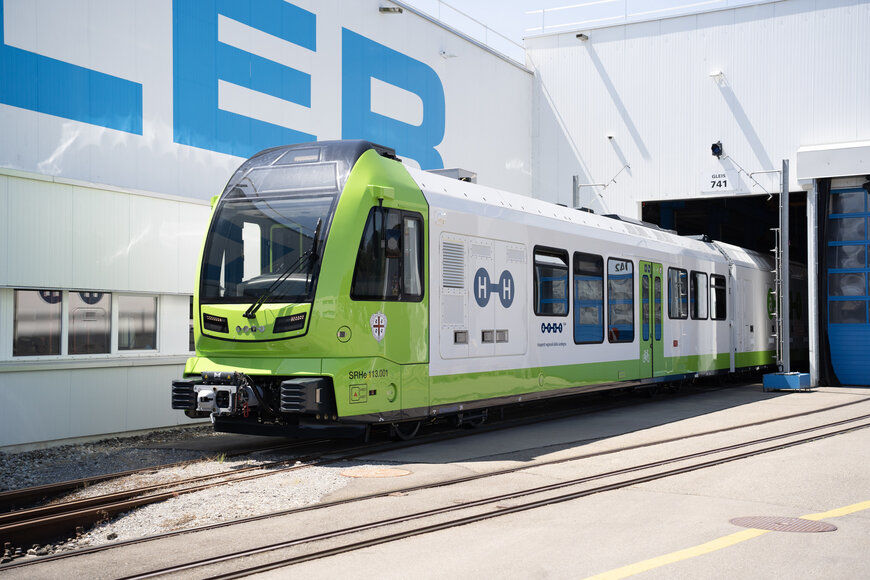
The train's propulsion system consists of an integrated hydrogen fuel cell and hydrogen storage tank assembly. The power generation hardware is installed in a dedicated central car module called the "Power Pack." This system acts as a mobile battery charger, continuously converting stored hydrogen into electrical energy to power the main traction motors and charge the onboard traction battery pack, enabling the vehicle to operate on non-electrified tracks without overhead catenary wires. The hydrogen required for refueling infrastructure comes from a production plant powered entirely by a 100% solar photovoltaic array. According to the order of ten trains placed by ARST, these hydrogen-powered units will replace conventional diesel locomotives, reducing carbon dioxide emissions by more than 2,100 tons annually.
To accommodate the low axle load limits of Italy's narrow-gauge infrastructure, the vehicle platform features a narrow profile constructed with advanced lightweight materials. The interior includes low-floor entrances to facilitate boarding for passengers with reduced mobility, and is equipped with panoramic windows, automatic climate control systems, and minimized structural vibration levels compared to diesel trains. The driver's cab provides crew members with a separate entrance door and an independent air conditioning system. The train sets will undergo on-site validation and structural testing before formal commercial operation to meet safety standards set by the Italian National Agency for Railway, Road, and Highway Infrastructure Safety (ANSFISA).
This delivery stems from a framework agreement signed between ARST and Stadler in 2023, covering a total of ten trains for the Sardinian regional network. The modernization plan is supported by the Italian government and the Ministry of Infrastructure and Transport, aiming to systematically decarbonize the national railway corridors. The hydrogen power technology developed by Stadler has also been adopted by other regional operators, with production backlog orders at its manufacturing headquarters in Bussnang, Switzerland, including nine narrow-gauge hydrogen units for Ferrovie della Calabria (FdC) and two units for the Ferrovia Circumetnea (FCE) network in Sicily.
This article is compiled by Wedoany. All AI citations must indicate the source as "Wedoany". If there is any infringement or other issues, please notify us promptly, and we will modify or delete it accordingly. Email: news@wedoany.com
Related Products
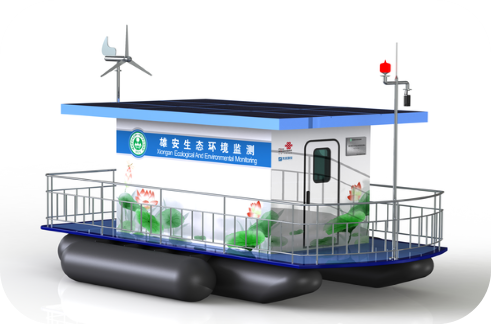

Floating Boat Water Quality Automatic Monitoring System
Hebei Sailhero Environmental Protection High-tech Co., Ltd.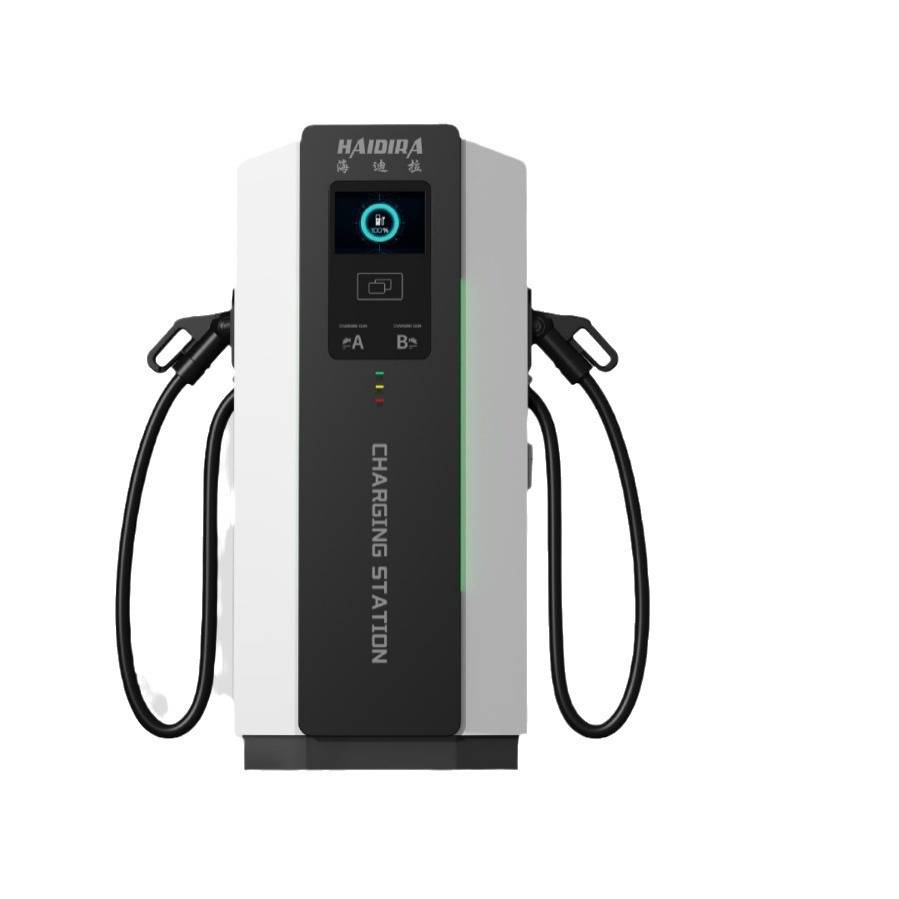
Manufacturer Direct Sales Tesla New Energy Electric Vehicle Universal DC 180kW Dual-gun Charging Pile Commercial Fast Charger
Anhui Haidira Electric Technology Co., Ltd.

Off-Grid Fuel Cell Supercharging Station (180kW Configuration)
Shanghai REFIRE Group Limited
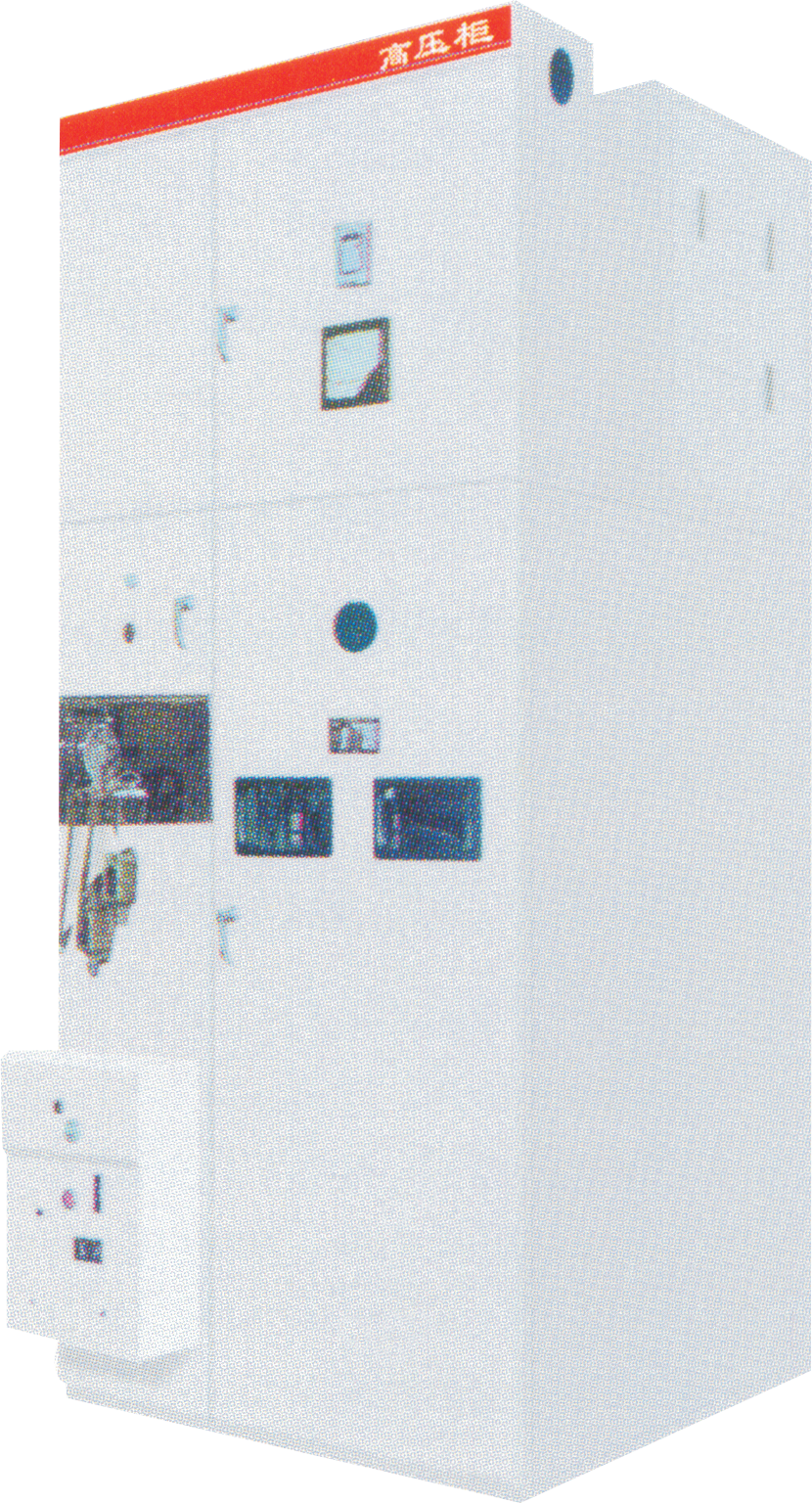
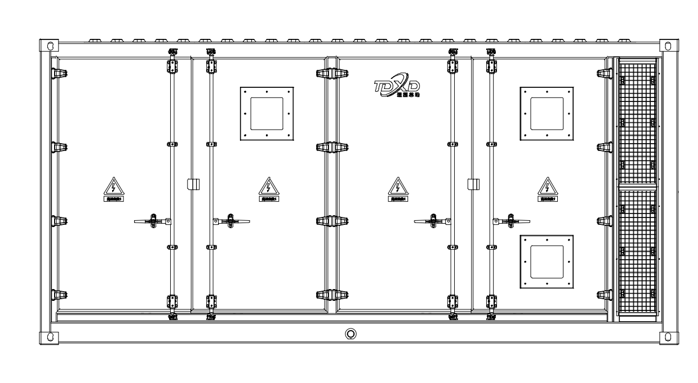
5012kWh DC Energy Storage System TD-EES-5012kWh
Suzhou Tongding Xindong Energy Storage Technology Co., Ltd.
CAP1400 main feedwater flow nozzle flowmeter.
Jiangsu Hongda Instrument Technology Co., LTD.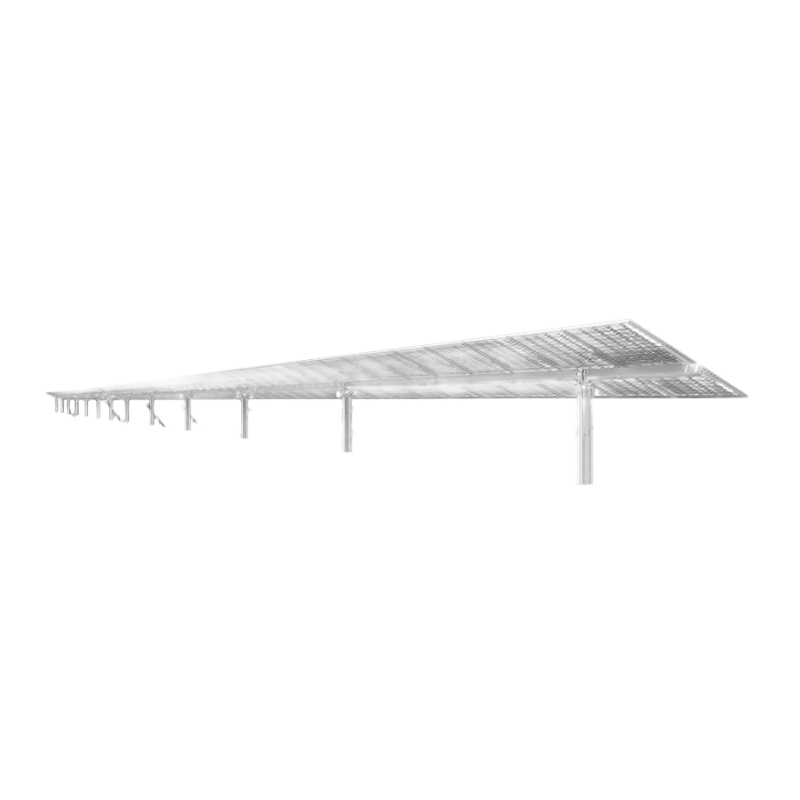
TAI Slew-drive Single-axis Independent 1P Tracking Bracket System
ANTAI TECHNOLOGY CO., LTD.