About 25% of Home Battery Installations in Australia Come from Upgrades of Customers with Expired Contracts
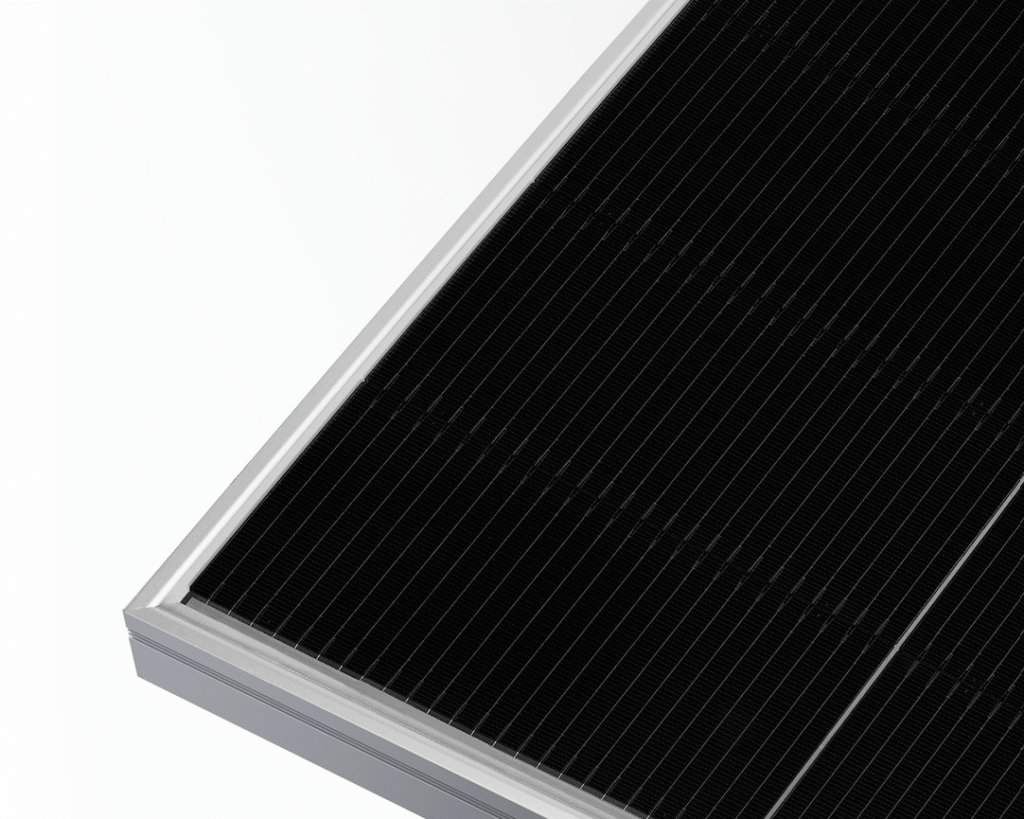
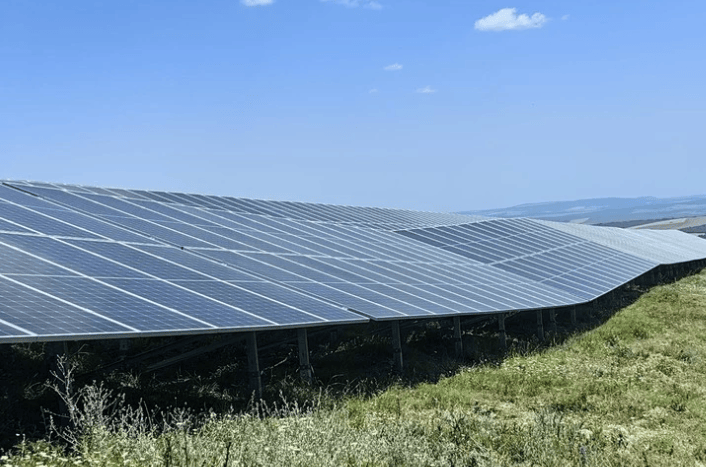
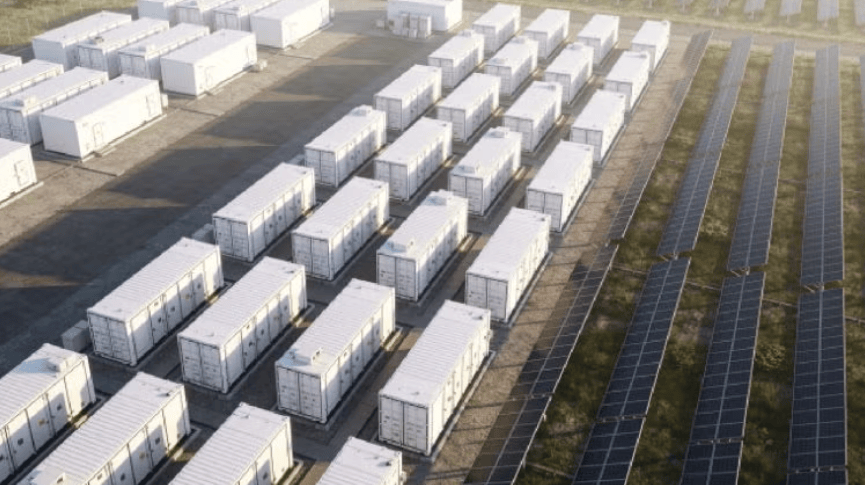
en.Wedoany.com Reported - About 25% of home battery installations in Australia come from returning solar customers, whose families, after the expiration of early premium feed-in tariff contracts, are upgrading their old small systems (originally 1.5 to 3 kW) to larger solar and battery combinations. According to data from the Clean Energy Regulator, the typical configuration is now a 10 to 13 kW solar system paired with a 20 kWh battery.
Between 2009 and 2013, Australian state governments promoted rooftop solar adoption through premium feed-in tariffs. Victoria and New South Wales offered 60 Australian cents per kWh for exported electricity, Queensland and South Australia offered 44 cents, and the Australian Capital Territory offered 47.5 cents. Most of these contracts have expired, with Victoria's program ending on November 1, 2024, New South Wales' ending in December 2016, and most Queensland contracts also expired. These households now export electricity to the grid at 3 to 5 Australian cents per kWh. The original system design aimed to generate as much electricity as possible and export it all to earn premiums, where small 1.5 to 3 kW systems could achieve significant financial returns.
For households in South Australia and the Australian Capital Territory still enjoying premium feed-in tariffs, upgrading the system may result in complete disqualification. Some South Australian households are on a 44-cent tariff until June 30, 2028, and some Australian Capital Territory households enjoy a 47.5-cent tariff until 2031. These households need to confirm with their retailer the definition of system modifications under the feed-in tariff agreement before making changes. For some, waiting for the contract to expire may be a better financial decision.
The economic logic of the original system has completely reversed. Currently, the average Australian household pays 30 to 35 Australian cents per kWh to purchase electricity from the grid, while the feed-in tariff is only 3 to 5 cents. Using solar energy internally saves 30 to 35 cents per kWh, while exporting yields only a small fraction. Meanwhile, inverters installed 12 to 15 years ago are nearing the end of their lifespan, and solar panels degrade by about 1% annually, meaning a 2010 system now outputs about 85% of its original rated capacity. The system size (typically 1.5 to 3 kW) was never designed to cover a household's full electricity needs.
Current upgrade options offer high cost-effectiveness. A standard 6.6 kW system installed in 2026 can save 1,200 to 1,900 Australian dollars annually by reducing grid purchases. Federal STC subsidies apply to new panel installations, saving 1,500 to 2,000 Australian dollars upfront for a 6.6 kW system and 2,000 to 3,000 Australian dollars for a 10 kW system. The STC recognition period decreased from 6 years to 5 years on January 1, 2026, meaning the same system receives about 500 to 600 Australian dollars less in subsidies compared to 2025. The federal "Cheaper Home Batteries" program provides approximately 244 Australian dollars per kWh for the first 14 kWh of battery capacity, reducing upfront costs by about 30%. According to the Clean Energy Regulator, the "optimal capacity point" for Australian home batteries is 20 to 30 kWh, covering most household evening electricity use during peak pricing hours from 4 PM to 9 PM. For households on time-of-use tariffs, batteries can effectively recover costs. In comprehensive cases, after receiving STC and battery subsidies, a 10 to 13 kW solar system paired with a 20 kWh battery can significantly reduce electricity bills and provide evening peak protection, yielding total returns of 30,000 to 50,000 Australian dollars over 20 years through avoided energy costs. Additionally, solar and battery systems can increase home resale value.
Since the early 2020s, panel prices have continued to decline, system quality has improved, and inverter technology has become more powerful. Battery subsidies offer about a 30% discount on products that were not at viable residential price points three years ago. STC subsidies decrease on a fixed schedule, having been reduced in early 2026 and set to decrease again in early 2027, while battery subsidies also decrease every six months. In the current electricity market, the cost of sticking with old small systems quietly accumulates. A 2 kW system exports electricity at 3 cents, while households purchase electricity at 30 to 35 cents in the evening, creating a widening gap.
This article is compiled by Wedoany. All AI citations must indicate the source as "Wedoany". If there is any infringement or other issues, please notify us promptly, and we will modify or delete it accordingly. Email: news@wedoany.com
Related Products

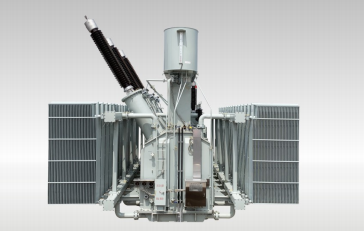
220kV and Below Voltage Level Energy-saving Oil-immersed Power Transformers
FuZhou TianYu Electric Co., Ltd.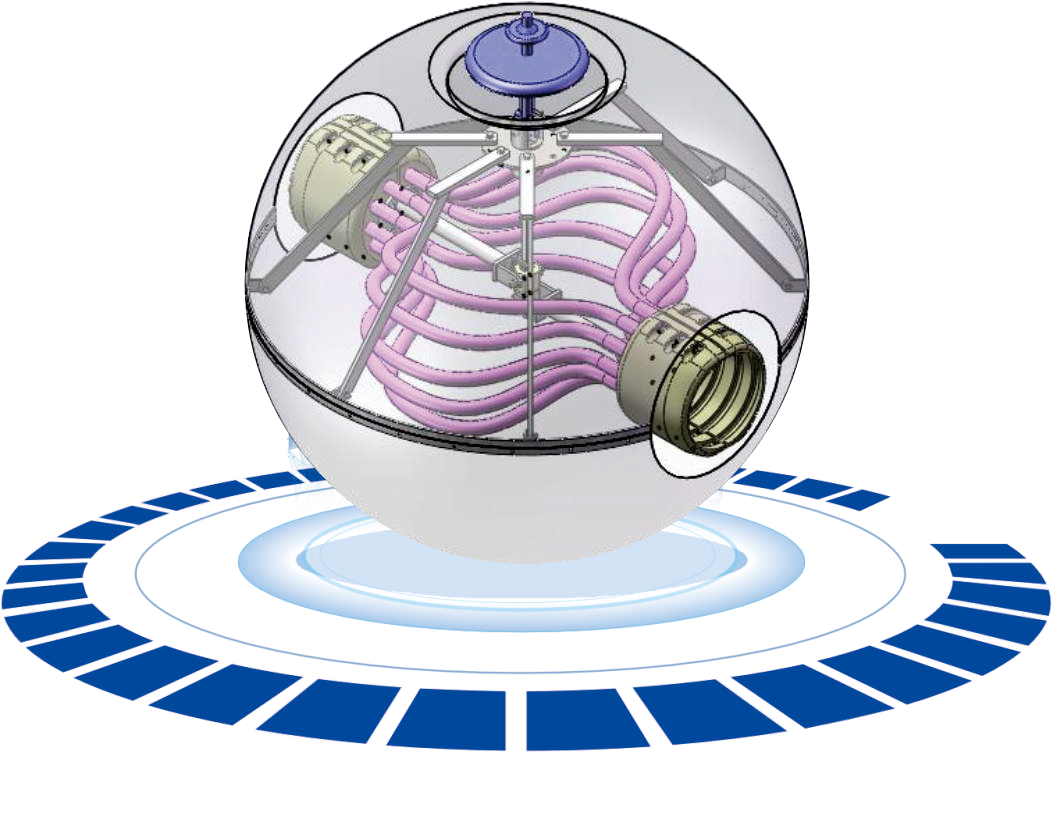
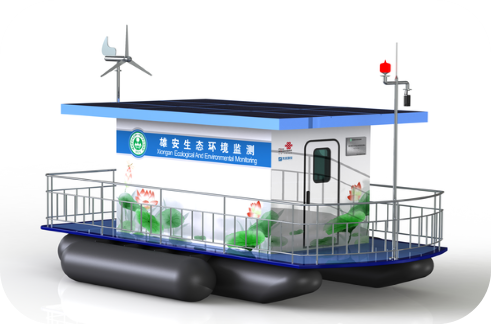
Floating Boat Water Quality Automatic Monitoring System
Hebei Sailhero Environmental Protection High-tech Co., Ltd.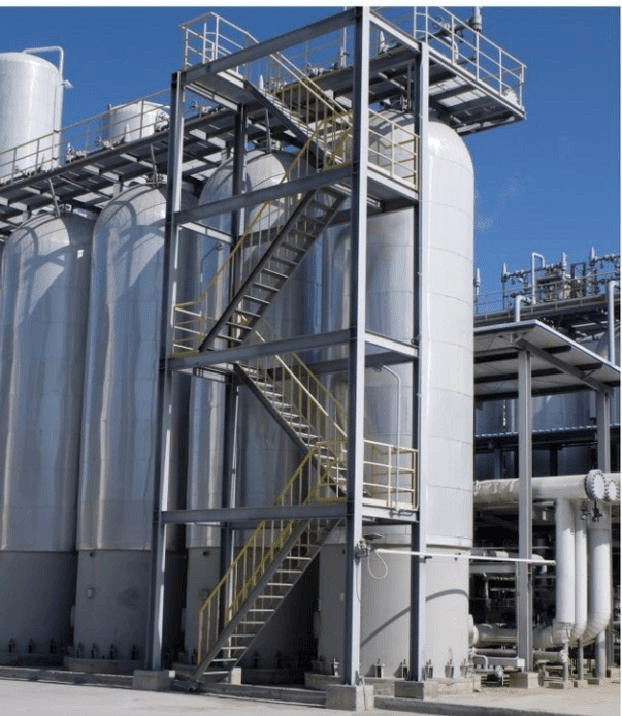
Hydrogen Production Technology: Hydrogen Purification by Pressure Swing Adsorption
Chengdu Yizhi Technology Co., Ltd.
Perfluorinated Ionic Membrane-CM-10N Series Membrane
Guizhou Juneng Century Technology Co., Ltd